







5 Ways AI Can Answer Your Business Questions Instantly
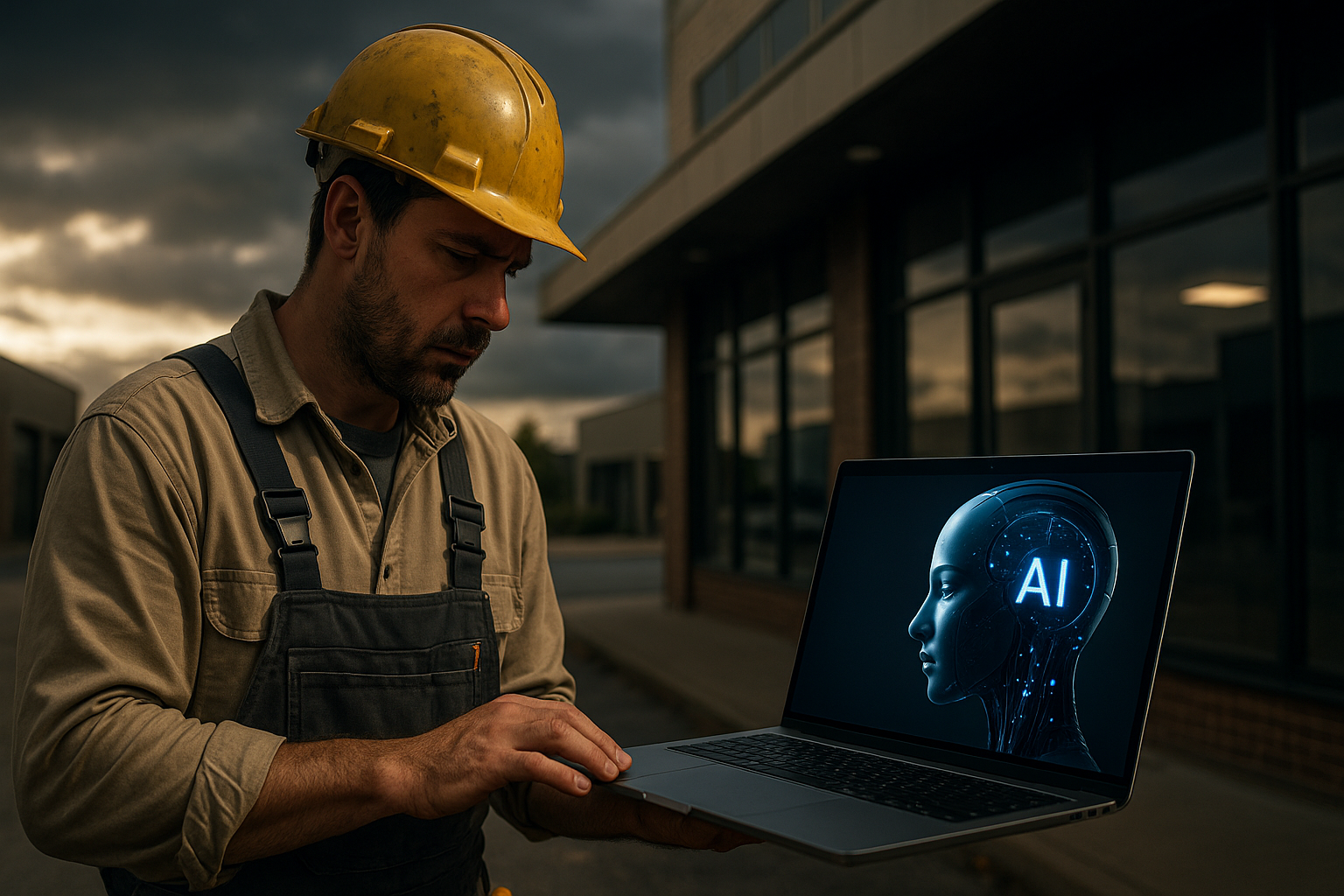
Artificial intelligence has rapidly transformed the way businesses operate, serving as a powerful tool for various functions and elevating the efficiency of operations across industries. AI can be likened to a business assistant that helps professionals, including tradesmen, streamline their workflows, manage tasks, and make informed decisions. By harnessing machine learning algorithms, AI applications analyze large volumes of data at unprecedented speeds, allowing companies to gain valuable insights that were previously difficult to obtain. This capability enables organizations to respond to market changes swiftly and adapt their strategies accordingly. Moreover, AI systems can handle repetitive tasks, freeing up human resources to focus on more strategic initiatives, thereby enhancing overall productivity. As businesses increasingly adopt AI technologies, the role of AI in business will continue to expand, fundamentally altering traditional operational paradigms.
New in this topic: How Groundworkers Track Multiple Site Operations.
Instant Data Analysis
With the advent of AI technologies, data analysis has reached new heights, allowing organizations to process information in real-time and derive insights that are critical for strategic decision-making. Businesses can now utilize AI as a business assistant, enabling tradesmen and other professionals to analyze data instantaneously. This immediate access to analytics not only reduces the time spent on data collection and interpretation but also empowers teams to make informed choices on the fly. For instance, AI algorithms can sift through vast datasets to identify trends, patterns, and anomalies, providing actionable insights that can improve product development, marketing strategies, and customer service. The speed and accuracy of AI-driven data analysis ensure that businesses stay ahead of curveballs in their respective markets, offering them a substantial competitive advantage. Additionally, by integrating AI tools into their data analytics processes, organizations can enhance precision and reduce the likelihood of human error, thereby increasing the overall integrity of their decision-making process. This evolution of data analysis offers incredible possibilities, particularly for tradespeople looking to optimize their operations and respond dynamically to consumer demands.
Predictive Insights for Decision Making
Incorporating AI into the decision-making framework of businesses provides predictive insights that can significantly influence strategic planning and operational efficiency. By leveraging sophisticated algorithms, AI systems can analyze historical data and identify patterns that may not be immediately obvious to human analysts. This capacity transforms raw data into predictive models, allowing organizations to forecast outcomes and make proactive decisions. For tradesmen, this means having a reliable AI business assistant that can suggest optimal inventory levels based on prior sales trends or predict the demand for services during peak seasons. Such insights help in planning resources effectively, reducing waste, and maximizing profit margins.
Furthermore, predictive analytics empower businesses to anticipate market changes and customer preferences with remarkable accuracy. By utilizing data from various sources—such as customer interactions, economic indicators, and competitive analysis—AI tools can model scenarios that indicate how different factors might affect business outcomes. For instance, a tradesman can receive alerts about potential increases in material costs or shifts in consumer behavior, allowing for timely adjustments in strategy. This foresight enables companies to pivot swiftly, mitigating risks associated with unforeseen market fluctuations.
Moreover, the integration of AI-powered predictive insights fosters a culture of data-driven decision-making across the organization. Teams can collaborate more effectively, as everyone is armed with the same insights that highlight potential risks and opportunities. By doing so, businesses not only enhance their resilience in the face of challenges but also position themselves as innovative leaders in their industry. As reliance on predictive analytics grows, tradesmen and other professionals can look forward to enhanced decision-making capabilities that drive success in today’s fast-paced marketplace.

Enhancing Customer Engagement
Engaging customers effectively is a cornerstone of modern business practices, and AI technologies have revolutionized how companies approach this critical area. With the emergence of AI business assistants, tradesmen can personalize customer interactions and enhance service delivery like never before. Through analyzing customer data, preferences, and behaviors, AI systems can generate tailored recommendations and responses that resonate with individual clients. For instance, when a customer reaches out for a specific service or product, an AI tool can access a database of past interactions to provide customized solutions, thus fostering a more meaningful engagement and improving the overall customer experience.
Furthermore, AI enables businesses to implement chatbots and virtual assistants that can handle customer inquiries 24/7. These automated systems can address common questions, schedule appointments, and provide updates on service requests, thereby ensuring that customers receive timely assistance, regardless of time constraints. For tradesmen, this means spending less time on routine communications and more time focusing on project execution and quality service delivery.
Moreover, AI-driven insights allow organizations to predict customer needs and preferences by analyzing purchasing trends and feedback. Such predictive capabilities enable tradesmen to offer proactive solutions, reaching out to customers with suggestions before they even realize they need them. This anticipatory approach not only strengthens customer loyalty but also positions businesses as trusted advisors rather than mere service providers.
Additionally, sentiment analysis powered by AI can assess customer feedback across various channels, including social media, reviews, and direct communication. By understanding customer sentiments and experiences, tradesmen can quickly address any negative feedback and adapt their services accordingly. This real-time responsiveness significantly enhances customer trust and satisfaction, as clients feel their voices are heard and valued.
Incorporating AI into customer engagement strategies not only streamlines communication but also cultivates relationships that drive long-term brand loyalty. As businesses leverage these advanced technologies, they create a more interactive and responsive experience for their customers, ultimately leading to increased sales and deeper connections in the marketplace.
Streamlining Operations with AI
Streamlining operations through the adoption of AI technologies provides businesses with the tools needed to enhance efficiency and reduce operational complexities. By automating routine tasks, organizations can navigate through workflows more smoothly, allowing employees to concentrate on higher-value activities. An AI business assistant can handle everything from scheduling appointments and managing inventory to overseeing supply chain logistics, significantly reducing the time and effort required for these processes. For tradesmen, this means having a dedicated resource to manage schedules effectively, ensuring that projects are completed on time and customer demands are met without unnecessary delays.
Furthermore, AI can optimize resource allocation, identifying the most efficient use of materials and manpower. This optimization not only cuts down on waste but also enhances profitability. For instance, tradesmen can utilize AI systems to monitor real-time project progress, adjusting labor assignments and resource distribution according to the specific needs of each job. As a result, teams can operate cohesively and address potential bottlenecks before they escalate, ultimately leading to smoother project execution.
AI-driven insights also enhance performance management by providing data analytics that track key performance indicators (KPIs) and project outcomes. This immediate access to crucial information allows businesses to implement necessary adjustments swiftly. For example, if a particular technique or method is underperforming, AI can flag this anomaly and propose alternative strategies, giving tradesmen the ability to adapt quickly and improve their service delivery.
Moreover, AI can facilitate collaboration among team members by providing a centralized platform where project updates and data can be accessed in real-time. This shared visibility ensures that everyone is aligned and aware of project developments, fostering a collaborative environment that enhances teamwork. For tradesmen working on-site, this can mean having instant access to plans, materials, and schedules from their mobile devices, streamlining communication and enhancing decision-making on the go.
Incorporating AI into operational frameworks not only makes businesses more agile but also instills a culture of continuous improvement. By regularly analyzing operational processes and outcomes, AI tools can provide ongoing recommendations for optimization, allowing companies to stay on the cutting edge of efficiency. As tradesmen embrace these advanced technologies, they position themselves for sustained success, adapting to changing business landscapes with greater ease and confidence.


