








Top 12 Strategies to Improve Construction Planning
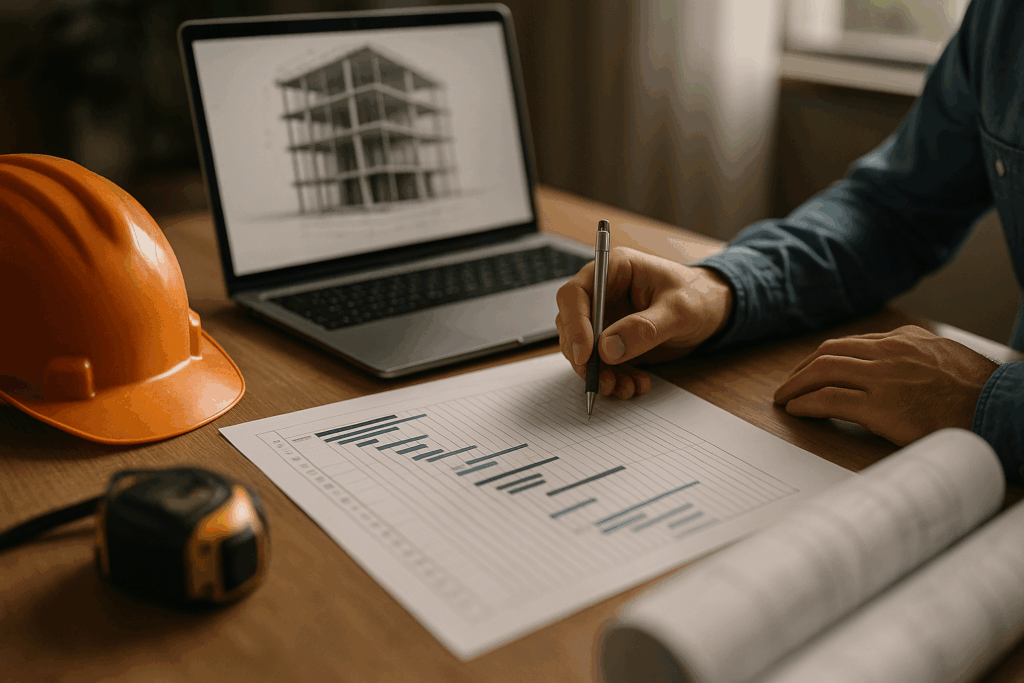
Effective construction planning techniques are vital for the success of any construction project, ensuring that all phases run smoothly and efficiently. One of the key techniques involves setting clear objectives and measurable goals at the outset of the project. This helps in establishing a baseline against which progress can be tracked. Proper scheduling is essential; utilizing tools such as Gantt charts can visually represent the timeline of the project, allowing for better foresight and allocation of resources. Additionally, leveraging a building project management tool UK can streamline the planning process, enabling contractors to centralize data, track timelines, and manage budgets effectively. Techniques such as critical path method (CPM) allow project managers to identify essential tasks that could impact project completion dates, ensuring that they prioritize these actions to stay on track. Regular review meetings should be held to assess ongoing progress and adapt the plan as necessary, facilitating a proactive approach to any potential issues that may arise. Integrating site surveys and pre-construction assessments into the planning phase minimizes surprises later on, allowing teams to anticipate challenges and mitigate risks early. By employing these techniques, construction managers can enhance both the effectiveness and efficiency of their planning efforts, setting the stage for a successful project outcome.
New in this topic: Why UK Contractors Need Real Time Project Visibility.
Utilizing Technology for Enhanced Planning
In the modern construction environment, utilizing technology has become an integral part of enhancing planning processes. Advanced software solutions, such as building project management tool UK, provide comprehensive platforms that facilitate real-time collaboration and information sharing among all stakeholders. These tools allow project managers to create detailed schedules, budgets, and resource allocations, ensuring that every aspect of the project is meticulously outlined and tracked. Furthermore, technology enables the use of Building Information Modeling (BIM), which offers 3D visualization of the project. This not only helps in identifying potential design conflicts but also aids in communication between architects, engineers, and contractors, fostering a collaborative mindset. Mobile applications further extend the reach of construction management, allowing field workers to access updated plans and reports directly on-site, thus reducing misunderstandings and improving efficiency. Additionally, implementing cloud-based solutions helps in storing project data securely while making it easily accessible to all team members, promoting transparency and accountability. The integration of artificial intelligence and machine learning can also analyze historical data and predict potential delays or issues, allowing teams to proactively address them before they escalate. By embracing these technological advancements, construction companies can significantly enhance their planning capabilities, ultimately leading to smoother project execution and improved outcomes.

Streamlining Communication Among Teams
Streamlining communication among teams is crucial for ensuring that all project elements align efficiently and effectively. Miscommunication can lead to costly delays and errors, which can dramatically affect project timelines and budgets. To avoid these pitfalls, it is essential to establish a clear communication framework early in the planning process. This involves defining specific channels for communication, establishing protocols for reporting issues, and ensuring that all team members know who to contact for various concerns. Regular meetings should be scheduled to discuss project status, address questions, and share updates, thus fostering a culture of openness and collaboration. Utilizing a building project management tool UK enhances communication by providing a centralized platform where updates, documents, and schedules can be easily accessed by all team members. This transparency not only keeps everyone on the same page but also promotes accountability, as each member is aware of their responsibilities and deliverables. Additionally, employing collaborative communication tools, such as instant messaging apps or project management software, facilitates quicker exchanges of information and allows teams to resolve challenges in real time. Encouraging feedback and open dialogue helps identify potential bottlenecks early, allowing for timely interventions. By prioritizing effective communication, construction teams can minimize misunderstandings, align goals, and enhance overall project efficiency, ultimately leading to successful outcomes.
Risk Management Strategies in Construction
Implementing risk management strategies in construction is essential to safeguard projects against potential threats that could derail timelines, budgets, and overall success. One of the foundational steps involves conducting a comprehensive risk assessment at the planning stage, where teams identify potential risks, categorize them by severity and likelihood, and develop mitigation plans accordingly. Utilizing a building project management tool UK greatly enhances this process by facilitating the documentation and monitoring of identified risks throughout the project lifecycle. Furthermore, engaging all stakeholders in risk discussions ensures diverse perspectives are considered, leading to a more robust risk management plan.
Additionally, establishing a risk response team dedicated to continuously monitoring risk factors and implementing preventive measures can significantly reduce the impact of unforeseen events. This team should be empowered to make real-time decisions to address emerging risks promptly. Regularly updating the risk register is crucial; as the project evolves, new risks may arise, and existing ones may become irrelevant, requiring ongoing attention and adjustment. Incorporating lessons learned from previous projects also plays a vital role in reinforcing risk management strategies. By analyzing historical data and outcomes, teams can refine their approaches and apply effective practices to future endeavors.
Creating a culture of risk awareness within the organization encourages all team members to take ownership of risk management. Training sessions focused on risk identification and response can equip employees with the knowledge necessary to recognize and escalate potential issues before they impact the project adversely. Moreover, leveraging technology tools to simulate various scenarios can provide insights into potential challenges and the efficacy of response strategies, allowing teams to prepare systematically. By integrating these risk management strategies into construction planning, teams can enhance their resilience against uncertainties and position projects for successful outcomes.
Monitoring and Adjusting Plans for Success
Monitoring and adjusting plans for success in construction projects is indispensable for ensuring that objectives are met and resources are utilized effectively. Regularly reviewing progress against the established project benchmarks allows teams to identify deviations early and take corrective actions as needed. One effective approach to maintaining alignment with project goals is utilizing a building project management tool UK, which provides real-time data and analytics on project performance. This tool enables teams to track key performance indicators (KPIs) and assess whether project milestones are being achieved within the designated timelines and budgets.
In addition to monitoring progress, maintaining open lines of communication among team members is essential for addressing issues as they arise. Weekly or bi-weekly progress meetings can facilitate an environment where team members feel empowered to discuss obstacles and share insights on potential solutions. It is during these meetings that project managers can reassess priorities and resources, ensuring that the project remains on track. By fostering a culture of adaptability, teams can quickly pivot when confronted with unexpected challenges, whether they arise from resource shortages, regulatory changes, or weather conditions.
Furthermore, documenting changes and adjustments made during the project lifecycle is critical. Keeping a detailed record not only helps in managing the current project but also provides valuable insights for future projects. Teams can analyze what worked well and what did not, allowing for continuous improvement in processes and planning. Integrating technology further enhances this documentation process; for instance, using a building project management tool UK can streamline updates and ensure that all stakeholders are informed of changes in real time.
Additionally, employing a flexible approach to project management is advantageous. Incorporating agile methodologies can help teams embrace change and respond dynamically to shifting conditions in construction projects. This approach involves segmenting the project into manageable phases or sprints, allowing for iterative planning and adjustments based on feedback and performance analysis.
Establishing clear thresholds for when to make adjustments is crucial. Defining specific criteria that signal when a project is veering off course can help teams make timely decisions to redirect efforts effectively. By proactively monitoring and adjusting plans, construction managers can ensure they are not only tracking progress but are also positioned to respond to the complexities of construction projects, ultimately leading to successful project delivery.


