







The Complete Guide to GPS Time Tracking for Field Teams
gps time tracking technology utilizes satellite signals to accurately determine the location and time of field teams, such as tradesmen, enhancing operational efficiency. This system captures data in real time, allowing managers to monitor when employees arrive at and leave job sites, and even track the duration of their tasks. By integrating GPS devices or applications into mobile phones, tradesmen can record their work hours seamlessly. The technology relies on GPS satellites that send signals to receivers, which calculate precise positions on Earth within a few meters. This precise data forms the backbone of time tracking solutions, providing detailed insights into labor costs, project timelines, and employee productivity.
New in this topic: How ConstruX Simplifies Project Management for UK Trades Businesses.
Benefits of GPS Time Tracking for Field Teams
One of the primary benefits of GPS time tracking for field teams is the significant increase in accountability among employees. By using GPS time tracking, tradesmen can be held responsible for the hours they report, as their exact locations and the time spent on each job are accurately documented. This transparency helps reduce instances of time theft and encourages a better work ethic, as employees know their movements are being recorded.
Additionally, GPS time tracking enhances communication within teams and with management. Real-time location data allows supervisors to provide immediate assistance or direction as needed, improving overall efficiency. This feature is especially beneficial for large teams working across various locations, as it facilitates rapid response to any issues that may arise during the workday.
Another key advantage is the optimization of route management and job scheduling. GPS technology can analyze traffic patterns and job site locations to suggest the best routes for tradesmen, minimizing travel time and expenses. This not only leads to cost savings but also improves customer satisfaction through timely arrivals and quicker job completions.
Furthermore, the data collected through GPS time tracking can be invaluable for project management and resource allocation. By providing insights into time spent at each location and task, businesses can make more informed decisions regarding labor needs and project timelines. This data-driven approach allows for better forecasting and budgeting, ultimately leading to increased profitability.
Lastly, integrating GPS time tracking with payroll systems automates timekeeping processes, reducing administrative burdens and potential errors in timesheet management. This not only saves time but also ensures that tradesmen are compensated accurately for their work, leading to higher job satisfaction and retention rates.
How to Implement GPS Time Tracking Solutions
Implementing GPS time tracking solutions for field teams involves several key steps to ensure a smooth transition and effective utilization of the technology. First, it is essential to select the right GPS time tracking system that aligns with the specific needs of your business. This includes evaluating various options based on features such as real-time tracking, user interface, integration capabilities with existing software, and the type of devices used by your tradesmen. Consider conducting a pilot program with a small group of users to test the system’s functionality and gather feedback before a company-wide rollout.
Once a system is selected, the next step is to train both managers and field teams on how to use the GPS time tracking tools effectively. Training should cover the importance of the technology, how to operate the devices or applications, and how to interpret the data collected. Ensuring everyone understands the benefits, such as improved accountability and enhanced workflow, will foster acceptance and proper usage of the system.
During the implementation phase, clear communication is vital. Establishing guidelines for how tradesmen should use the GPS time tracking services will help set expectations and address any concerns about privacy or monitoring. Transparency regarding how the data will be used can mitigate apprehensions and reinforce trust within the team.
As the solution goes live, continuous monitoring and evaluation will be critical to identify any issues or areas for improvement. Regular check-ins with teams will help collect valuable feedback, which can inform future adjustments to the system or its usage policies. Emphasizing the importance of consistent data entry and adherence to tracking procedures will enhance data accuracy and usefulness.
Additionally, integrating GPS time tracking with other systems such as project management, CRM, or payroll software can maximize efficiency and streamline processes. This integration allows for seamless data flow, reducing the likelihood of discrepancies and time-consuming manual entries. By leveraging technology effectively, businesses can harness the full potential of GPS time tracking, providing valuable insights into the working patterns of their tradesmen and enabling data-driven decision-making.
Best Practices for Managing Field Team Schedules
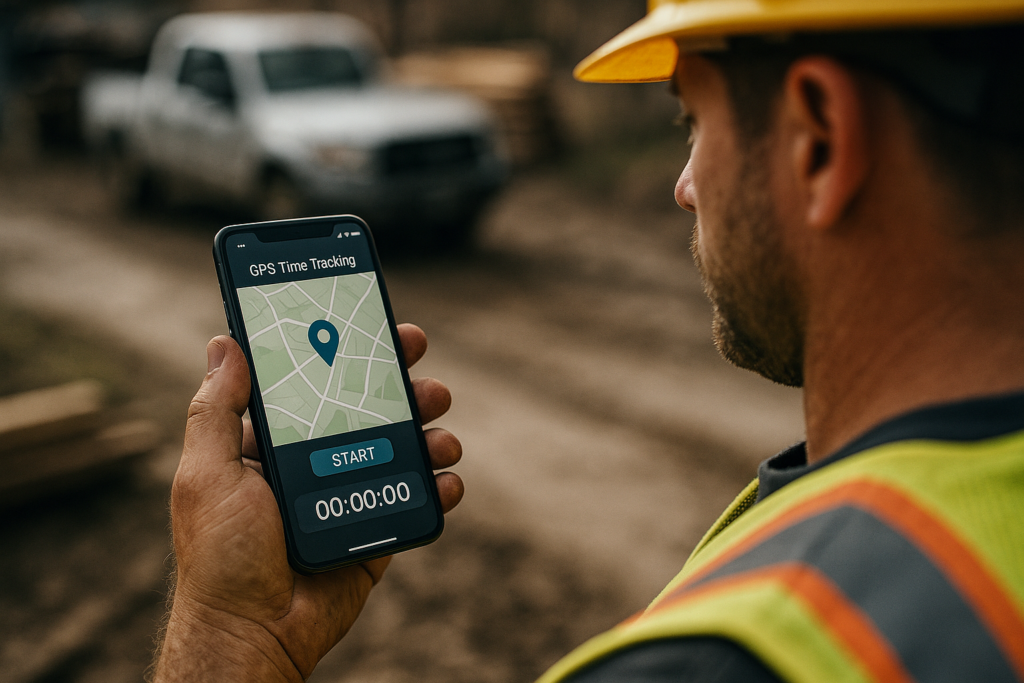
Managing field team schedules effectively is crucial for maximizing productivity and ensuring that projects stay on track. One of the best practices for managing these schedules is to utilize the insights gained from GPS time tracking. By analyzing the data collected from GPS time tracking tradesmen, managers can gain a clearer understanding of how time is allocated across various tasks and locations. This data helps in identifying patterns, such as peak productivity hours or frequent delays, allowing for better scheduling adjustments to enhance efficiency.
Furthermore, it’s important to set realistic expectations and allocate sufficient time for each task based on historical data. This not only helps in creating more achievable timelines but also reduces employee stress and improves morale. Providing field teams with a well-organized schedule that considers their optimal working hours and travel times encourages greater commitment and performance.
Regular communication plays a vital role in managing schedules as well. Utilizing tools that allow for real-time updates and notifications can help field teams stay informed about any changes in their assignments. This transparency fosters a culture of collaboration and adaptability, enabling quick adjustments to be made in response to unforeseen circumstances, such as inclement weather or last-minute client requests.
Additionally, establishing a feedback mechanism is essential. Encourage tradesmen to share their insights on the schedule and any challenges they encounter. By actively involving them in the scheduling process, businesses can refine their approaches and address issues proactively, which leads to better overall efficiency.
It can also be beneficial to implement a centralized scheduling system that integrates with GPS time tracking. Such a system offers an overview of all field teams, displaying real-time locations and availability. This visibility allows managers to make informed decisions regarding task assignments, helping to avoid overloading specific team members while others may be underutilized. Centralized scheduling combined with GPS data can enable quick decision-making, especially in dynamic environments where flexibility is needed.
Lastly, always keep scalability in mind when managing field team schedules. As businesses grow and the team expands, applying best practices from the outset can help streamline processes across larger operational scopes. Leveraging technology in this way not only supports current needs but also prepares organizations for future growth, ensuring that they remain agile and responsive in a competitive landscape.
Future Trends in GPS Time Tracking for Businesses
The future of GPS time tracking for businesses holds promising advancements that will further enhance its capabilities and improve overall efficiency for field teams. As technology evolves, we can expect to see more sophisticated integrations of GPS time tracking solutions with emerging technologies, such as artificial intelligence and machine learning. These advancements will enable predictive analytics, allowing businesses to forecast project timelines more accurately and optimize resource allocation with greater precision. By analyzing historical data, AI can suggest improvements for route planning, task assignments, and even employee performance assessments.
Another significant trend is the increased use of mobile technology in GPS time tracking systems. As smartphones become more ubiquitous in the workforce, applications that leverage GPS time tracking will incorporate user-friendly interfaces and real-time communication features. This development will empower GPS time tracking tradesmen to manage their schedules and report their status seamlessly, enhancing collaboration between field teams and management.
Moreover, the rise of the Internet of Things (IoT) will likely contribute to the advancement of GPS time tracking solutions. Devices equipped with GPS capabilities will be able to communicate with each other, providing deeper insights into team dynamics and operational efficiency. For instance, connected tools and equipment can relay information about usage times and locations, which can then be analyzed alongside GPS data to optimize workflow and reduce downtime.
We may also see a heightened focus on employee privacy and data security in future GPS time tracking systems. As concerns about digital monitoring grow, technologies that prioritize data protection, such as encryption and secure access protocols, will become essential. Companies will need to strike a balance between leveraging GPS technology for productivity and ensuring that their tradesmen feel respected and secure in their use of this technology.
Additionally, businesses will increasingly focus on sustainability as part of their operational strategies. GPS time tracking can play a pivotal role in reducing carbon footprints by optimizing routes and minimizing travel time, thus contributing to more environmentally responsible practices. Solutions that emphasize sustainability will likely become more attractive to companies seeking to enhance their corporate social responsibility profiles.
As remote work continues to gain traction, the integration of GPS time tracking with remote management tools will become more prevalent. Businesses will seek to accommodate flexible work arrangements while ensuring accountability and productivity. GPS technology will evolve to provide insights not only into field operations but also into how remote teams perform and collaborate on projects. This adaptability will ensure that companies remain competitive and efficient in a changing work landscape.


