






How HVAC Companies Track Multiple Engineers Across Sites
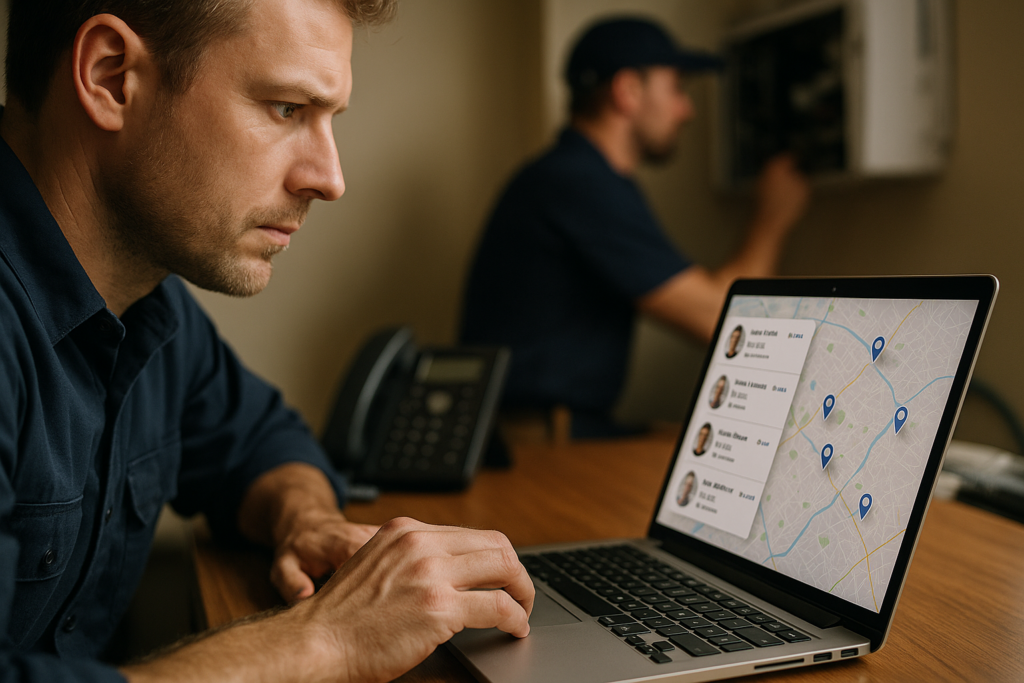
In the dynamic environment of HVAC services, managing numerous engineers across various job sites is crucial for operational efficiency. HVAC business management software plays a pivotal role in ensuring that companies can coordinate their workforce effectively. This software enables real-time tracking of engineers, allowing managers to see who is on-site, what tasks are being performed, and where any delays might be occurring. By leveraging advanced GPS tracking and mobile apps, hvac companies can monitor the location and activities of their engineers throughout the day. This approach not only enhances productivity but also improves communication between the field and the office. Moreover, the integration of job scheduling tools within the software enables proactive management of resources, facilitating optimal deployment based on project demands and staff availability. Companies can also set up automated alerts and notifications to keep all team members informed about job progress and changes in schedule, enhancing overall teamwork and minimizing downtime. By implementing these tracking systems, HVAC businesses can streamline their operations, ultimately leading to better service delivery and customer satisfaction.
New in this topic: Gantt Charts for Tradesmen: A Visual Guide to Job Scheduling.
Overview of Tracking Methods
Companies utilize several tracking methods to maintain oversight of their engineers across various sites. One prevalent approach is through mobile applications integrated with HVAC business management software, which allows engineers to log their time, update job statuses, and submit reports directly from their smartphones or tablets. These applications often feature geolocation capabilities that provide real-time data on the engineers’ locations, ensuring that management can verify their presence on-site. Additionally, some companies employ RFID (Radio Frequency Identification) technology, which enables automatic tracking of tools and equipment taken by engineers, thereby reducing loss and ensuring that all necessary resources are available for each job.
Another effective method is the use of cloud-based platforms that centralize all tracking information. These platforms enable managers to access data from any device with internet connectivity, promoting flexibility and speed in decision-making. Such systems typically offer dashboards that visualize key performance indicators, such as engineer productivity rates, job completion timelines, and even customer feedback, allowing for a comprehensive analysis of field operations. Furthermore, some HVAC companies have started incorporating time-lapse video monitoring, which records the work done at job sites. This method not only serves as a method of tracking progress but also assists in reviewing work quality and training new hires by using real-time examples from past projects.
Ultimately, combining multiple tracking methods enhances visibility into operations, enabling HVAC companies to adapt and respond quickly to any changes in site conditions or staffing needs. By refining their tracking strategies and leveraging technology, these companies can improve overall efficiency and service quality.

Technologies Used for Monitoring
HVAC companies employ a myriad of technologies for monitoring their engineers across various sites, with HVAC business management software at the core of these systems. This software integrates various functionalities into one platform, allowing for streamlined tracking and coordination. GPS technology plays a significant role, providing real-time location data, which is essential for managers to allocate resources efficiently. Engineers can be dispatched to the nearest job site, reducing travel time and enhancing productivity.
Mobile applications are another crucial element of the monitoring ecosystem. These apps enable engineers to enter job details, update status, and communicate directly with the office while on-site. The mobility ensures that managers receive live updates, allowing for quick adjustments to schedules or assignments as necessary. Moreover, features such as push notifications keep both engineers and management aligned on task priorities and changes.
In addition to GPS and mobile applications, many HVAC companies are adopting IoT (Internet of Things) devices that enable remote monitoring of equipment and environmental conditions. These devices can alert engineers to potential issues before they escalate, thereby optimizing maintenance workflows and ensuring that engineers arrive at job sites fully prepared. Coupled with HVAC business management software, this technological integration provides valuable data analytics, allowing for predictive maintenance and improved service delivery.
Cloud-based solutions are also pivotal for tracking. They allow access to essential data from any location, fostering a collaborative environment between the field and management. Additionally, cloud platforms often include visual dashboards that aggregate tracking data, illustrating trends in engineer performance and highlighting areas for improvement. This visibility enables data-driven decisions that enhance operational effectiveness.
Ultimately, the combination of these technologies leads to improved tracking capabilities that not only enhance efficiency but also ensure higher quality service delivery to customers. By leveraging these technological advancements, HVAC companies can maintain a competitive edge in an ever-evolving marketplace.
Challenges in Workforce Management
Managing a workforce across multiple job sites presents several challenges for HVAC companies. One significant challenge is ensuring clear communication between engineers in the field and management in the office. Miscommunication can lead to delays, confusion regarding job responsibilities, and a lack of coordinated efforts among team members. To mitigate this, HVAC businesses must adopt reliable communication tools integrated into their HVAC business management software, which allows for seamless updates on job status and immediate reporting of any issues encountered on-site.
Another challenge faced is the variability in job site conditions. Different locations may come with unique requirements, unforeseen obstacles, and diverse customer expectations, making it difficult to maintain consistency in service quality. Companies need to ensure that their engineers are equipped with appropriate training and resources to adapt to these changing conditions. Implementing ongoing training programs through the management software can help prepare engineers to tackle diverse scenarios effectively.
Tracking time and productivity across various job sites also presents a challenge, as engineers might face different hours based on project demands or site constraints. This inconsistency can complicate payroll and project billing processes. To overcome this, HVAC companies must utilize precise time-tracking features within their software to ensure accurate reporting and payment, promoting fair practices and preventing disputes over hours worked.
Lastly, the potential for equipment loss or mismanagement also poses a challenge. When engineers operate across multiple sites, keeping track of tools and equipment can become cumbersome. HVAC business management software that incorporates features for asset tracking helps mitigate this risk, allowing businesses to monitor equipment usage and availability closely. This functionality not only reduces losses but also ensures that all necessary tools are accessible for each job, thus maintaining workflow efficiency.
Best Practices for Effective Tracking
Effective tracking of HVAC engineers across multiple sites requires the implementation of best practices that leverage technology and foster communication, ultimately enhancing efficiency and productivity. One crucial practice is the standardization of processes across the organization. By creating uniform protocols for how engineers log their time, report job status, and communicate with the office, companies can ensure that all team members are on the same page. This consistency minimizes the chances of miscommunication and sets clear expectations for performance and accountability.
Utilizing HVAC business management software effectively is another key best practice. This software should be tailored to fit the specific needs of the company, providing features that facilitate real-time tracking, efficient job scheduling, and streamlined communication. Regular training sessions on how to use the software can further enhance adoption rates among engineers and managers, ensuring that everyone is equipped to utilize the tool’s capabilities fully. Additionally, encouraging feedback from users can help identify areas for improvement within the software, aligning it more closely with the needs of the workforce.
Communication plays an integral role in effective tracking. Implementing a multi-channel communication strategy that incorporates mobile apps, instant messaging, and regular team meetings can help keep engineers connected with the office and each other. By fostering an open line of communication, companies can address issues as they arise, optimizing response times and preventing small problems from escalating into larger ones.
Setting key performance indicators (KPIs) specific to tracking can also drive improvements. By establishing measurable goals, such as response times, job completion rates, and customer satisfaction scores, companies can gauge their progress and make data-driven decisions to enhance their tracking processes. Regularly reviewing these KPIs within management meetings keeps tracking efforts front and center, promoting a culture of accountability and continuous improvement.
Furthermore, leveraging technology for predictive analytics can provide valuable insights into workforce patterns and trends, enabling proactive planning. For example, analyzing data from past projects can help anticipate peak workload periods, allowing for better resource allocation and staffing plans. This foresight ensures that HVAC companies are prepared to meet high demands without overburdening their engineers.
Maintaining an emphasis on employee engagement and morale is essential. Engineers who feel valued and supported are more likely to perform at their best. This can be achieved through recognition programs, opportunities for personal development, and ensuring a healthy work-life balance. By creating a supportive work environment, companies can enhance both job satisfaction and performance, leading to improved tracking and ultimately better service delivery to clients.
Future Trends in HVAC Engineer Coordination
Future trends in HVAC engineer coordination are poised to reshape the way companies manage their workforce across multiple job sites. As technology continues to evolve, HVAC business management software will increasingly incorporate artificial intelligence and machine learning capabilities. These advancements will allow for enhanced analytics, providing managers with predictive insights into engineer performance, customer demands, and job site requirements. By analyzing historical data, AI can assist in predicting peak times for service requests, enabling companies to allocate engineers more effectively and optimize their schedules.
Moreover, the integration of augmented reality (AR) and virtual reality (VR) technologies in training and operations is on the horizon. These technologies can empower engineers to visualize complex HVAC systems and equipment in real-time, improving troubleshooting and service processes. For instance, engineers could use AR glasses to overlay digital information directly onto physical components, enabling them to diagnose problems more efficiently and reduce time spent on-site.
Mobile applications will continue to play a crucial role in coordination, with advancements in user interface design making them even more intuitive. Enhanced functionalities, such as voice recognition and advanced communication tools, will allow engineers to update job statuses and communicate issues hands-free, improving their focus on tasks while working in the field. Furthermore, as 5G technology becomes more widespread, the speed and reliability of real-time data transmission will drive more seamless interactions between field teams and management.
Additionally, environmental sustainability is expected to gain more traction within the HVAC industry. Companies may adopt eco-friendly tracking methods that reduce paper usage, such as digital documentation and automated reporting through HVAC business management software. This shift not only aligns with corporate responsibility goals but also streamlines operations by minimizing paperwork and optimizing resource allocation.
Lastly, the concept of workforce flexibility will become more prevalent, with remote management tools allowing for greater adaptability in workforce deployment. As more engineers work in varied environments and manage diverse projects, effective communication and tracking systems will need to evolve to support remote collaboration. This shift towards flexibility will enable HVAC companies to respond swiftly to changing job conditions and customer needs, ultimately enhancing operational effectiveness and service quality.


