








Why Your Customer Portal Is Your Best Sales Tool
Your customer portal is not just a digital space for transactions; it’s a powerful sales tool that can transform how you engage with clients and prospects. By integrating features that facilitate seamless interaction, your customer portal can significantly impact your sales process. The construction of a well-designed customer portal allows for personalized experiences, empowering users to navigate their journey with ease, whether they are existing customers or potential leads.
New in this topic: How ConstruX Simplifies Project Management for UK Tradesmen.
Incorporating intuitive navigation, resourceful content, and interactive features ensures that users find what they need quickly, enhancing their overall experience. This accessibility is crucial as it allows customers to engage with your offerings in a self-directed manner, often leading to quicker decision-making and increased sales conversions. As customers leverage the portal to access accounts, initiate orders, and manage subscriptions, they are more likely to see your business as responsive and customer-centric.
Moreover, a customer portal serves as a collection point for rich data on user behavior and preferences. This information can inform your sales strategy, helping to tailor approaches that resonate with different customer segments. When you understand how customers interact with your portal, you can refine your offerings and messaging to drive higher engagement and ultimately boost sales performance.
Understanding the Role of Customer Portals in Sales
Customer portals play a crucial role in the sales ecosystem, acting as a bridge between your business and your customers. The construction of a customer portal is not merely an IT project; it involves creating a strategic asset that addresses customer needs while driving sales initiatives. By providing a centralized platform for communication, support, and resource sharing, a customer portal enables businesses to operate more efficiently and effectively.
One of the primary functions of a customer portal is to facilitate access to information. Customers can find answers to their queries, explore product offerings, and gain insights into services without waiting for assistance from a sales representative. This immediacy fosters a self-service culture that not only saves time but also empowers customers to make informed decisions. In this manner, the customer portal becomes a proactive sales enabler, guiding prospects through the sales funnel at their own pace.
The customer portal also enhances the relationship-building process. By offering personalized experiences through tailored content and recommendations derived from customer data, you can engage users on a deeper level. This personalized approach can lead to increased trust and loyalty, which are essential for repeat sales. Customers are more likely to return to a platform that understands their preferences and behaviors, reinforcing the value of the portal in cultivating long-term relationships.
Additionally, with continuous advancements in technology, customer portals can integrate various tools and functionalities that extend beyond traditional sales aids. Features such as live chat, customer forums, and feedback loops enable real-time interaction and immediate resolution of issues, further enhancing customer satisfaction. These interactions are not only vital for service but also provide invaluable insights into customer needs, preferences, and pain points, allowing for more refined sales strategies.
The robust data collection capabilities of a customer portal facilitate data-driven decision-making. By analyzing user interactions, purchasing patterns, and feedback collected through the portal, businesses can identify trends and adjust their sales tactics accordingly. This adaptability is essential in today’s rapidly changing marketplace, ensuring that your sales approaches remain relevant and effective in meeting customer demands. In essence, the strategic design and construction of your customer portal can significantly amplify its role as a core component of your sales strategy.

Key Features of an Effective Customer Portal
Key features of an effective customer portal are pivotal in ensuring it serves as a robust sales tool. One of the most critical aspects is user-friendly design, which includes a clean interface and intuitive navigation. When customers can easily navigate the portal, they are more likely to find the information they seek without frustration. This ease of access contributes to a positive user experience, leading to increased engagement and higher conversion rates.
Another essential feature is personalized content delivery. By utilizing customer data, the portal can offer tailored experiences that resonate with individual users. This could include customized product recommendations, which not only enhance the customer experience but also strategically guide potential buyers toward making a purchase. The customer portal construction should focus on ensuring that these personalized elements are easily integrated and managed.
Integration of self-service capabilities is also crucial. Customers today appreciate having the power to solve problems on their own. An effective customer portal provides resources such as FAQs, instructional videos, and troubleshooting guides. These tools not only empower users but also reduce the burden on support teams, allowing sales representatives to focus on higher-value activities such as nurturing relationships with prospects and closing deals.
Moreover, real-time communication features, such as live chat options and integrated messaging, enhance the customer experience significantly. Instant access to support can help address concerns immediately, which can be a deciding factor for potential sales. Customers often prefer quick resolutions, and having these functionalities in place demonstrates your commitment to customer satisfaction.
Another integral feature is the incorporation of analytics and reporting tools. These allow businesses to track user behavior, engagement levels, and sales performance within the portal. By analyzing this data, companies can make informed decisions regarding sales strategies and marketing campaigns. Insight gained from portal interactions can reveal trends and identify opportunities for cross-selling and upselling, ultimately driving revenue growth.
Lastly, security and privacy features are critical components of an effective customer portal. Ensuring that customer data is secure builds trust and confidence among users. Implementing strong security measures, such as two-factor authentication, can protect sensitive information, making users feel safe when engaging with the portal. This trust is essential in maintaining long-term customer relationships and achieving repeat sales.
Enhancing Customer Engagement Through Self-Service
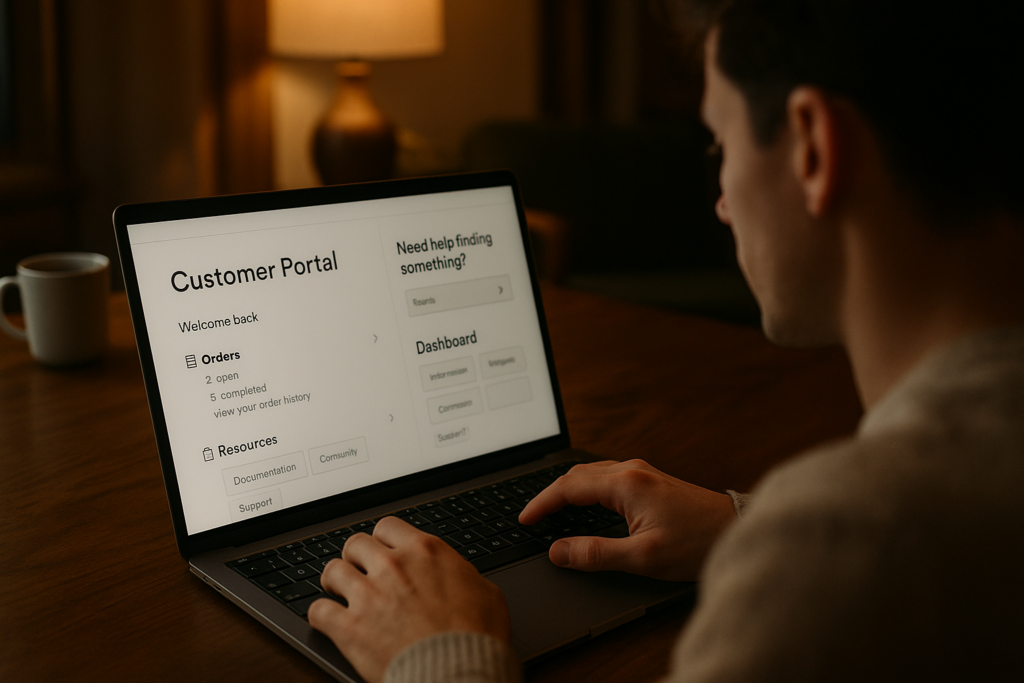
Enhancing customer engagement through self-service capabilities within your customer portal is essential for driving sales and improving customer satisfaction. When customers have the means to find information and resolve issues independently, they not only feel empowered but also tend to engage more actively with your offerings. This self-service approach fosters a sense of ownership over their experience, allowing them to navigate through various features at their own pace. The key to successful customer portal construction lies in designing interfaces and resource libraries that are intuitive and readily accessible, ensuring that users can quickly locate the information they desire without unnecessary hurdles.
Providing a diverse range of self-service resources, such as comprehensive FAQs, instructional tutorials, and troubleshooting guides, equips customers with the tools they need to solve problems immediately. This proactive support reduces reliance on customer service teams, enabling your sales personnel to focus their efforts on high-value interactions that convert leads into customers. Additionally, the availability of self-service options can shorten the sales cycle significantly, as customers can perform crucial tasks like tracking orders or managing subscriptions without waiting for assistance. This immediacy enhances their overall experience and increases the likelihood of repeat business.
Moreover, the integration of self-service features in your customer portal can deepen customer relationships. By offering personalized content and product recommendations based on user behavior, you can create a targeted experience that resonates with individual preferences. When users see that the portal reflects their interests and past interactions, it establishes a more profound connection, encouraging them to return and explore more. The effectiveness of customer engagement hinges on the relevance and adaptability of the resources provided, which can be achieved through thoughtful customer portal construction.
Real-time self-service capabilities, like live chat options or instant messaging features, further reinforce customer engagement. Even within a self-service framework, having the ability to connect with a representative on demand addresses any lingering questions or concerns. This hybrid approach not only satisfies the growing consumer preference for immediate resolutions but also enhances trust and satisfaction. When customers feel that their needs are being met efficiently, they are more likely to advocate for your brand and make repeat purchases.
Furthermore, businesses can leverage the data gathered from self-service interactions to glean insights into customer preferences and pain points. Analyzing this data enables organizations to refine their sales strategies and optimize the customer portal experience. By understanding which resources are most accessed or how customers navigate through the portal, adjustments can be made to improve functionality and accessibility. In essence, a well-executed self-service strategy within your customer portal not only uplifts engagement but also strengthens the sales process, making it one of the most effective tools for driving business growth.
Analyzing Customer Data for Sales Insights
Analyzing customer data is crucial for extracting actionable sales insights that can shape your business strategies. With the wealth of information gathered through customer portal interactions, companies have the opportunity to delve deep into understanding customer behaviors, preferences, and trends. This data-centric approach enables businesses to assess how customers engage with different features, products, and content within the portal, paving the way for informed decision-making.
Data analytics can reveal critical patterns in customer interactions. For instance, tracking which sections of the portal are most visited or which products receive the most attention can inform your sales team about popular offerings and customer interests. By leveraging this insight, businesses can tailor their marketing strategies to highlight sought-after products or services, optimizing promotional efforts to align with customer needs. The construction of a robust analytics framework within the portal allows for the continuous collection and assessment of data, providing a clear picture of customer engagement over time.
Furthermore, analyzing customer feedback collected through surveys or support interactions can shed light on pain points and areas for improvement. Understanding customer sentiment and addressing concerns proactively can enhance the overall experience, fostering loyalty and increasing the likelihood of repeat transactions. Incorporating feedback into your sales strategy not only demonstrates responsiveness to customer needs but also strengthens the relationship between the business and its clients.
By utilizing advanced analytics tools, such as predictive modeling and segmentation analysis, businesses can anticipate future customer behaviors. This foresight enables sales teams to proactively engage potential leads with targeted offers and recommendations that align with users’ preferences. For instance, if data indicates that a particular customer segment frequently purchases products during seasonal sales, tailored engagement initiatives can be implemented to capitalize on these patterns, thus maximizing conversion opportunities.
Additionally, the integration of customer data across different touchpoints can provide a holistic view of the customer journey. Understanding how users navigate from initial interest to final purchase offers insights into optimizing the sales funnel. With this comprehensive view, businesses can identify bottlenecks or drop-off points within the customer journey, enabling them to make necessary adjustments to the portal’s user experience. A seamless customer portal construction that addresses these obstacles can enhance user satisfaction and lead to higher conversion rates.
Ultimately, by effectively analyzing customer data within the customer portal, businesses can create a feedback loop that continuously informs and refines their sales strategies. This data-driven approach not only improves sales performance but also strengthens customer relationships, as clients feel valued when their preferences and behaviors are acknowledged and acted upon. Embracing this analytical mindset positions your customer portal as not just a functional tool, but as an integral component of your overall sales strategy, driving sustained business growth.
Maximizing ROI with Your Customer Portal
Maximizing ROI with your customer portal is essential for ensuring that the investment made in its construction translates into tangible business benefits. A strategically designed customer portal offers multiple avenues for increasing revenue and reducing costs, ultimately contributing to a favorable return on investment. One key aspect of achieving this is by enhancing user experiences that encourage higher levels of engagement and loyalty. When customers feel valued and are provided with seamless access to information and services, they are more likely to increase their spending and refer others to your business.
Moreover, implementing effective upselling and cross-selling strategies within the customer portal can elevate transaction values. By leveraging customer data to present personalized product recommendations, businesses can guide users toward complementary items or higher-tier offerings that match their purchase behavior and preferences. This tailored approach not only increases the chances of additional sales but also strengthens customer relationships by showing that the business understands and caters to their needs.
Another significant factor in maximizing ROI is the portal’s capacity to reduce operational costs. By empowering customers to access information and complete transactions independently, businesses can decrease their reliance on customer support staff. This allows financial resources to be redirected toward more impactful initiatives, such as enhancing the product range or investing in marketing strategies. Furthermore, a well-constructed customer portal minimizes the need for costly customer service interventions, which can further improve profitability.
To capitalize on the data amassed through the portal, organizations should employ continuous monitoring and optimization practices. Regularly analyzing user interactions and transaction metrics can reveal areas for improvement and highlight opportunities for enhancing the customer journey. Adjusting resources based on these insights not only fosters user satisfaction but also maximizes the efficiency of the portal, ensuring that it remains an agile component of your sales strategy.
Additionally, integrating feedback mechanisms, such as surveys and ratings, allows businesses to collect insights directly from users regarding their experiences with the customer portal. This feedback loop is critical for refining the portal’s functionality and ensuring it aligns with customer expectations. By actively listening to their customers, businesses can evolve the portal to meet changing demands, ultimately maximizing ROI over time.
Lastly, promoting the customer portal effectively can amplify its utilization and benefit. Encouraging customers to engage with the portal through targeted marketing campaigns, tutorials, and updates will drive traffic and interaction. When customers perceive the value of the portal and the services it offers, they are more likely to use it, leading to increased sales and improved overall business performance.


