








The Small Builder’s Guide to Project Milestones
project milestones serve as critical markers in the construction process, allowing builders to measure progress and define specific points of achievement throughout a project’s lifecycle. These milestones are not just arbitrary checkpoints; they represent significant events that indicate progress, such as the completion of key tasks, the approval of designs, or the acquisition of necessary permits. Understanding how to effectively incorporate construction milestone tracking into your project management strategy is essential for maintaining momentum and ensuring accountability among team members. By establishing clear milestones, builders can break down complex projects into manageable segments, facilitating better resource allocation and optimized scheduling. Regularly reviewing these milestones helps to identify any deviations from the original plan, allowing for timely adjustments and ensuring that the project remains on track to meet its overall objectives. Moreover, milestones provide a framework for communicating progress to stakeholders, ensuring transparency and fostering greater collaboration throughout the construction process.
New in this topic: AI in Construction: How Smart Software Is Changing the Game.
Setting Clear Objectives
To set clear objectives, it is crucial for builders to ensure that every milestone aligns with the overall vision of the project. Objectives should be specific, measurable, achievable, relevant, and time-bound (SMART). Clearly defined objectives provide direction and clarity, making it easier for all team members to understand what is expected and when. When establishing these objectives, consider the various phases of construction and how each milestone contributes to the completion of the project. For instance, if the goal is to improve efficiency, objectives could include reducing the time taken for certain tasks or minimizing resource waste. By integrating construction milestone tracking into this process, builders can monitor progress against these objectives and adjust strategies as necessary. It is also beneficial to involve all stakeholders in the goal-setting process to ensure buy-in and commitment, which can enhance motivation and accountability. Regularly revisiting and refining these objectives as the project progresses can help maintain momentum and address any emerging challenges, ultimately leading to a more successful outcome.

Developing a Project Timeline
Developing a project timeline is a crucial step in ensuring that all elements of a construction project are coordinated effectively. A well-structured timeline delineates when each milestone will be achieved, allowing builders to allocate resources efficiently and predict potential delays. Start by breaking the project down into phases and determining the time frame necessary for each segment. This can involve estimating the duration based on previous projects, consulting with team members, and considering any external factors that might impact the schedule, such as weather conditions or availability of materials.
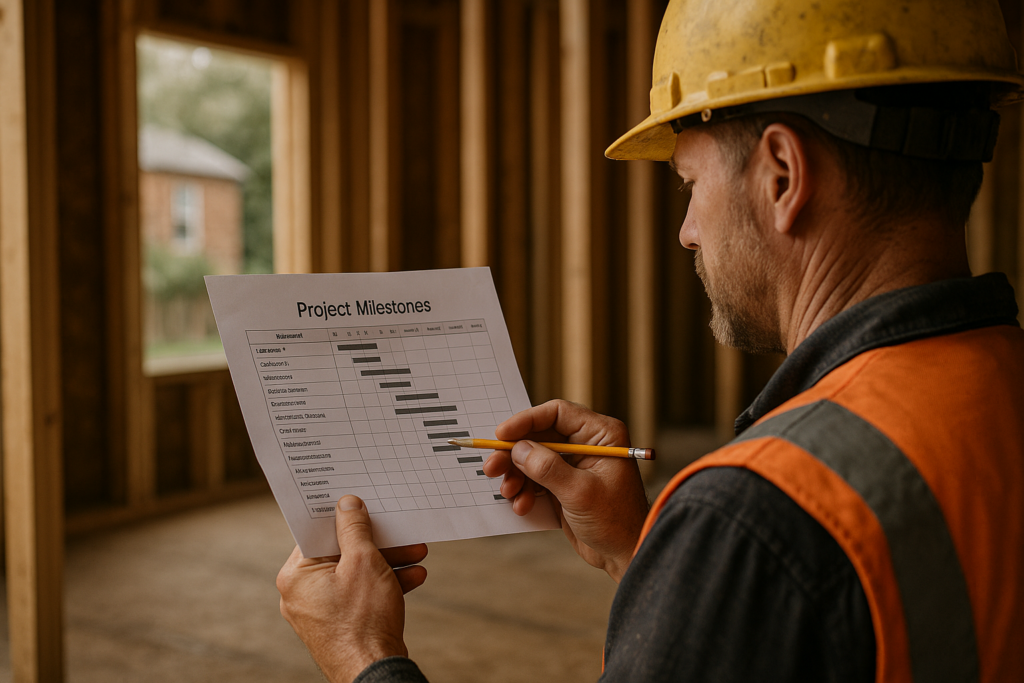
Once the individual phases are outlined, integrate the identified milestones into the timeline. This is where construction milestone tracking becomes essential. By noting when each key achievement should occur, builders create a visual representation of progress over time, helping to ensure that tasks are completed sequentially and nothing falls through the cracks. Each milestone should be accompanied by specific deadlines, which not only provides motivation but also allows for accountability among team members.
To enhance the efficiency of your project timeline, consider incorporating buffer periods between milestones. These buffers address potential setbacks and provide flexibility for the team to adjust without derailing the entire project. Additionally, regular updates and reviews of the timeline should be part of your project’s rhythm, ensuring that all stakeholders remain informed and engaged. If any delays are noted during construction milestone tracking, prompt discussions around reallocation of resources or adjustments to expectations can take place, minimizing the overall impact on the project’s completion date. By thoughtfully developing a detailed project timeline, builders can better navigate the complexities of construction, ensuring steady progress and alignment with project objectives.
Monitoring Progress and Adjusting Plans
Monitoring progress is an essential aspect of project management that can significantly impact the success of construction projects. As milestones are reached, builders must actively assess the current state of the project against established objectives and timelines. Utilizing construction milestone tracking allows for effective oversight, enabling teams to identify any discrepancies between planned progress and actual outcomes. Regular check-ins, whether weekly or bi-weekly, can help in this process, allowing for an ongoing evaluation of completed tasks and upcoming deadlines. By systematically reviewing progress made at each milestone, builders can pinpoint areas where performance may be lagging and determine the factors causing these delays.
When adjustments are necessary, it is vital to approach them collaboratively. Involve the team in discussions regarding the challenges faced and brainstorm solutions collectively. Whether it is reallocating resources, adjusting timelines, or even revising objectives, transparency in communication fosters a cooperative environment and encourages team members to feel invested in problem-solving. As construction milestone tracking brings visibility to potential pitfalls, it empowers teams to react proactively rather than waiting for issues to escalate. Being nimble in your response can significantly mitigate the risk of falling behind schedule or exceeding budgets.
Additionally, monitoring progress is an opportunity to celebrate small victories. Recognizing and rewarding milestones as they are achieved serves to motivate and reinforce team morale. This positive reinforcement encourages continual engagement and effort from all members, creating a culture of accountability and productivity. By carefully balancing the review of progress, addressing setbacks, and celebrating achievements, builders can navigate the complexities of construction projects more effectively, ensuring that the project remains aligned with its overall goals and timelines.
Celebrating Success and Learning from Experience
Celebrating success is an integral part of the construction process that often gets overlooked in the rush to meet deadlines and project objectives. When a milestone is achieved, it’s essential to take a moment to recognize the hard work that led to this accomplishment. This can be done through formal celebrations, such as team meetings or gatherings, where successes are acknowledged, or through simple gestures of appreciation, like thank-you notes or shout-outs during daily briefings. Such recognition fosters a positive environment and reinforces the notion that each project milestone is not just a checkbox but a significant achievement contributing to the overall success of the project.
Learning from experience is equally important, as it allows teams to reflect on what worked, what didn’t, and how the next project can be improved. After celebrating each milestone, it’s advantageous to conduct a quick debriefing session to discuss the challenges faced and the strategies that led to success. This creates a culture of continuous improvement, where lessons learned during construction milestone tracking are documented and shared among team members for future reference. By analyzing both successes and setbacks, builders can refine their methodologies and enhance their performance in subsequent projects.
Additionally, integrating feedback from all team members during these discussions can provide valuable insights that may not have been initially apparent. It encourages openness and collaboration, which is essential for fostering innovation within the team. Applying these lessons to future projects ensures that mistakes are not repeated and that successful strategies are refined and reiterated, making the next construction endeavor even more efficient. Ultimately, celebrating successes and learning from experience are pivotal in building a resilient and committed team, capable of tackling the complexities of construction with confidence and enthusiasm.


