








Why AI Estimating Helps Builders Stay Competitive
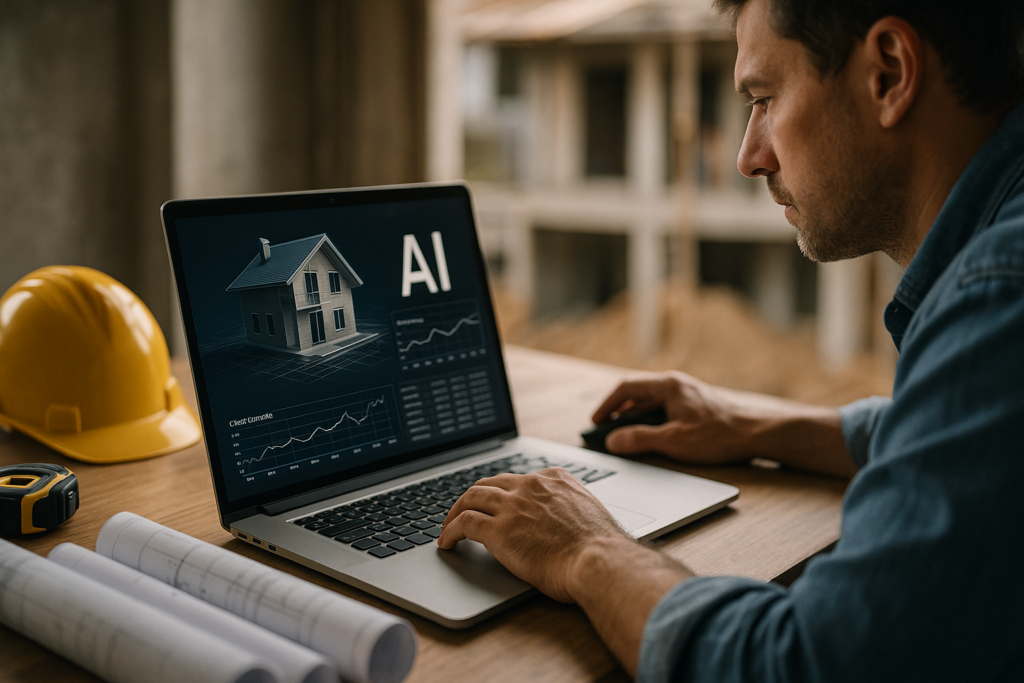
AI estimating has emerged as a transformative tool in the construction industry, revolutionizing how builders approach project cost estimation and management. By utilizing advanced algorithms and machine learning techniques, AI estimating software for builders in the UK and beyond can analyze vast amounts of data to provide accurate and timely cost predictions. This technology enables builders to streamline their estimating processes, reducing the time spent on manual calculations and allowing for a more efficient workflow. Additionally, AI can assess historical project data to identify patterns and trends, which can further enhance the reliability of estimates. As the construction sector faces increasing competition and demand for precision, understanding the capabilities of AI estimating is crucial for staying ahead in the market.
New in this topic: Carpentry Teams Create Reusable Templates for Faster Planning.
Benefits of AI for Cost Estimation

AI estimating software for builders in the UK provides numerous benefits that extend beyond traditional estimating methods. One of the primary advantages is the speed at which estimates can be generated. By automating tasks that would typically take hours or even days, builders can produce accurate cost estimates in a fraction of the time. This rapid turnaround is particularly beneficial in a competitive market where timely submissions can factor into securing contracts. Additionally, AI estimating tools integrate real-time data, ensuring that estimates reflect current material costs, labor rates, and market conditions, which can fluctuate significantly. This dynamic aspect of AI ensures that builders remain responsive to changing circumstances, enhancing their ability to provide competitive bids.
Moreover, the predictive capabilities of AI estimating software deepen the insights available for project planning. By analyzing historical project data, the software can identify risk factors and potential overruns, allowing builders to proactively address issues before they escalate. This foresight not only improves cost management but also contributes to better project outcomes, as builders can allocate resources more effectively and anticipate challenges ahead of time. As a result, builders can enhance their reputation by consistently delivering projects on budget and within specified timelines.
Furthermore, AI estimating tools facilitate collaboration among project stakeholders. By centralizing data and providing clear visibility into the estimating process, all parties involved—from subcontractors to project managers—can access the same information. This transparency fosters communication and reduces the likelihood of misunderstandings, leading to more cohesive teamwork and ultimately more successful projects. The integration of AI estimating into the workflow encourages a culture of data-driven decision-making among builders, enhancing overall operational efficiency.
The benefits of AI for cost estimation extend far beyond just speed; they encompass accuracy, predictive analytics, and improved collaboration. As builders in the UK and around the globe increasingly adopt AI estimating solutions, they position themselves to meet the demands of a fast-paced industry while staying ahead of the competition.

Enhancing Accuracy and Efficiency with AI
In the construction industry, enhancing accuracy and efficiency through AI estimating technology is a game-changer. Traditional estimating processes often rely on manual data entry, which can lead to human errors and inconsistencies. However, AI estimating software for builders in the UK mitigates these risks by automating calculations and leveraging machine learning. This technology is designed to learn from past projects, making it increasingly precise over time as it processes more data. The result is vastly improved accuracy in cost projections, which is critical for profitability and maintaining client trust.
Moreover, AI estimating software streamlines the workflow for builders by integrating with existing project management tools. This integration allows teams to seamlessly share information and track changes in real time, reducing the likelihood of discrepancies between different departments. The software can pull in up-to-date information about labor rates, material costs, and project timelines, ensuring that estimates reflect current market conditions. Such capability transforms the estimating process from a static task into a dynamic, responsive function of project management.
By providing builders with immediate access to comprehensive data analysis, AI estimating solutions not only enhance accuracy but also improve decision-making processes. Builders can quickly assess the financial implications of various design choices or schedule adjustments, which empowers them to make informed decisions that align with project goals and budgets. This agility is particularly essential in a rapidly changing industry, where time-to-market can significantly influence competitiveness.
Furthermore, the predictive analytics capabilities of AI tools enable builders to foresee potential risks related to cost overruns or project delays. By analyzing trends and historical data, the software can highlight patterns that may indicate future issues. This proactive approach allows builders to mitigate risks before they impact the project, ultimately leading to better performance metrics and elevated client satisfaction.
<pIn essence, the integration of AI estimating software for builders in the UK not only bolsters the accuracy of cost estimates but also refines operational efficiency. As these tools evolve, they are set to redefine how builders approach project estimation, pushing the boundaries of what is possible in construction management.
Case Studies: Successful AI Implementations
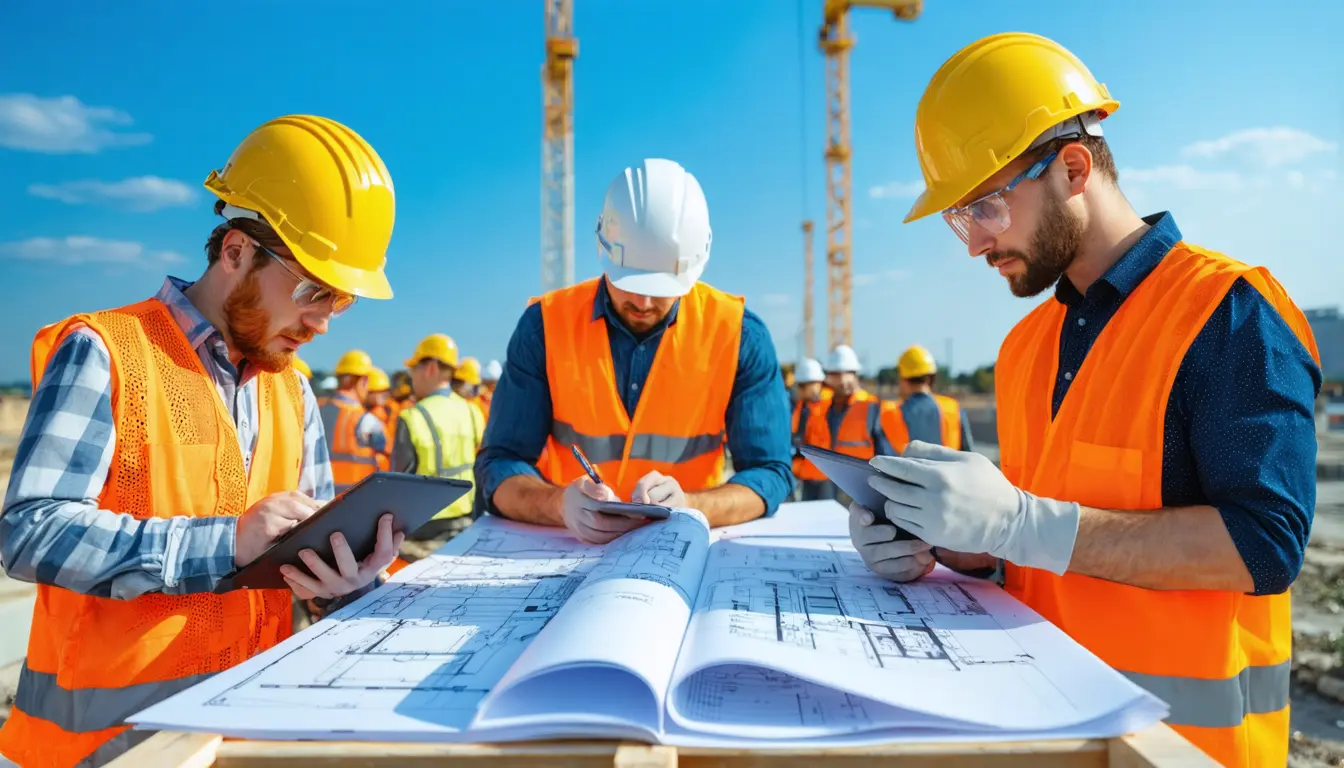
Numerous construction companies worldwide have successfully adopted AI estimating software for builders in the UK, showcasing impressive results that underline the efficacy of this innovative approach. One notable case is a mid-sized construction firm that specialized in residential projects. Struggling with lengthy estimating cycles and a high rate of human error, the company decided to implement AI estimating tools. Within a few months of integration, they reduced their estimating time by over 50%, enabling them to submit bids faster than competitors. The new system not only improved turnaround times but also increased their estimate accuracy by analyzing previous projects and market variances, which helped them secure several lucrative contracts that were previously out of reach.
Another compelling example comes from a large commercial construction firm that embraced AI estimating software to enhance its project management processes. By utilizing predictive analytics features, the firm was able to identify potential budget overruns early in the planning stages. This foresight inspired preemptive adjustments, such as renegotiating vendor contracts and reallocating resources, which saved the company significant costs. Furthermore, the integration of AI facilitated better communication with clients and subcontractors, as stakeholders could access real-time data and insights, leading to more informed decision-making and collaborative problem-solving throughout the project lifecycle.
A third example involves a construction organization that focused on sustainable building practices. They incorporated AI estimating software into their workflow to ensure that green materials and innovative building techniques were accurately represented in cost assessments. By leveraging the software’s capability to analyze various sustainable practices and associated material costs, they produced detailed estimates that not only helped inform their clients but also promoted energy-efficient building options as cost-effective choices. This strategy not only placed the firm at the forefront of the green building movement but also allowed them to differentiate themselves in a competitive marketplace.
These case studies illustrate how AI estimating software for builders in the UK is not merely a trend, but rather a substantial leap forward in achieving operational excellence. Companies of various sizes and focuses have experienced rapid improvements in productivity, cost management, and client collaboration. As AI technology continues to evolve, it is increasingly clear that its integration within estimating processes will be a fundamental aspect of competitive strategy in the construction industry.
Future Trends in AI Estimating for Builders
The future of AI estimating for builders is poised to introduce a plethora of advancements that will further streamline and enhance the construction sector. As technology evolves, AI estimating software for builders in the UK will become even more sophisticated, harnessing the power of big data and advanced analytics. One anticipated trend is the growing reliance on predictive analytics, which will enable construction firms to forecast outcomes with greater accuracy by assessing a wider range of variables and historical data. This means that not only will estimators be able to predict costs more reliably, but they will also be able to anticipate project challenges such as delays or material shortages before they arise.
Additionally, the incorporation of artificial intelligence with augmented reality (AR) and virtual reality (VR) may transform the estimating process by providing immersive project visualization. Builders could utilize AR and VR environments to create detailed project representations, allowing them to assess potential costs and challenges in a more tangible setting. This integration will aid in stakeholder communication, as clients can visualize the project in its entirety, making collaborative decision-making more effective. With clear project scopes and expectations, builders will likely see a reduction in scope changes and associated costs.
Moreover, as international standards regarding sustainability and efficiency become more prevalent, AI estimating software will likely evolve to incorporate green building metrics. Builders will find that the software not only helps them estimate costs for traditional materials but also assesses the cost implications of integrating sustainable practices and materials. This shift towards sustainability-driven estimations can position companies favorably in a market increasingly driven by eco-conscious clients and policies.
Integration with cloud technology will also likely play an important role in the future of AI estimating. With cloud-based solutions, builders will benefit from enhanced accessibility to data, allowing teams to work collaboratively in real-time, regardless of their location. This will increase transparency and efficiency in the estimating process, as changes can be made and shared instantaneously across all project stakeholders. Furthermore, maintaining extensive databases in the cloud will allow AI systems to continuously learn from each project, refining their algorithms for even more precise estimates over time.
Lastly, as the skill sets required in the construction industry evolve, training focused on AI tools will likely become more integral to educational programs for estimators and project managers. Builders who invest in upskilling their workforce in the use of AI estimating software can ensure that their teams are not only adept in traditional methods but are also prepared to leverage cutting-edge technology to retain a competitive edge. In summary, the future of AI estimating in the construction industry anticipates a blend of predictive analytics, innovative visual technologies, sustainability integration, cloud collaboration, and enhanced training methodologies that will collectively redefine the landscape of project estimation.


