








How UK Electricians Improve Estimates With Digital Tools
Digital tools have revolutionized the way electricians approach their work, particularly in the estimating process. One significant benefit is the considerable time savings these tools offer. Traditional methods of estimation, often reliant on manual calculations and paper-based systems, can be slow and prone to errors. With electrical estimating software UK, electricians can automate calculations, generate quick estimates, and streamline their workflow, allowing them to focus more on tasks that require their expertise.
New in this topic: Small Trades Teams Use Reporting Tools to Track KPI Performance.
Furthermore, digital tools enhance communication between electricians, clients, and suppliers. By using cloud-based software, electricians can provide real-time updates and share estimates instantly with clients, ensuring that everyone is on the same page. This transparency not only builds trust but also leads to faster decision-making, as clients can review and approve estimates without delays.
Additionally, these tools often come equipped with features that allow for more comprehensive data analysis. Electricians can now track project costs, manage budgets, and adjust estimates as needed based on historical data and ongoing project requirements. This level of analysis not only improves the accuracy of estimates but also enhances the overall financial management of projects.
Lastly, the integration of mobile applications allows electricians to generate estimates on-site. This flexibility means they can analyze the job requirements and conditions in real-time, leading to more accurate quotes and preventing costly misunderstandings. Overall, the adoption of digital tools in electrical estimating not only simplifies the process but also empowers electricians to improve their service delivery and client satisfaction.
Key Features of Estimation Software
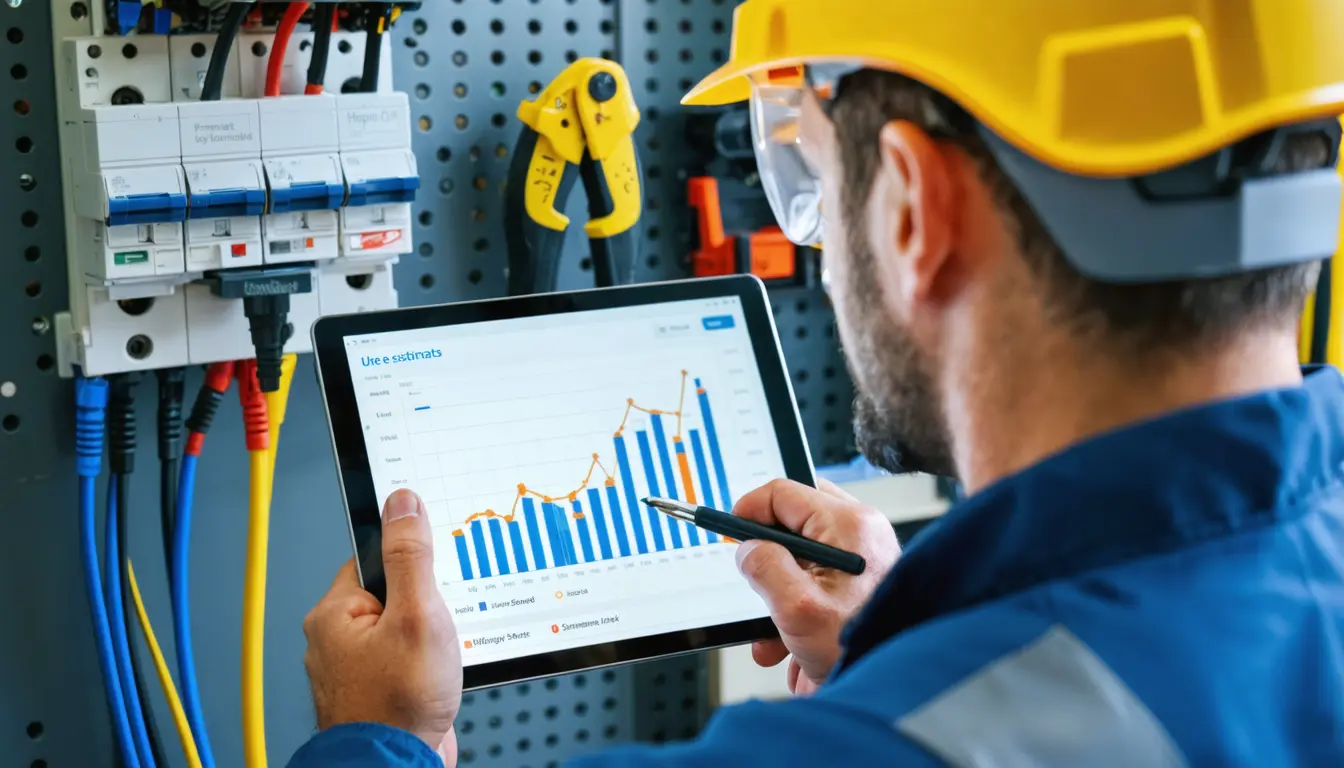
When exploring key features of estimation software, it becomes clear that these digital tools are specifically designed to cater to the unique needs of electricians. A user-friendly interface is paramount, allowing electricians to navigate the software with ease and efficiency. A well-designed dashboard provides a clear overview of projects, enabling quick access to essential features without the steep learning curve often associated with new software.
Another critical feature is the ability to customize templates for various types of electrical projects. This customization ensures that electricians can create detailed estimates that reflect their specific services and client needs, making the estimation process both personalized and relevant. Pre-built templates can also save time, giving electricians a head start on new projects while still allowing for adjustments as necessary.
Integration with existing financial and project management systems is another vital aspect of effective estimation software. This connectivity allows electricians to import historical data seamlessly, helping them make informed decisions based on past project outcomes. Furthermore, the ability to export estimates and reports in various formats ensures that electricians can share information effortlessly with clients and stakeholders, maintaining strong communication throughout the project lifecycle.
Moreover, robust pricing databases are a hallmark of leading electrical estimating software in the UK. These databases are regularly updated to reflect current market rates for materials and labor, ensuring that estimates are both competitive and comprehensive. Electricians can easily access the latest costs, preventing underestimation and protecting profit margins.
Collaboration tools are increasingly vital as well. Modern estimation software often includes features that facilitate teamwork among electricians and other project players. By enabling multiple users to review and contribute to estimates in real-time, these tools help prevent miscommunication and ensure that all aspects of a job are accurately represented in the final figures.
Lastly, cloud computing capabilities set advanced estimation software apart from traditional methods. With cloud-based solutions, electricians can access their projects from any location, whether at the office or on-site. This accessibility ensures that they can make timely adjustments and provide rapid estimates, which is crucial in today’s fast-paced construction environment. As more electricians turn to electrical estimating software UK, these key features will continue to drive efficiency and accuracy in the estimating process.

How Digital Tools Enhance Accuracy
Digital tools have dramatically improved the accuracy of estimates for electricians through various advanced functionalities and real-time data integration. One of the primary ways these tools enhance precision is by utilizing extensive databases that consolidate pricing information for materials and labor. Electricians using electrical estimating software UK can access up-to-date costs, helping them avoid common pitfalls like underestimating project expenses or overlooking essential components necessary for compliance with industry standards.
Moreover, advanced algorithms within estimation software enable predictive analytics, allowing electricians to forecast costs based on historical data and current market trends. This feature assists electricians in making informed decisions by providing insights into how similar projects have fared in the past. Such analytical capabilities not only improve initial estimates but also highlight potential hurdles that may arise during the project’s lifespan, allowing for proactive adjustments.
The use of mobile applications adds another layer of accuracy, as electricians can input job site conditions in real-time. They can assess variables such as accessibility and existing infrastructure as they generate estimates, resulting in more tailored and specific quotes that reflect the realities of the job. This on-site flexibility is crucial for capturing nuances that might otherwise be missed during a remote estimation process.
Furthermore, digital tools facilitate collaborative approaches to estimation. When multiple team members can access and contribute to estimates simultaneously, the likelihood of discrepancies diminishes significantly. This collaborative effort leads to more accurate, well-rounded quotes, as diverse perspectives ensure that all facets of a project are considered, from technical specifications to client expectations.
Lastly, constant updates to software systems ensure that electricians are always equipped with the latest tools to enhance their estimating processes. These updates often include new features based on user feedback and emerging technologies, which play a vital role in continuously refining accuracy. As a result, electricians benefit from a dynamic estimating environment that evolves alongside the industry, enabling them to remain competitive and effective in their operations.

Case Studies: Success Stories from UK Electricians
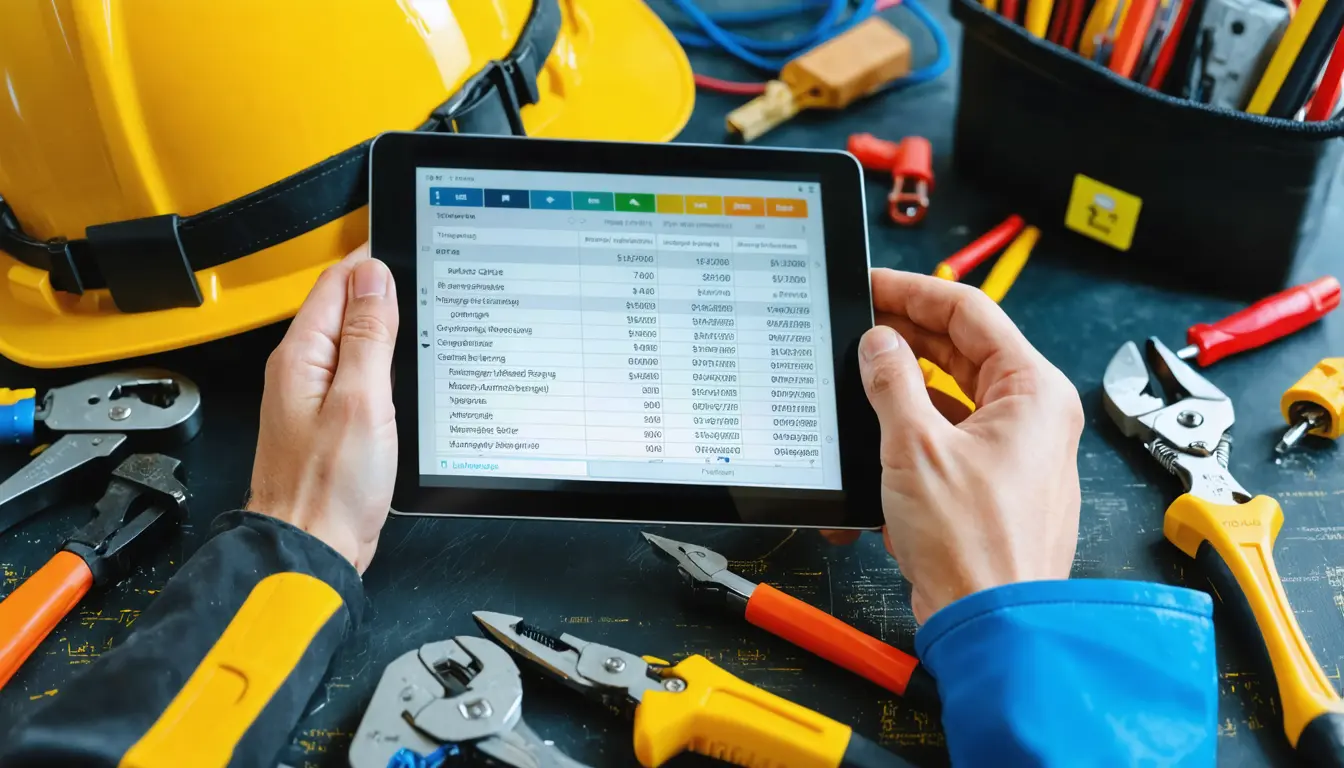
Case studies from UK electricians illustrate the transformative impact that digital tools have had on estimating practices. One striking example comes from a small electrical contracting firm based in London. The company adopted electrical estimating software UK to streamline its processes and quickly saw a marked improvement in both efficiency and accuracy. Before implementation, the firm struggled with lengthy manual estimates, which often resulted in delays and inaccuracies. After switching to digital tools, they reduced their estimation turnaround time by 50%, allowing them to take on more projects and increase their revenue significantly.
Another notable success story involves a larger electrical installation company in Birmingham that utilized cloud-based estimation software to enhance collaboration among team members. By integrating their field teams with office staff in real-time, they improved communication and ensured that all estimates were complete and accurate. This integration allowed the company to handle larger projects without a hitch, and they reported a 30% increase in successful bid acceptance rates within the first year of using the software.
In a more rural setting, an electrician operating in Manchester faced challenges when navigating the logistics of multiple sites. Their traditional methods often resulted in missed costs or overlooked details, which undermined profitability. After implementing estimation software, they could input on-site conditions directly into the system and generate comprehensive estimates tailored to the unique needs of each project. This newfound precision led to a 40% decrease in project overruns, reinforcing the value of accurate real-time estimates.
Additionally, a regional electrical service provider specializing in residential projects utilized estimation software to refine its pricing strategies based on historical data. By analyzing past project costs through their software, the electrician identified patterns and adjusted their pricing accordingly, ensuring competitiveness without sacrificing margins. This strategic shift resulted in a substantial increase in their customer base and overall profitability, showcasing the effectiveness of data-driven decision-making in the industry.
These case studies collectively highlight how UK electricians have harnessed digital tools to enhance their estimation processes significantly. By employing electrical estimating software UK, these professionals improved accuracy, increased efficiency, and ultimately achieved greater financial success in their projects. The success stories not only demonstrate the potential of digital transformation but also serve as a beacon for others in the industry looking to adopt similar technologies.
Future Trends in Electrical Estimation Technology
The future of electrical estimation technology is set to be shaped by advancements in artificial intelligence, machine learning, and augmented reality. As these technologies continue to develop, they will likely play a pivotal role in refining how electricians generate estimates. AI-driven tools can analyze vast datasets to provide predictive insights, which will enable electricians to foresee potential project challenges and adapt their estimates accordingly. This form of proactive analysis not only enhances accuracy but also allows for more strategic planning, ultimately driving increased profitability.
Machine learning algorithms can assist in understanding trends in pricing and resource allocation, helping electricians optimize their bids based on current market conditions. By learning from previous projects, these algorithms can suggest standard pricing models that take into account a variety of factors, such as labor costs, material availability, and project complexity. This capability will reduce the possibility of human error and ensure that estimates are consistently aligned with the market realities.
Augmented reality (AR) is another exciting trend that has the potential to revolutionize estimating processes. Electricians may soon use AR glasses or mobile apps to visualize electrical systems within a space before undertaking a project. By overlaying digital information on physical environments, electricians can better assess the scope of work required, leading to more accurate estimates. Such technology would allow for on-the-spot adjustments based on visual feedback, further minimizing the risk of cost overruns.
Moreover, the integration of blockchain technology in electrical estimating software UK could enhance transparency and trust among stakeholders. Blockchain can provide a secure and immutable ledger for project transactions, ensuring that all financial exchanges related to estimates and contracts are documented and verifiable. This reliability will not only pave the way for clearer communication but also help prevent disputes that can arise during the project lifecycle.
Lastly, as sustainability becomes a critical focus in construction and electrical work, digital tools will increasingly integrate features that accommodate eco-friendly practices. Estimation software is likely to evolve to include options for evaluating energy efficiency and environmental impact, allowing electricians to make informed decisions that align with green building standards. This shift will not only help meet regulatory requirements but also resonate with a growing number of clients who prioritize sustainability in their projects.
The future trends in electrical estimation technology promise to enhance the precision, efficiency, and reliability of estimates, empowering electricians to navigate increasingly complex projects with confidence. As these digital tools continue to evolve, the electricians leveraging them will likely experience significant advantages in a competitive market.


