








Small Trades Teams Use Reporting Tools to Track KPI Performance
KPI performance metrics are essential for small trades teams seeking to enhance their operational efficiency and profitability. These metrics provide quantitative measures that help businesses assess their performance regarding various objectives, such as sales growth, customer satisfaction, and project delivery times. Understanding these metrics begins with defining what key performance indicators (KPIs) are most relevant to specific business goals. For trades businesses, common KPIs might include the number of completed projects, average job completion time, and customer referrals. Each of these indicators provides insights into how well the team is functioning and where improvements can be made.
New in this topic: Why UK Roofing Contractors Use Job Apps to Grow.
In the UK, a trades KPI tracker can aid teams in visualizing their performance over time. By regularly reviewing these metrics, small trades businesses can identify trends, pinpoint areas that require attention, and make informed decisions based on data rather than instinct. Utilizing a KPI tracker allows teams not only to maintain accountability but also to foster a culture of continuous improvement. They can see real-time data that reflects their performance, enabling prompt adjustments when necessary.
Further, the effectiveness of KPIs can be amplified by aligning them with broader business objectives. For instance, if a small trades team aims to increase profitability, they may choose to track KPIs related to cost management and revenue generation. This alignment ensures that every team member understands their impact on the overall business goals, ultimately leading to a more cohesive and motivated workforce. Ultimately, a keen understanding of these metrics equips small trades teams with the knowledge to drive growth and adapt to changing market demands.
Importance of Reporting Tools in Small Trades
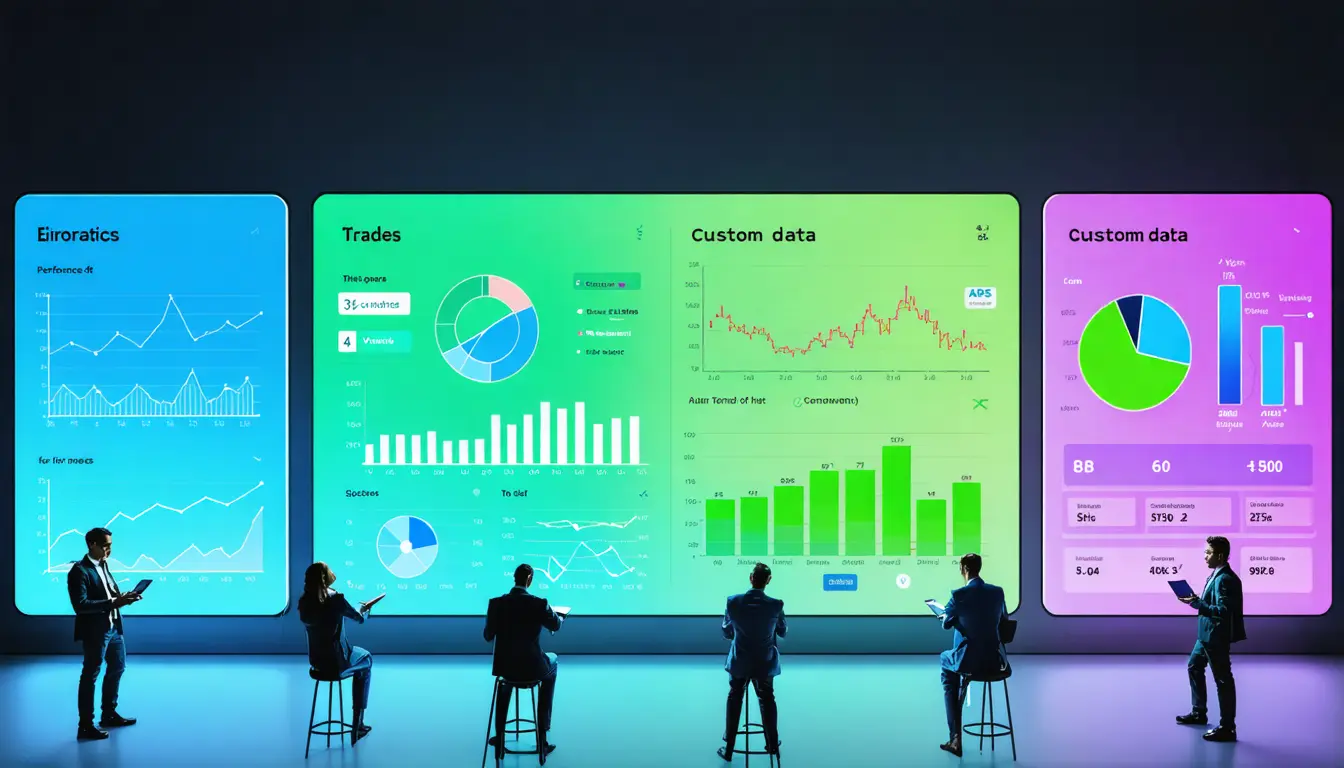
In the competitive landscape of small trades, the role of reporting tools cannot be understated. These tools allow teams to convert complex data into visually digestible formats, making comprehension and communication of performance metrics more accessible. For small trades teams, leveraging these reporting tools can significantly streamline operations, enhance collaboration, and inform strategic planning. The immediacy of insight provided by these tools fosters an environment where data-driven decisions are the norm rather than the exception.
Moreover, with the help of a trades KPI tracker UK, small trades teams can monitor their performance in real time. This capability is vital in a field where timely adjustments can lead to significant improvements in efficiency and customer satisfaction. By having access to up-to-date information about their KPIs, teams can quickly identify deviations from their goals and enact corrective measures. This agility is particularly important in the trades sector, where project timelines and customer demands can shift rapidly.
Furthermore, reporting tools facilitate transparency and accountability within the team. When everyone has access to the same data, it encourages a collective responsibility towards achieving shared objectives. Team members can see how their individual contributions impact overall performance, promoting a sense of ownership and commitment to improving results. For small trades teams, fostering an environment that values accountability and transparency through effective reporting tools can catalyze their growth and success.
Ultimately, the importance of reporting tools extends beyond mere data collection; they are critical enablers of strategic insight. By utilizing these tools to track and analyze KPIs consistently, small trades teams can enjoy enhanced performance, drive growth, and maintain a competitive edge in their market. The combination of accurate data representation, real-time tracking, and improved collaboration lays the foundation for informed decision-making and operational excellence in the trades industry.

Best Reporting Tools for Tracking KPIs
When it comes to effectively tracking KPIs, small trades teams have access to a variety of reporting tools designed to simplify data management and enhance performance analysis. Among the leading tools in this sphere, trades KPI tracker UK solutions stand out for their ability to offer tailored features that address the unique challenges faced by smaller enterprises in the trades sector. These tools facilitate real-time monitoring of key performance indicators, ensuring that teams can respond promptly to emerging trends and challenges.
One notable option is dashboard software that integrates multiple data sources, allowing teams to visualize their KPIs in a consolidated manner. This type of reporting tool employs graphical representations such as charts and graphs that provide immediate insights, making it easy for team members to understand their performance metrics at a glance. This visual approach not only enhances comprehension but also allows for quick identification of areas that may require attention or improvement.
Cloud-based reporting platforms are also gaining popularity among small trades teams due to their accessibility and collaborative features. With these tools, team members can access KPI data from anywhere, which is particularly beneficial for trades teams that may be dispersed across multiple job sites. The ability to update and share information in real-time fosters better communication and ensures that all team members are aligned with the current status of their performance metrics.
Additionally, some reporting tools come equipped with automation capabilities, which can significantly reduce the time spent on manual data entry and reporting. By automating data collection and report generation, trades teams can focus more on analyzing the information rather than just gathering it. This efficiency not only saves time but also enhances the accuracy of the data, leading to more informed decision-making based on reliable metrics.
Another advantage of using dedicated reporting tools is the ability to customize KPIs according to the specific objectives of the trades team. Many modern reporting solutions allow users to define their own KPIs, enabling them to track the most relevant metrics that align with their business goals. This customizable approach ensures that small trades teams can monitor what’s important to them, ensuring that the data they are tracking yields insights that drive growth and operational effectiveness.
The integration capabilities of many reporting tools allow for seamless connection with other business management systems, such as accounting or project management software. This connection not only enriches the data available for KPI tracking but also helps in developing a comprehensive view of the business performance across different functions. For small trades teams looking to leverage data for strategic advantage, selecting an appropriate reporting tool is a critical step towards achieving enhanced accountability and long-term success.
Strategies for Effective KPI Monitoring

To effectively monitor KPIs, small trades teams must implement a structured approach that emphasizes regular reviews, timely adjustments, and open communication. One of the first strategies to consider is establishing a routine for reviewing KPI metrics. Frequent check-ins—whether weekly or monthly—allow teams to stay connected with their performance data. By setting aside dedicated time to analyze the results, teams can identify trends, celebrate successes, and swiftly address any emerging issues. This systematic review process encourages proactive management rather than reactive decision-making, which can enhance overall performance.
Leveraging the capabilities of a trades KPI tracker UK can significantly enhance the strategy of KPI monitoring. These tools often include automated notifications and alerts that inform teams of significant changes or deviations in their KPIs, enabling quick responses to potential challenges. For instance, if a team’s average job completion time exceeds predetermined targets, immediate alerts can prompt discussions on operational bottlenecks or resource reallocation. This immediacy aids teams in remaining agile and adaptable in the face of changing project dynamics.
Additionally, fostering a culture of transparency within the team can greatly benefit KPI monitoring efforts. Openly sharing KPI results among team members creates a sense of shared ownership and accountability. When all team members understand the KPIs being tracked, as well as their individual contributions towards achieving these metrics, it motivates them to work collectively towards common objectives. Regular team meetings to discuss progress on KPIs can facilitate this transparency, allowing team members to share insights, contribute ideas for improvement, and inspire one another to perform at their best.
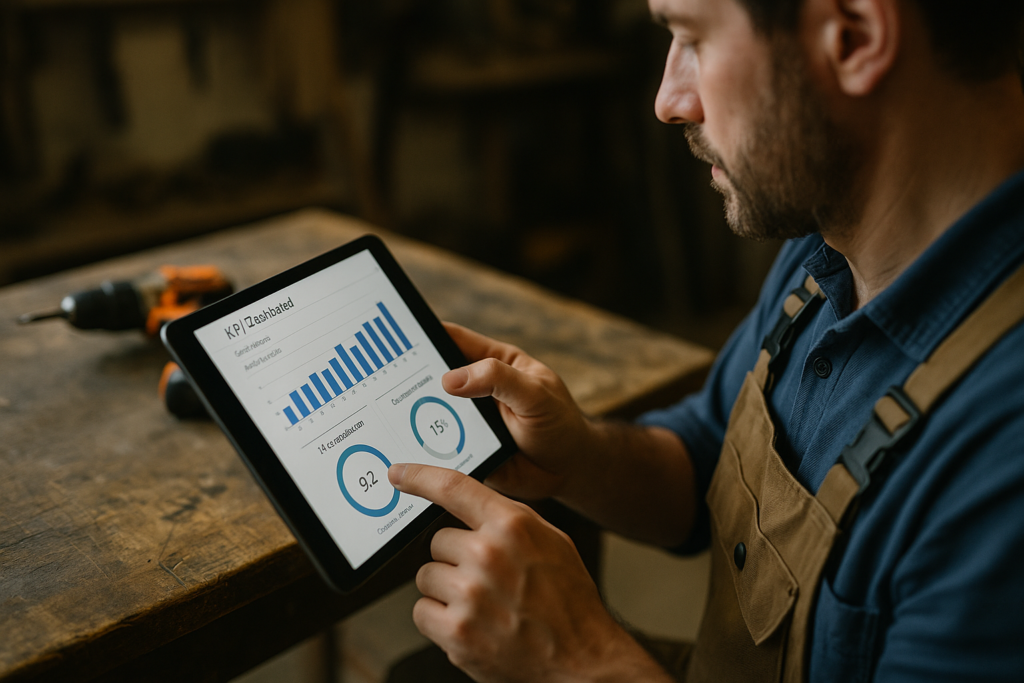
Incorporating visual tools such as dashboards is another effective strategy for KPI monitoring. Visual representations of data can enhance understanding and retention, enabling team members to grasp their performance metrics quickly. Dashboards that consolidate key KPIs in one view allow trades teams to identify patterns and outliers at a glance. This visual engagement with data can lead to more informed discussions during team meetings regarding the direction of ongoing projects and resource allocation, ultimately leading to improved performance outcomes.
Continuous feedback mechanisms also play a crucial role in KPI monitoring. Encouraging team members to provide input on the challenges they face and the resources they need to succeed fosters an environment where improvement is not only expected but facilitated. This creates an ongoing dialogue about performance, where adjustments to strategies can be made based on real-time feedback. By incorporating insights from team members who are directly involved in the trades, leaders can make more informed decisions about how to support their teams effectively.
Integrating reporting tools with existing management systems is essential for maximizing KPI monitoring efficacy. Tools that allow seamless data integration across different platforms—such as project management, customer relationship management, and financial software—enable teams to have a unified view of their performance. This holistic approach ensures that all relevant data is considered when evaluating KPIs, thereby enhancing decision-making processes and strategic planning efforts within small trades teams.
Case Studies: Success Stories from Small Trades Teams
Several small trades teams have successfully integrated reporting tools to enhance their KPI performance, showcasing the transformative effects of data-driven decision-making. For instance, a plumbing service based in London implemented a comprehensive trades KPI tracker UK, allowing them to monitor various metrics, including customer satisfaction, job completion times, and revenue per project. By visualizing these KPIs through user-friendly dashboards, the team was able to identify a pattern of prolonged completion times on specific job types. This insight prompted them to reassess their processes and allocate more resources toward training for those areas, ultimately resulting in a significant reduction in job completion times and a corresponding increase in customer satisfaction ratings.
Another case involves an electrical contracting firm that adopted a cloud-based reporting tool to streamline its operations. The firm noticed that tracking time spent on projects was irregular, leading to billing discrepancies and weak profitability. By utilizing the trades KPI tracker UK, the company implemented time tracking as a KPI, enabling real-time updates and tracking against budgets. This led to more accurate billing and improved overall project management. The firm’s management reported a 25% increase in profitability within six months of adopting the tool, primarily due to their new capability to analyze and optimize their time allocation across projects.
A landscaping business also transformed its operations by integrating a reporting tool that offered automated performance alerts. This company focused on KPIs such as project turn-around times and seasonal customer patterns. When the reporting tool flagged a drop in sales during the usual peak season, the team quickly initiated targeted marketing campaigns to attract new clients. As a result, they managed to mitigate losses and even exceed their sales targets for that season. The proactive approach facilitated by the reporting tool not only salvaged potential revenue but also strengthened the team’s commitment to leveraging data for strategic planning.
These success stories illustrate the significant impact that appropriate reporting tools can have on small trades teams. By embracing technology and focusing on their KPIs, these businesses have been able to enhance their decision-making processes, improve operational efficiencies, and achieve substantial growth. The ability to receive real-time insights allows them to remain agile in an ever-changing market, ultimately fostering a culture of continuous improvement and success within their teams.


