








The Locksmith’s Guide to Managing Emergency Callouts
In the locksmith industry, quick response times are crucial for both customer satisfaction and business success. When a client faces a lockout or other urgent situation, their expectation for a rapid resolution is high. A locksmith’s ability to arrive promptly can significantly impact their reputation and lead to repeat business and referrals. Utilizing locksmith business software can streamline operations, allowing for faster dispatch and better tracking of response times. This effectiveness not only enhances customer experience but also enables locksmiths to manage their workload efficiently, ensuring that no call is overlooked. Quick response times can also provide a competitive edge in a market where reliability and speed are often key deciding factors for clients choosing a locksmith service.
New in this topic: How Drainage Companies Manage Reactive and Planned Work.
Tools and equipment for emergency callouts
To effectively handle emergency callouts, a locksmith must be equipped with a selection of essential tools and equipment. The right gear not only facilitates faster, more efficient service but also ensures that a locksmith can address a wide range of urgent needs. Key among these tools are portable lock picking sets, which should include various picks and tension wrenches to handle different types of locks. Additionally, an essential part of the toolkit is an assortment of lockout tools, such as slim jims and Wrecking bars, designed to open car doors without causing damage.
Having a reliable power drill is crucial for situations that require lock replacement or rekeying on the spot. The drill should be lightweight yet powerful, enabling locksmiths to work quickly and efficiently. A robust set of replacement locks in various styles and brands allows for immediate service without the need for a follow-up appointment, which can be frustrating for clients.
Moreover, the integration of locksmith business software into daily operations can be a game-changer. Such software often includes inventory management features that help locksmiths keep track of tools and equipment, ensuring they are always prepared for any emergency that arises. It can also assist in scheduling and dispatching, allowing for a streamlined workflow that maximizes productivity and minimizes delays.
Personal protective equipment (PPE) is also an important consideration. Safety goggles, gloves, and high-visibility vests not only protect the locksmith but also convey professionalism to customers. In addition, having a reliable vehicle that is well maintained can significantly impact response times. A well-equipped vehicle should contain all necessary equipment and tools, organized for easy access, which is vital when time is of the essence.
Investing in high-quality tools and maintaining an organized system can significantly enhance service delivery, contributing to a locksmith’s reputation as a reliable emergency service provider.

Effective communication with clients
Effective communication with clients during emergency situations is paramount to providing exceptional service and maintaining a strong reputation in the locksmith industry. When clients call for help, they are often stressed and anxious, facing critical issues that require immediate attention. Therefore, establishing clear and empathetic communication can greatly enhance their experience. Firstly, it’s essential to listen actively to the client’s concerns. This not only helps in understanding the specifics of the situation but also reassures the client that their needs are being prioritized. By asking open-ended questions, locksmiths can gather pertinent details that will aid in assessing the urgency and nature of the callout.
Furthermore, setting clear expectations regarding response times is vital. Clients appreciate transparency; by informing them about estimated arrival times and any potential delays, locksmiths can build trust and minimize frustration. This is where the integration of locksmith business software becomes invaluable. Such software can provide real-time dispatch information, allowing locksmiths to accurately relay updates to clients, thus keeping them informed throughout the process. Additionally, utilizing a customer relationship management (CRM) system can help maintain communication history, making it easier to follow up with clients after the job is complete.
Moreover, it’s important to communicate professionally and courteously at all times. A calm demeanor can help diffuse any tension arising from the client’s emergency situation. Providing valuable advice during the initial call, such as safety precautions or temporary fix options, can also empower clients while they wait for assistance. Once on-site, locksmiths should continue to engage with clients actively, explaining their approach and addressing any questions or concerns that may arise. This level of interaction not only fosters a positive customer relationship but also enhances the client’s trust in the locksmith’s skills and expertise.
Post-service communication is equally important. Following up with clients after the completion of the job is an excellent opportunity to gather feedback and reinforce a positive experience. A simple call or message to ensure everything is functioning properly demonstrates commitment to customer satisfaction and can lead to repeat business or referrals. By continually honing communication skills and leveraging technology appropriately, locksmiths can significantly improve their emergency callout services and ensure that they leave a lasting, positive impression on every client.
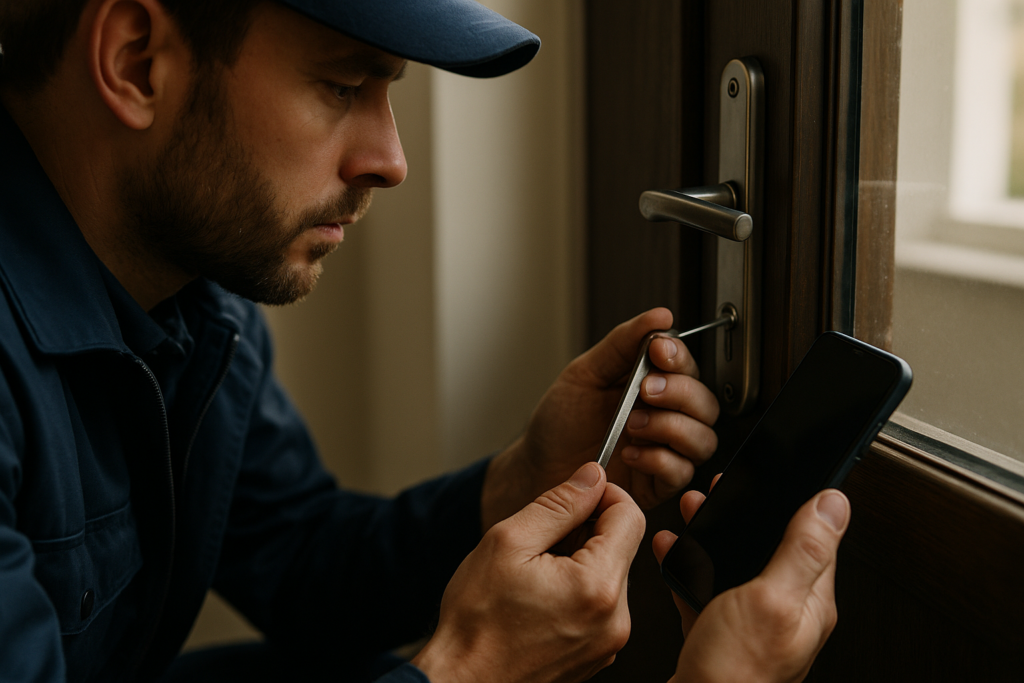
Safety protocols during emergency situations
In emergency situations, adhering to strict safety protocols is essential to ensure the well-being of both the locksmith and the client. The chaotic nature of emergency callouts can often lead to hasty decisions that compromise safety, therefore having a structured approach to safety is critical. First and foremost, conducting a risk assessment upon arrival at the site is vital. This involves evaluating the environment for hazards, such as traffic, unstable structures, or potentially dangerous situations involving clients or bystanders. Recognizing these risks allows locksmiths to take necessary precautions, such as positioning their vehicle safely to avoid traffic or using warning signs to alert passersby to the ongoing work.
Personal protective equipment (PPE) plays an integral role in safeguarding locksmiths during emergency procedures. Wearing gloves, safety goggles, and steel-toed boots not only provides physical protection but also instills confidence in clients who witness the professionalism being demonstrated. Additionally, locksmiths should ensure their tools are in good working order and properly maintained, as malfunctioning equipment can pose safety risks during urgent situations. For instance, a faulty power drill may lead to accidents or delay response times, further exacerbating the client’s distress.
Effective communication about safety is another critical aspect to consider. Once on-site, locksmiths should clearly explain their steps to the client, ensuring they understand what to expect throughout the process. This can alleviate anxiety for the client while also setting a safety standard that should be maintained during the emergency response. In cases where additional personnel may be required, such as working in potentially dangerous conditions, it’s essential to ensure that all team members are aware of their roles and responsibilities, fostering a collaborative approach to safety.
Moreover, it is important to stay updated with the latest safety standards and regulations within the locksmith industry. Engaging in ongoing training and workshops enhances the skills necessary to manage emergencies safely. Many locksmiths utilize locksmith business software that includes safety management features, which can help track safety protocols and provide reminders for necessary safety equipment. Utilizing comprehensive safety checklists during emergencies also helps ensure that no detail is overlooked and that all procedures comply with industry standards.
Post-call evaluation is crucial for continuous improvement. After addressing the emergency, locksmiths should reflect on the safety measures taken during the callout to determine if any adjustments are needed for future responses. Feedback from clients can also be invaluable, shedding light on their perceptions of safety during the process. By fostering a culture of safety, locksmiths can enhance their service quality, ensuring that clients not only receive quick assistance but also feel secure throughout the interaction.
Managing and prioritizing multiple callouts
Managing and prioritizing multiple callouts is a crucial skill for any locksmith dealing with emergency situations. Given the unpredictable nature of emergency calls, a locksmith must develop effective strategies to ensure timely service without compromising quality. The first step in this process is clear organization. Utilizing locksmith business software can greatly aid in scheduling and tracking multiple callouts, allowing locksmiths to have a visual representation of their commitments throughout the day. This software can sort calls by urgency, location, and type of service needed, helping locksmiths make informed decisions on which callouts to prioritize first.
When faced with several requests, assessing the nature of each call is paramount. For example, a lockout situation may require immediate attention over a routine lock repair. By quickly evaluating the details provided by the client, locksmiths can determine which call poses the greatest urgency. Communicating effectively with clients about estimated arrival times is also essential, as it fosters understanding when delays are unavoidable due to the volume of calls. Having a structured response strategy can lead to smoother operations; for example, if a locksmith can delegate certain tasks or rely on a trusted colleague during peak times, the service can continue without excessive delays.
Furthermore, maintaining a good network of contacts is invaluable. Building relationships with other local locksmiths can provide options for collaboration during busy periods. If one locksmith is overwhelmed, referring clients to a trusted peer can ensure that service levels remain high while managing personal workloads. Additionally, integrating location tracking features in locksmith business software can optimize route planning, enabling locksmiths to minimize travel time between jobs and handle more callouts in a shorter period.
Time management techniques also play a significant role in handling multiple emergencies. Implementing a prioritization matrix can assist locksmiths in making quick decisions about which jobs to tackle first. This involves categorizing calls based on urgency and importance—resulting in a more efficient response approach. Another effective strategy is to set time limits for each job, as this can help locksmiths stay focused and motivated, allowing for rapid service while ensuring quality workmanship.
As emergencies can arise unexpectedly, developing a flexible mindset is crucial. Sometimes, situations may change rapidly; therefore, being prepared to adjust schedules and priorities accordingly is essential for success. Regularly reviewing and refining operational processes can also enhance efficiency over time. Ultimately, sound management of multiple callouts relies on a combination of effective communication, strategic organization, and the wise use of technology, empowering locksmiths to deliver exceptional service even during the busiest of times.


