








Joinery Teams Use Inventory Apps to Track Stock
Joinery professionals are increasingly adopting inventory apps to streamline their operations and manage stock more effectively. These digital tools are tailored to the specific needs of woodworkers, cabinet makers, and other joinery specialists, allowing for real-time tracking of materials. Joinery inventory software UK has become particularly popular, providing features that cater to the unique aspects of joinery work. By using these applications, teams can monitor stock levels, reduce waste, and ensure that they have the right materials on hand for each project. Furthermore, inventory apps facilitate easier communication between team members, enabling them to update stock information on-the-go and collaborate more efficiently. The move towards digital inventory management is not just a trend; it reflects a significant shift in how joinery businesses operate, making them more agile and responsive to client needs.
New in this topic: Top 12 Job Costing Tricks for UK Construction Firms.
Benefits of Digital Stock Management
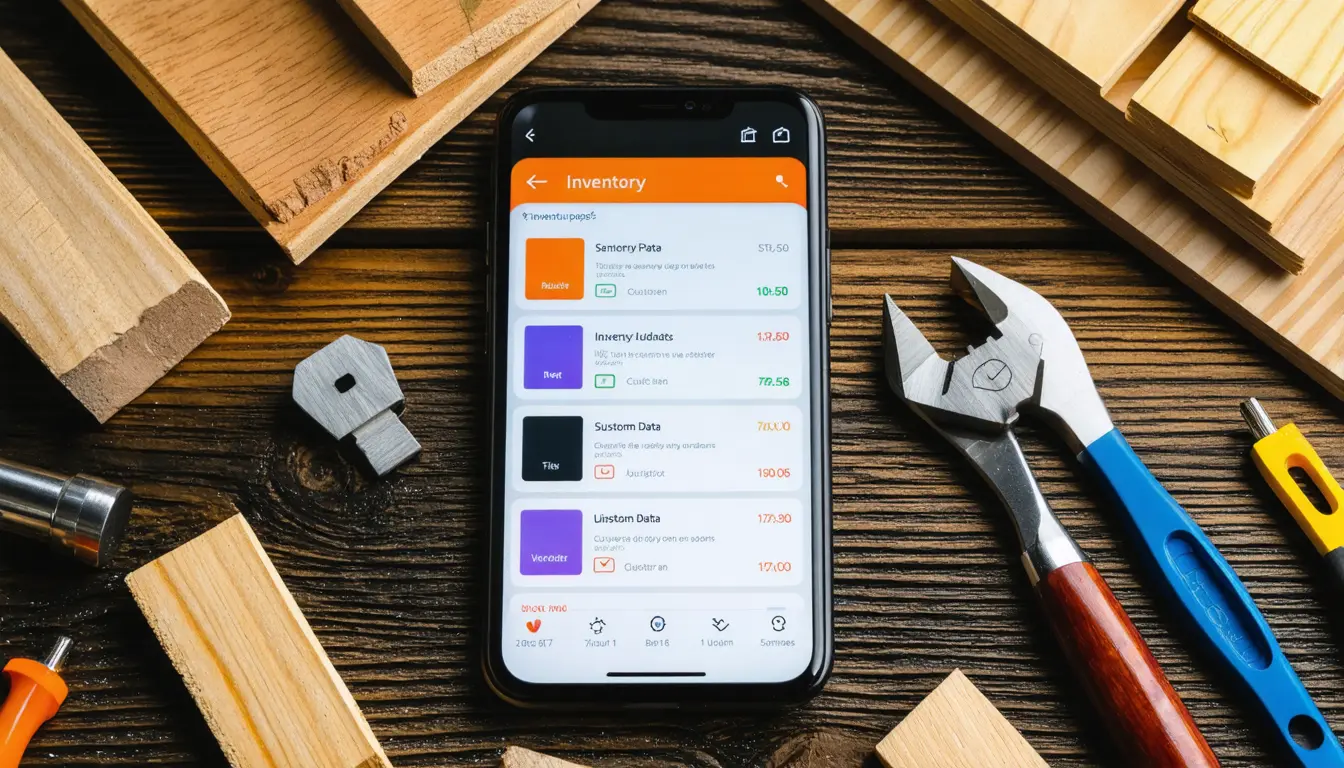
Digital stock management offers a multitude of advantages for joinery teams looking to enhance their operational efficiency. One of the primary benefits is the significant reduction in errors associated with manual inventory handling. Traditional methods often lead to discrepancies due to human oversight, but with inventory apps, real-time data updates ensure accurate tracking of materials. This accuracy not only bolsters confidence in stock levels but also minimizes the risks of project delays caused by supply shortages.
Moreover, the use of joinery inventory software UK allows teams to automate reordering processes. By setting predetermined thresholds for stock levels, the software can generate purchase orders automatically when supplies run low, ensuring that woodworkers have consistent access to the materials needed for their projects without the constant need for manual checks. This system enhances productivity, as it frees up time that team members would otherwise spend on inventory management tasks.
Another noteworthy benefit is the enhanced analytics capabilities these apps provide. By compiling data on usage trends, seasonal demands, and project timelines, joinery businesses can make informed decisions about their purchasing strategies and material management. This analytical approach enables teams to optimize their inventory, reducing excess stock and cutting down on storage costs while ensuring that they are always prepared for upcoming projects.
Collaboration among team members is also improved through digital solutions, as inventory apps typically include cloud-based functionalities that allow for access from various devices. This feature is crucial for joinery teams, where multiple members may need to reference stock levels or adjust orders during a project phase. With digital management, everyone stays informed and aligned, thus enhancing teamwork and overall project execution.

Key Features of Inventory Applications
When evaluating inventory applications, joinery professionals should consider several key features that make these tools essential for effective stock management. One of the standout features is real-time inventory tracking, which allows joiners to see current stock levels at any moment. This capability helps maintain optimal inventory levels, ensuring that materials are readily available when needed. Integrated barcode scanning is another critical feature, enabling teams to quickly log materials in and out of stock. This technology reduces manual data entry errors and speeds up inventory processes considerably.
Additionally, effective inventory applications should offer customizable reporting options. These reports can provide insights into stock usage trends, identifying which materials are being used most frequently and which are less in demand. Joinery inventory software UK often includes built-in analytics tools that can assist businesses in making strategic purchasing decisions based on historical data. By understanding which items tend to run low, teams can tailor their reordering schedules and prevent delays in project timelines.
Another significant feature is the ability to set automated alerts and notifications. These alerts can notify team members when stock levels fall below a designated threshold, prompting timely reordering before materials run out. This proactive approach helps maintain continuity in workflows and reduces the likelihood of project interruptions due to supply shortages.
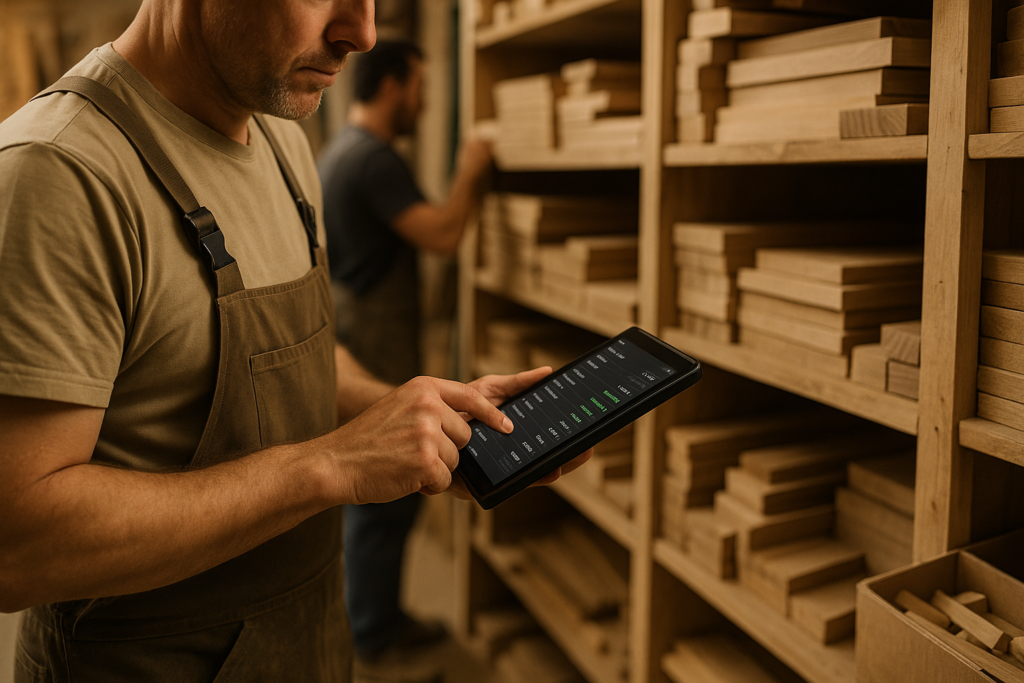
Moreover, mobile accessibility stands out as a necessary feature for joinery teams that work in various locations. Many inventory applications come equipped with mobile platforms, allowing users to access stock information from smartphones or tablets while on-site. This portability means that team members can input data, check inventory levels, or communicate with suppliers without needing to return to a central office, thereby improving efficiency and responsiveness.
Integration capabilities with other tools and software are crucial. Joinery inventory software UK should seamlessly connect with accounting systems, project management tools, and supplier databases. This integration helps create a cohesive workflow where inventory management aligns with financial tracking and project planning, ensuring that all aspects of the business work together harmoniously.
Case Studies: Successful Implementation
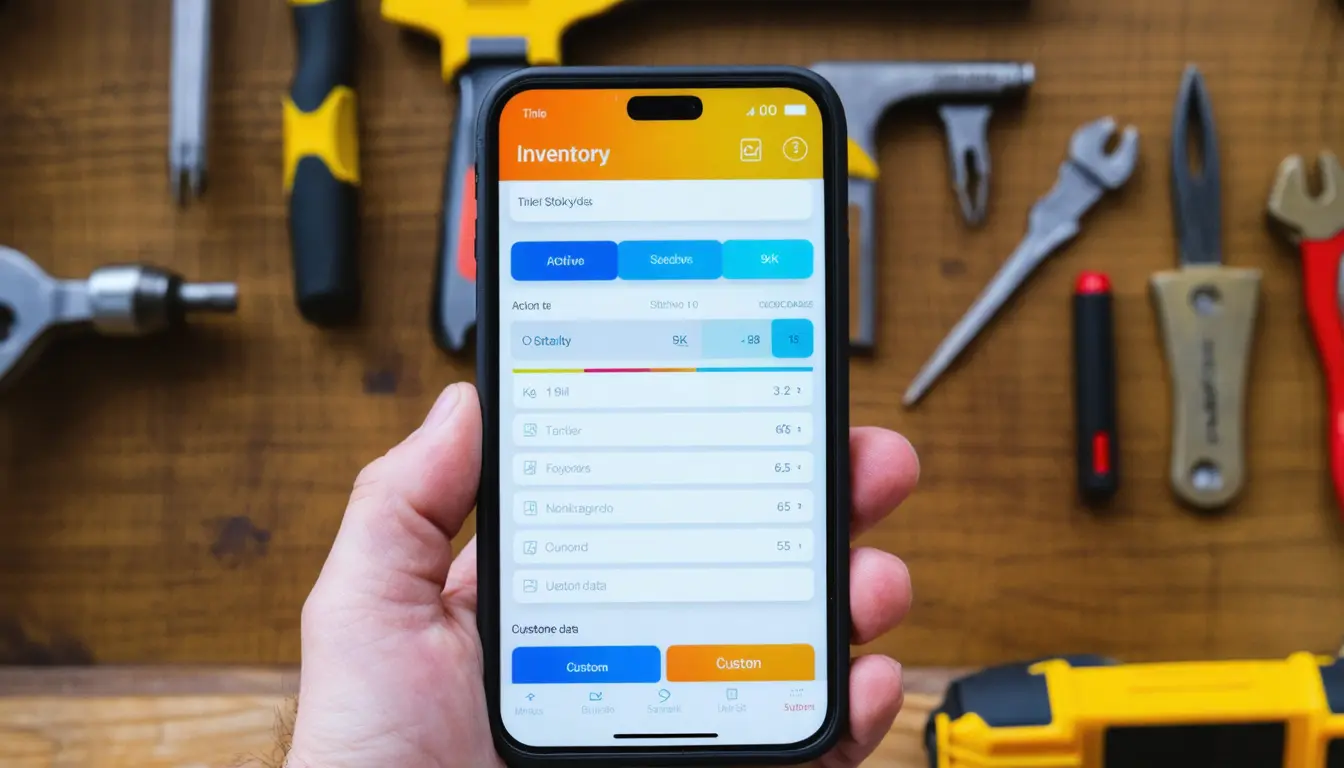
To illustrate the successful implementation of inventory apps in joinery, several case studies provide valuable insights into how businesses have transformed their operations. For instance, a mid-sized cabinet-making company in the UK adopted joinery inventory software UK to streamline their stock management. Prior to the implementation, they faced challenges with frequent stockouts and over-ordering due to outdated manual tracking methods. After integrating the inventory app, the company reported a 30% reduction in inventory costs within the first six months. The app’s real-time tracking feature enabled them to monitor stock levels accurately, ensuring that the right materials were available at the right time.
Another compelling example involves a large-scale joinery firm that decided to leverage inventory apps to enhance its operational efficiency across multiple sites. By utilizing a cloud-based inventory management system, the company was able to provide all its teams with access to central stock data, regardless of their location. This accessibility led to improved communication and coordination among teams, resulting in a noticeable reduction in delivery times and an increase in project turnaround. Feedback from the teams highlighted that the automated alerts for low stock levels had prevented delays that had previously become a commonplace issue.
A family-owned business specializing in bespoke furniture also showcased significant success after implementing a tailored joinery inventory software UK. Before the app, their inventory processes were cumbersome, leading to mismatches in stock, waste due to spoilage, and ultimately lost sales. After the switch, they gained new insights into their material usage patterns through the app’s analytics features. With this knowledge, they made better buying decisions, reduced excess inventory, and improved sustainability measures by minimizing waste, aligning their operations more closely with customer demands.
These case studies exemplify how the strategic adoption of inventory management applications not only solves immediate operational issues but also facilitates long-term growth and adaptation within the competitive joinery sector. By showcasing real-world applications, other firms can envision the transformative effect of digital inventory solutions on their own practices, emphasizing the need for innovative approaches in an ever-evolving industry.
Future Trends in Joinery Inventory Management
As the joinery industry continues to evolve, the future of inventory management is increasingly intertwined with advancements in technology. Emerging trends suggest a significant shift towards greater automation and integration of artificial intelligence (AI) within joinery inventory software UK. This transition is likely to enhance predictive analytics capabilities, allowing businesses to forecast their stock needs more accurately based on historical usage patterns, seasonal fluctuations, and market trends. With the incorporation of machine learning algorithms, these applications will learn from past data, facilitating smarter inventory decisions that could reduce costs and optimize stock levels even further.
Another notable trend is the rise of Internet of Things (IoT) technology in inventory management. Smart sensors and connected devices are expected to play a pivotal role in real-time stock monitoring and management. Joinery teams may benefit from IoT-enabled solutions that track material usage and condition, providing timely alerts for reordering, potential spoilage, or stock discrepancies. This level of automation not only streamlines operations but also enhances overall resource management, ensuring that businesses can maintain efficient workflows.
Moreover, the increasing focus on sustainability in the joinery sector is set to influence inventory management practices. Future software solutions may incorporate environmentally focused features, aiding businesses in tracking not just their stock levels, but also the environmental impact of their material usage. This could involve analyzing the carbon footprint associated with different types of wood or materials and providing recommendations for sourcing eco-friendlier options. As sustainability becomes a priority, joinery inventory software UK that aligns with these values will be crucial in meeting both regulatory requirements and consumer expectations.
Collaboration with suppliers through integrated platforms is also anticipated to become more prevalent. Future inventory applications may offer enhanced features for seamless communication and collaboration with vendors, enabling joinery teams to manage their supply chains more effectively. This integration can ensure timely deliveries and proactive management of stock levels, further contributing to the efficiency and competitiveness of joinery businesses.
As mobile technology becomes increasingly ubiquitous, the demand for versatile mobile solutions in inventory management will rise. Applications that allow users to access real-time inventory data, update stock levels, and manage orders directly from their smartphones or tablets will likely become a standard expectation. This capability will not only support the needs of joinery teams working in various locations but also empower them to make quicker, informed decisions on the go, enhancing overall responsiveness in a fast-paced industry.


