






Small Trades Teams Standardise Estimates Using Templates
Standardization in trade estimates is crucial for ensuring consistency, accuracy, and efficiency across teams. When estimates are standardized, it minimizes discrepancies that can arise from individual interpretations of project requirements. By utilizing a trades estimate template app UK, teams can access pre-defined formats that guide them through the estimation process, ensuring that all necessary components are included and uniformly calculated. This consistency not only enhances the credibility of the estimates but also simplifies the communication among team members and stakeholders. Moreover, standardized estimates allow for easier comparisons between projects, enabling better resource allocation and project management. By adopting a standardized approach, teams can reduce errors and rework, leading to improved overall productivity. The importance of this process cannot be overstated, as it lays the foundation for effective project planning and execution.
New in this topic: Electricians Enhance Safety Audits With Digital Tools.
Developing Effective Templates
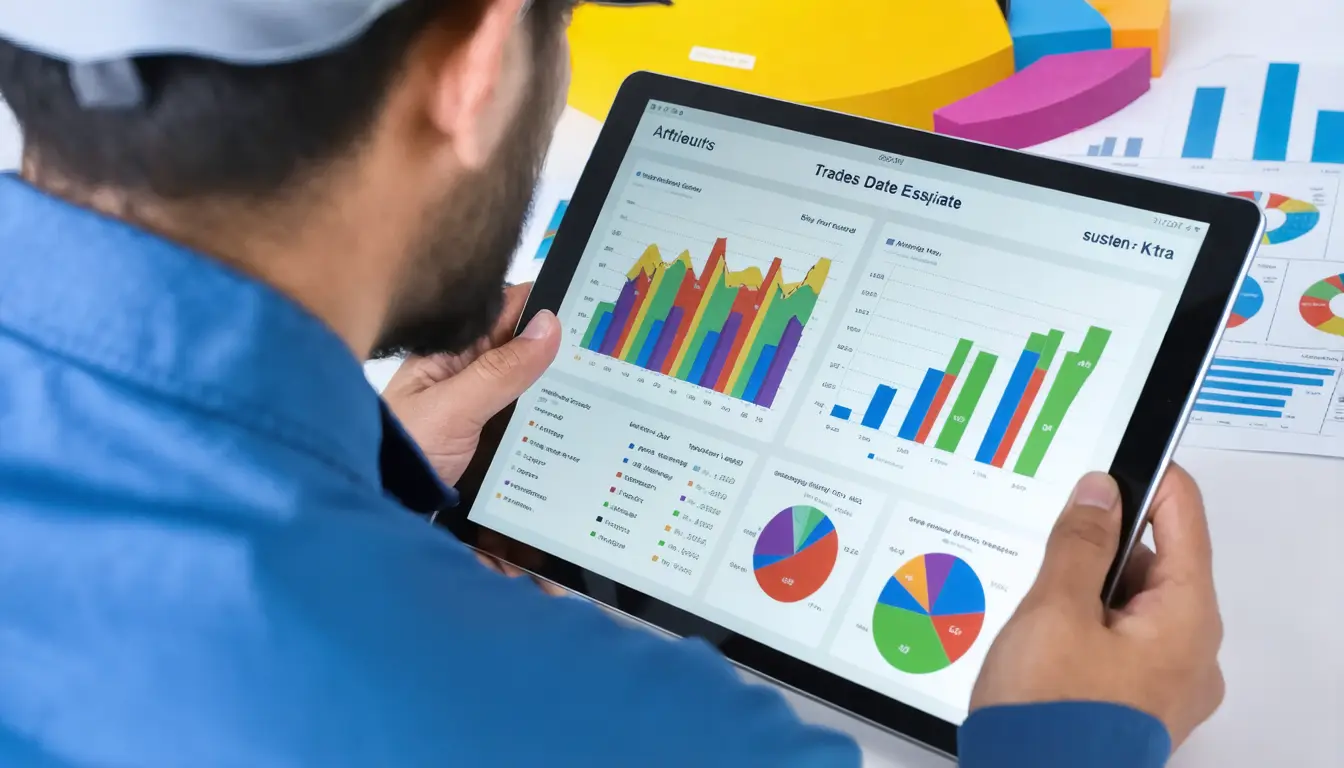
Creating effective templates for trade estimates requires careful consideration of various factors that influence both the accuracy and usability of the final product. Firstly, the templates should encompass all essential elements of trade estimates including project scope, materials, labor costs, and timelines. Each section must provide clear fields or prompts that guide users in entering relevant data, ensuring no critical information is overlooked. To enhance user engagement, templates should also maintain a visual clarity that allows team members to navigate them intuitively. Incorporating drop-down menus, checkboxes, and sliders can streamline the input process, thereby increasing efficiency.
Furthermore, it’s important to consider the diversity of projects that a trades estimate template app UK may be used for. Templates can be tailored with adaptive features that allow for customization based on project type, ensuring they remain relevant across different trades and contexts. For example, a construction template might look different from an electrical services template, reflecting the unique requirements and standards pertinent to each field.
Involving team members during the development phase can yield valuable insights, helping to shape templates that address the practical challenges they face in the estimation process. Conducting workshops or feedback sessions can highlight commonly encountered issues and allow users to suggest improvements. This collaborative approach not only leads to better-designed templates, but also increases buy-in from the team, fostering a culture of uniformity and collaboration.
Lastly, regular updates to the templates are essential to adapt to changing regulations, market conditions, and technological advancements. A dynamic template that reflects ongoing changes in the trade environment will ensure continued relevance and reliability in estimates. An agile approach to template development will ultimately enhance the efficiency and accuracy of trade estimates, solidifying the foundation for successful project execution.

Implementation Strategies for Teams
Implementing standardized templates within trade teams involves a structured approach to ensure that all members are aligned and effectively utilizing the resources available. One of the first steps is to conduct comprehensive training sessions where team members can familiarize themselves with the trades estimate template app UK. These sessions should cover not only how to use the templates but also the importance of adhering to standard protocols. Providing real-life scenarios and examples during training will help reinforce the application of the templates in practical contexts, making the learning experience more relatable and impactful.
Furthermore, fostering an environment of open communication is critical during the implementation phase. Team leads should encourage discussions around challenges faced while using templates. Establishing regular check-ins or feedback loops can help identify ongoing issues and areas for improvement. This feedback can then be used to update the templates, ensuring they remain user-friendly and effective. Teams should also be encouraged to share best practices and tips among themselves, promoting a collaborative spirit that enhances the overall efficacy of the estimation process.
Moreover, leveraging technology can significantly streamline the implementation strategy. Integrating the trades estimate template app UK with existing project management tools can create a seamless workflow where estimates are not only standardized but also easily accessible. Automation features, such as auto-calculation and pre-filled fields based on previous projects, can further accelerate the estimation process, reducing manual input and the potential for errors. Ensuring compatibility with various devices can also cater to field teams who may need access to estimates on-site.
Tracking the performance of the standardized estimates is vital. Setting key performance indicators (KPIs) allows teams to assess the accuracy and efficiency of estimates produced using the templates. Regularly reviewing these metrics can provide insights into how well the templates are functioning and whether they are being utilized effectively across different projects. By proactively addressing any shortcomings identified through this analysis, teams can continuously improve their estimation process, leading to better outcomes and enhanced project success rates.

Benefits of Using Standardized Templates

The adoption of standardized templates in trade estimates brings numerous benefits that greatly enhance the operational efficiency of teams. Firstly, these templates allow for streamlined processes, reducing the time spent on creating estimates from scratch. With a pre-defined structure, team members can focus on inputting accurate data rather than worrying about formatting and consistency. This efficiency translates to quicker turnaround times, ensuring that projects move forward without unnecessary delays.
Standardized templates also improve accuracy in estimates. By providing a consistent framework, the likelihood of omitting essential components or miscalculating expenses diminishes significantly. This reliability leads to more trustworthy estimates, which enhances the team’s credibility with clients and stakeholders. When clients receive precise and consistent figures, it builds their confidence in the team’s capability to manage projects effectively.
Another advantage is the facilitation of collaborative work among different team members and departments. When everyone uses the same standardized estimates, it becomes easier for team members to understand each other’s work. This uniformity promotes better collaboration and communication, as all parties are aligned on the same metrics and terminology. It eliminates the need for lengthy discussions to clarify discrepancies in estimates that arise from different formats or interpretations.
<pMoreover, using a trades estimate template app UK allows for easy data integration and historical analysis. Teams can readily compare current estimates with past projects, helping them identify trends, calculate averages, and adjust their strategies accordingly. This analytical capability fosters continuous improvement, as teams can refine their estimating techniques based on real-world outcomes and feedback. The insights gained can prove invaluable for future project planning and execution, enabling teams to make more informed decisions.
<pAdditionally, standardized templates aid in training new employees. New hires can quickly understand the estimation process, as they are guided by a clear and consistent template. This reduces the learning curve and allows for a more efficient onboarding process, ultimately contributing to the overall productivity of the team.
<pFinally, utilizing standardized templates helps in risk management. With clear and detailed estimates, teams can better anticipate potential challenges and shortcomings in project execution. Understanding where costs are allocated and the resources required allows teams to prepare adequately, reducing the risk of overruns and ensuring that projects stay within budget. In essence, standardized templates not only enhance immediate operational outcomes but also fortify the foundation for long-term success in trade estimation practices.
Future Outlook for Trade Estimation Practices
The future of trade estimation practices is poised for significant transformation, driven by advancements in technology and evolving industry standards. As the demand for quicker and more accurate estimates grows, the integration of automation and artificial intelligence into trades estimate template apps UK will become increasingly prevalent. These technologies will not only enhance the speed at which estimates are generated but also improve their accuracy by utilizing data analytics to inform and refine the estimation process.
Furthermore, there is a notable shift toward cloud-based solutions that facilitate real-time collaboration across teams and locations. By employing cloud-based trades estimate template apps UK, teams can access estimates from any device, allowing for seamless updates and changes no matter where team members are situated. This flexibility will empower teams to respond promptly to client requests and project adjustments, ultimately improving service delivery and client satisfaction.
The growing emphasis on sustainability and efficiency will also influence the future of trade estimation. As industries become more aware of their environmental impact, estimating practices will need to incorporate sustainable practices into their templates. This includes accounting for eco-friendly materials, waste reduction strategies, and energy-efficient solutions in cost calculations. Teams that embrace these considerations will not only align with regulatory requirements but also differentiate themselves in a competitive marketplace.
Moreover, as data becomes more accessible, the utilization of historical data and trend analysis within trades estimate template apps UK will improve the accuracy of future estimates. Teams will be able to benchmark their estimates against industry standards and leverage past performance data to create more informed, evidence-based projections. This analytical approach will help demystify the estimation process, making it more transparent for clients and stakeholders alike.
In addition, the ongoing development of user-friendly interfaces is essential for engaging team members with varying levels of technical expertise. The future will see template apps integrating intuitive features that streamline user experience, such as guided inputs, visual aids, and interactive elements. This simplification will not only enhance usability but will also attract a wider array of users to the technology, fostering greater standardization across the industry.
Lastly, as the trade landscape continues to evolve, the incorporation of feedback loops into trades estimate template apps UK will become imperative. Teams will need to establish mechanisms for collecting user feedback and adjusting templates accordingly. This ongoing refinement process will ensure that standardized templates remain relevant and effective, adapting to the changing needs of projects and markets. Through these advancements, the future of trade estimation practices will embody greater efficiency, accuracy, and adaptability, positioning teams for sustained success.


