








Top 14 Tools UK Builders Use for Quality Control
quality control in construction is paramount to ensuring that projects meet the required standards and regulations. In the UK, builders must adhere to specific quality control requirements that encompass various stages of construction. These requirements are designed to ensure not only the structural integrity of buildings but also compliance with health and safety regulations. Builders must conduct regular inspections and tests throughout the construction process to identify and rectify potential issues before final handover. This includes scrutiny of materials, workmanship, and adherence to design specifications. One critical aspect of quality control is the proper documentation of inspections and corrections made, which can increasingly rely on advanced technologies such as snagging software UK. This type of software aids builders in tracking issues, managing project timelines, and facilitating communication among stakeholders, thereby enhancing overall project quality and efficiency.
New in this topic: Plumbers Automate Estimates With Smart Templates.
Essential tools for UK builders

The essential tools that UK builders rely on for quality control are varied and sophisticated, ensuring that construction projects remain on track and meet the required standards. Among the fundamental tools are measuring instruments such as tape measures, laser levels, and theodolites. These tools are crucial for confirming that dimensions are accurate and that structures are built according to the specified plans. Additionally, builders often utilize inspection tools like moisture meters and thermal imaging cameras to detect hidden defects, such as dampness or insulation gaps that could affect the building’s integrity and energy efficiency.
Moreover, the integration of snagging software UK has transformed the way builders conduct quality inspections. This software allows for quick documentation of defects during walkthroughs, enabling builders to create a comprehensive list of tasks that need addressing. This digital approach not only streamlines the reporting process but also provides an organized system for tracking the resolution of issues. Ultimately, employing these essential tools enhances the builders’ ability to maintain high standards throughout the construction lifecycle and ensures that any deviations from the plan are promptly addressed.

Measuring and level tools
Accurate measuring and leveling tools are fundamental to ensuring that construction projects are executed to specification. Builders in the UK rely on a range of tools that facilitate precise measurements, helping to eliminate errors that could compromise the integrity of the structure. Tape measures remain a staple, providing quick and reliable measurements in various units, while laser distance measurers offer enhanced accuracy, particularly for longer spans. The use of laser levels is crucial; they project a straight line over a distance, enabling construction workers to establish level surfaces and align elements correctly. This is especially important in tasks such as installing cabinetry, flooring, or any feature that requires a level installation.
In addition to traditional measuring tools, builders often employ digital inclinometers and spirit levels, which help in assessing slopes and ensuring that surfaces are correctly angled. The combination of these tools empowers builders to work more efficiently while maintaining a high standard of quality control. Furthermore, these tools can seamlessly integrate with snagging software UK, allowing builders to document measurements and discrepancies easily. This integration ensures that any deviations from the required specifications can be logged and addressed promptly, promoting a smoother workflow and reducing the likelihood of costly rework.
It’s also essential for builders to periodically calibrate their measuring tools to guarantee accuracy, a practice which forms part of a robust quality assurance strategy. By utilizing a variety of measuring and leveling tools, builders can achieve precise construction outcomes and maintain compliance with regulatory standards.

Inspection and testing equipment
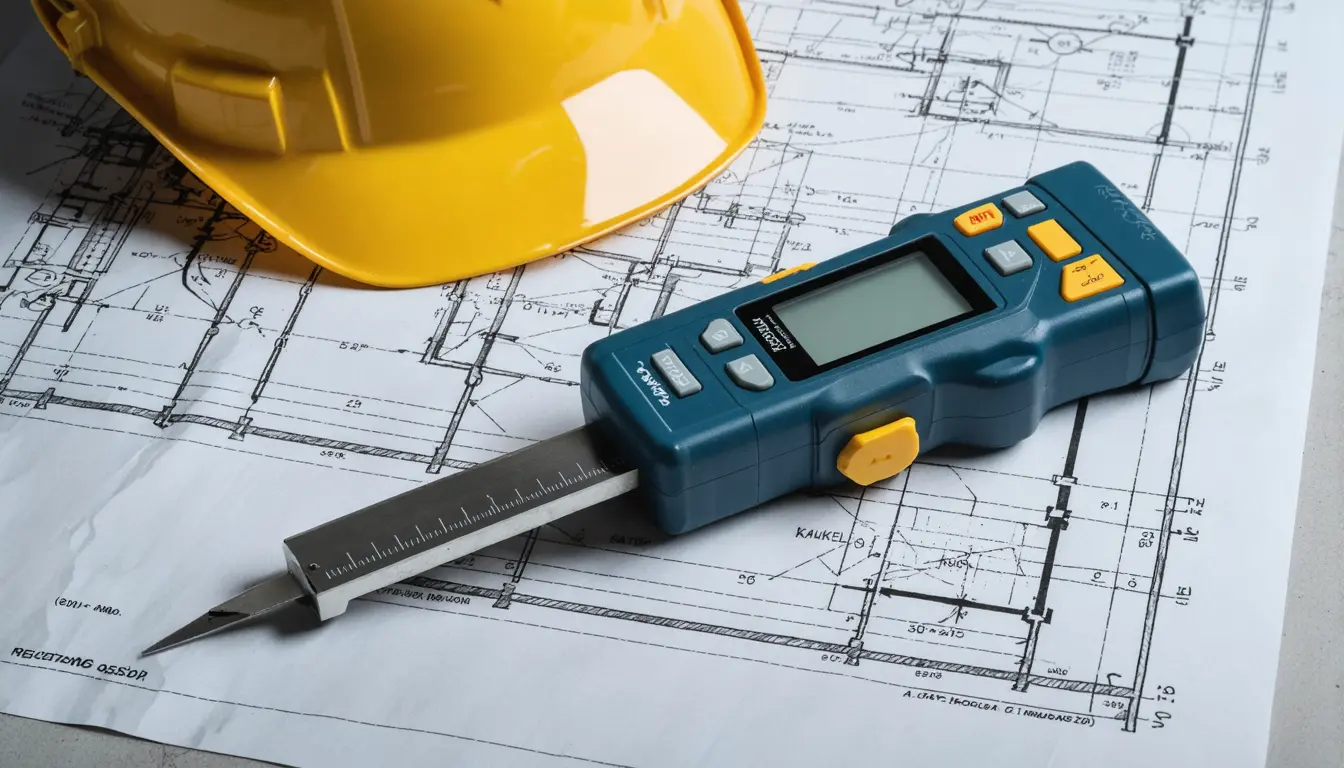
Inspection and testing equipment is crucial in maintaining high standards of quality control throughout the construction process. In the UK, builders must utilize a diverse array of inspection tools to ensure that every aspect of their work meets regulatory compliance and project specifications. Among the essential equipment are non-destructive testing tools such as ultrasonic testers and concrete scanners, which help detect subsurface issues without causing damage to the materials. These tools can identify cracks, voids, or other defects within concrete structures, allowing for early intervention and remediation.
Another vital aspect of inspection involves the use of environmental monitors that measure factors such as air quality, temperature, and humidity, especially during the curing of concrete and other critical phases. Monitoring these parameters is essential for ensuring that materials perform as intended, particularly in varying weather conditions. Builders may also use pressure testing equipment to check the integrity of plumbing and gas lines, ensuring that all installations are leak-free and safe for use.
On the other hand, checklists and inspection reports generated through snagging software UK can significantly enhance the inspection process. These platforms allow builders to document findings in real time, providing a structured format for identifying issues that require attention. By integrating digital inspection reporting with traditional equipment, builders can maintain a comprehensive overview of all inspections, ensuring that nothing is overlooked from the initial stages through to the final handover. This synergy between physical inspection tools and digital solutions ultimately leads to a higher quality end product, safeguarding both the builder’s reputation and the clients’ satisfaction.
Software solutions for quality management
In today’s fast-paced construction industry, software solutions for quality management have become essential for UK builders aiming to enhance their project delivery processes. These tools help streamline operations, improve communication, and maintain compliance with industry standards. A notable example is snagging software UK, which significantly transforms the way builders manage their quality control exercises. By providing a digital platform to document issues, assign tasks, and track progress, this software facilitates efficient resolution of defects identified during inspections.
Advanced quality management software not only supports snagging but also integrates project management features, allowing builders to monitor timelines, budgets, and workflow seamlessly. Users can create tailored checklists that align with specific projects, ensuring that every critical aspect of quality control is accounted for. This level of organization reduces the likelihood of oversights that could lead to delays or increased costs.
In addition to traditional snagging functionalities, these software solutions often include mobile capabilities, enabling on-site personnel to report issues in real-time directly from their devices. This immediacy enhances communication among team members and ensures that problems are addressed more promptly, contributing to higher quality outcomes. Builders can automatically generate reports documenting the status of inspections and resolutions, which is invaluable for maintaining transparency with clients and stakeholders.
Furthermore, data analytics features within quality management software provide builders with insights into recurring issues or trends across various projects. By analyzing these patterns, construction companies can implement preventative measures that minimize the risk of similar problems occurring in the future, thereby reinforcing their commitment to quality assurance. Overall, investing in robust software solutions enhances the capability of UK builders to deliver projects that consistently meet quality standards while ensuring a streamlined approach to managing the complexities of construction.


