








The Complete Guide to Contractor Finance Tools
contractor finance tools are designed to streamline the financial management process for contractors, making it easier to handle various aspects of their business operations. These tools encompass a range of software applications that automate bookkeeping, invoicing, and financial planning, ultimately leading to increased efficiency and accuracy in managing finances. For instance, contractor finance software UK has gained popularity due to its tailored features that cater specifically to the needs of contractors working within that market. Key functionalities of these tools often include expense tracking, profit and loss reporting, and cash flow management, which collectively enable contractors to maintain a clear overview of their financial standing. This is crucial for making informed decisions, ensuring timely payments, and complying with tax regulations. By leveraging technology in financial processes, contractors can save valuable time and reduce the risk of errors that may arise from manual financial handling.
New in this topic: Small Trades Teams Use AI Suggestions for Job Planning.
Types of Contractor Finance Tools
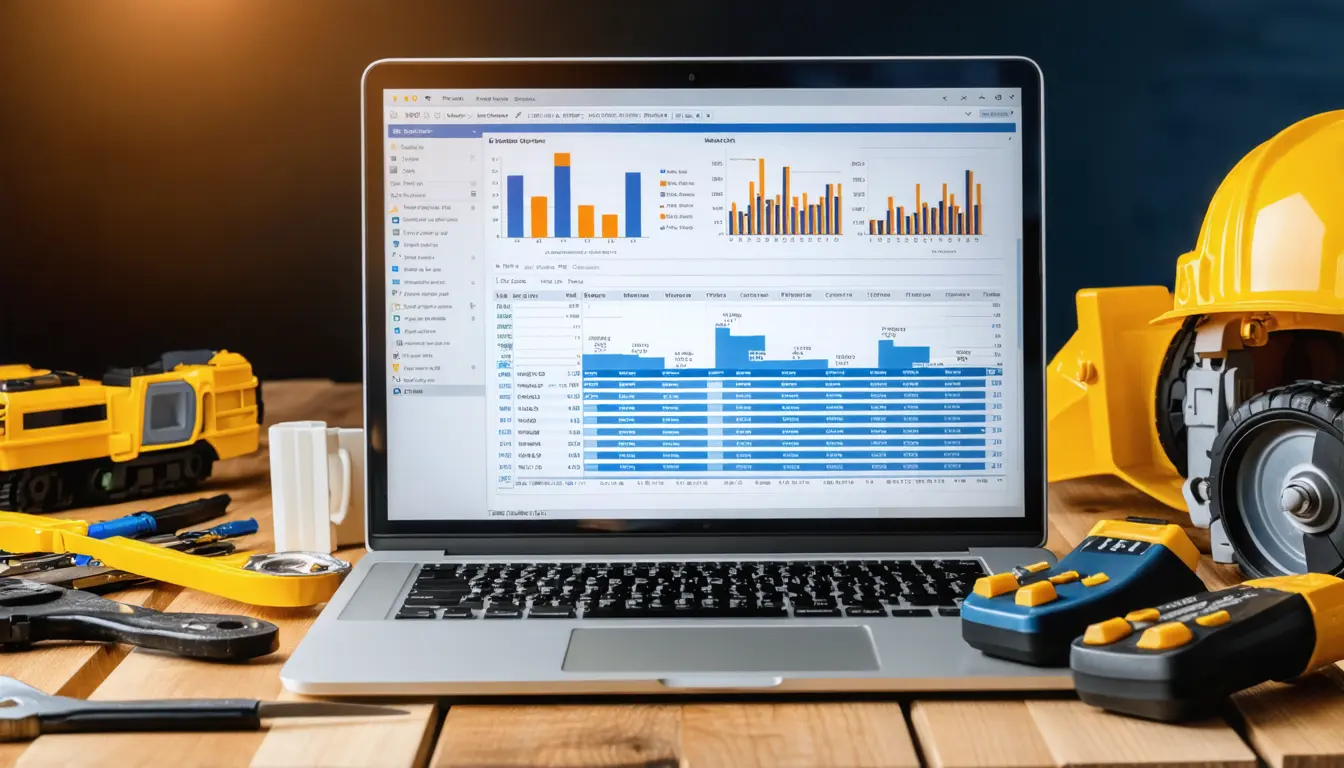
Contractors have access to a variety of finance tools that address specific aspects of their financial needs. One primary category includes contractor finance software UK, which is specifically designed to meet the unique requirements of contractors in that region. These software solutions often provide comprehensive features such as project budgeting, time tracking, and invoicing that align with the specific workflows of contractors. Another type of tool widely used is accounting software, which helps contractors manage their overall financial health by tracking income and expenses, generating financial statements, and handling tax calculations efficiently. Cloud-based platforms have gained traction, allowing contractors to access their financial data from anywhere, enhancing collaboration with accountants and team members.
Additionally, mobile finance applications have emerged, enabling contractors to manage their finances on-the-go. These mobile tools facilitate expense tracking by allowing users to take pictures of receipts and inputting expenses as they occur. Furthermore, invoicing tools streamline the billing process, maximize cash flow, and minimize delays in payment, essential for maintaining a healthy business operation.
Some contractors also utilize financial planning tools, specifically designed to project future earnings, manage cash reserves, and forecast project budgets. These tools are invaluable in helping contractors make informed financial decisions that can significantly impact the sustainability of their businesses. With the wide array of options available, it is crucial for contractors to assess their individual business needs and choose the tools that best fit their financial management requirements.

Benefits of Using Finance Tools
The advantages of using finance tools in the contracting industry are substantial and far-reaching. Primarily, these tools contribute to increased efficiency, allowing contractors to automate routine financial tasks such as invoicing, expense tracking, and payroll management. By automating these processes, contractors can eliminate time-consuming manual entries and reduce the likelihood of errors. This improved accuracy not only fosters trust with clients and vendors but also enhances the overall financial health of the business.
Moreover, the use of contractor finance software UK specifically can provide tailored features that cater to the unique regulatory and operational needs of contractors in that region. These tools often come equipped with compliance functionalities that ensure adherence to local tax laws and regulations, reducing the risk of penalties and audits. This compliance aspect is essential for maintaining a seamless operational flow, particularly in a market that is continuously evolving.
Another significant benefit lies in enhanced financial visibility and control. Finance tools allow contractors to generate detailed reports and real-time financial analytics, which can illuminate spending patterns, profitability per project, and forecasts for future cash flow. Armed with this information, contractors can make informed strategic decisions about bidding on new projects or adjusting their resource allocation. For instance, contractor finance software can provide real-time updates on project budgets, enabling contractors to identify potential cost overruns before they become problematic.
Additionally, effective cash flow management is a crucial aspect that directly influences the survival and growth of a contracting business. Finance tools allow for better tracking of receivables and payables, helping contractors ensure that funds are available when needed. This aids in maintaining liquidity and avoiding cash shortages that might hinder operations. By utilizing these finance tools, contractors can optimize their cash flow management, making timely payments to suppliers and ensuring they can continue their work without financial interruptions.
Lastly, the accessibility of many finance tools, especially cloud-based and mobile applications, empowers contractors to manage their finances from virtually anywhere. This flexibility is vital for contractors who spend a significant amount of time out in the field. Being able to access financial information and perform tasks on-the-go can significantly enhance productivity and responsiveness, helping contractors to capitalize on opportunities as they arise. In conclusion, the integration of finance tools into contractor operations not only simplifies financial management but also positions contractors for sustained growth and success.

Selecting the Right Finance Tool

Choosing the right finance tool is a critical step for contractors who want to optimize their financial management process. With the plethora of options available in the market, it is essential to consider various factors that align with specific business needs and operational workflows. One of the primary considerations is the unique features offered by different tools. For instance, contractors should look for software that includes essential functionalities such as invoicing, expense tracking, and reporting capabilities. Specialized contractor finance software UK can provide features that cater specifically to the industry, ensuring compliance with local regulations while enhancing operational efficiency.
Moreover, scalability plays an important role in the selection process. As contractors grow their businesses, their financial management needs will also evolve. Therefore, it is advisable to choose finance tools that can adapt and scale with the business, offering additional functionalities as required without causing disruption. Cloud-based solutions are particularly beneficial in this regard, as they often provide flexibility and can accommodate increased workloads without necessitating significant changes to the initial setup.
Integration capabilities should also be a key factor in selecting the right finance tool. Contractors frequently utilize various software platforms for their operations, making it crucial for finance tools to seamlessly integrate with existing applications such as project management systems and customer relationship management tools. This integration helps streamline workflows and minimizes the likelihood of data errors, creating a more cohesive financial management environment.
Cost-effectiveness is another aspect worth examining. While investing in high-quality finance tools can lead to long-term gains, contractors should weigh the pricing models against their budget constraints and expected return on investment. Some finance tools offer tiered pricing structures, allowing contractors to choose features that fit their current needs and upgrade as their financial demands grow.
Finally, user experience and support are vital considerations. A user-friendly interface encourages more effective engagement with the tool and facilitates smoother daily operations. Furthermore, reliable customer support is essential for addressing potential issues and ensuring that contractors can fully leverage the functionalities of the software. Before making a final decision, reading reviews and seeking recommendations can provide valuable insights into the overall satisfaction of current users.
Ultimately, selecting the right finance tool involves a thorough assessment of individual business needs and an understanding of the capabilities that various solutions can bring to the table. By taking the time to evaluate these factors, contractors can invest in tools that not only facilitate current financial management tasks but also contribute to sustainable growth and success in the future.
Best Practices for Implementing Finance Tools
Implementing finance tools effectively is essential for maximizing their benefits in the contractor landscape. First and foremost, conducting a thorough training session for all users is crucial. Employees should be familiarized with the functionalities of the selected finance tool, such as contractor finance software UK, to ensure they can navigate the system confidently and utilize its features efficiently. This training can be facilitated through tutorials, workshops, or dedicated training resources provided by the software vendor.
In addition, establishing a clear implementation plan that outlines the timeline, responsibilities, and milestones can help facilitate a smooth transition to the new system. It is important to set realistic expectations and involve all relevant stakeholders throughout the process to encourage buy-in and address any potential resistance to change. This collaborative approach can greatly improve the overall adoption rate of the finance tools.
To further enhance the implementation process, contractors should consider customizing the finance tools to better suit their specific workflows and requirements. Many software solutions allow for tailored configurations, enabling contractors to align the tool with their unique business practices. For instance, if a contractor predominantly works within a specific region, they may benefit from customizing their contractor finance software UK to include relevant tax codes and local compliance guidelines.
Regular evaluation and feedback mechanisms should be established post-implementation. This can involve gathering input from users about their experiences and challenges encountered while using the finance tools. Such feedback can pinpoint areas for improvement or updates needed for better functionality. By fostering an environment of continuous improvement, contractors can ensure that the finance tools remain effective and cater to evolving business needs.
Moreover, ensuring data integrity during the setup process is vital. Contractors should establish protocols for data entry and migration to maintain accurate financial records. This involves meticulously transferring existing financial data into the new system, validating the information, and correcting any discrepancies that may arise during the migration process. Accuracy at this stage is crucial, as it will lay the foundation for reliable reporting and decision-making.
Lastly, leveraging ongoing support from the software provider can significantly enhance the experience of using finance tools. Many providers offer comprehensive customer support services, user guides, and community forums that can assist contractors in troubleshooting issues and maximizing the use of the software. By taking advantage of these resources, contractors can resolve issues quickly and continue to benefit from the tools effectively.


