








Joinery Companies Improve Quality Control Processes
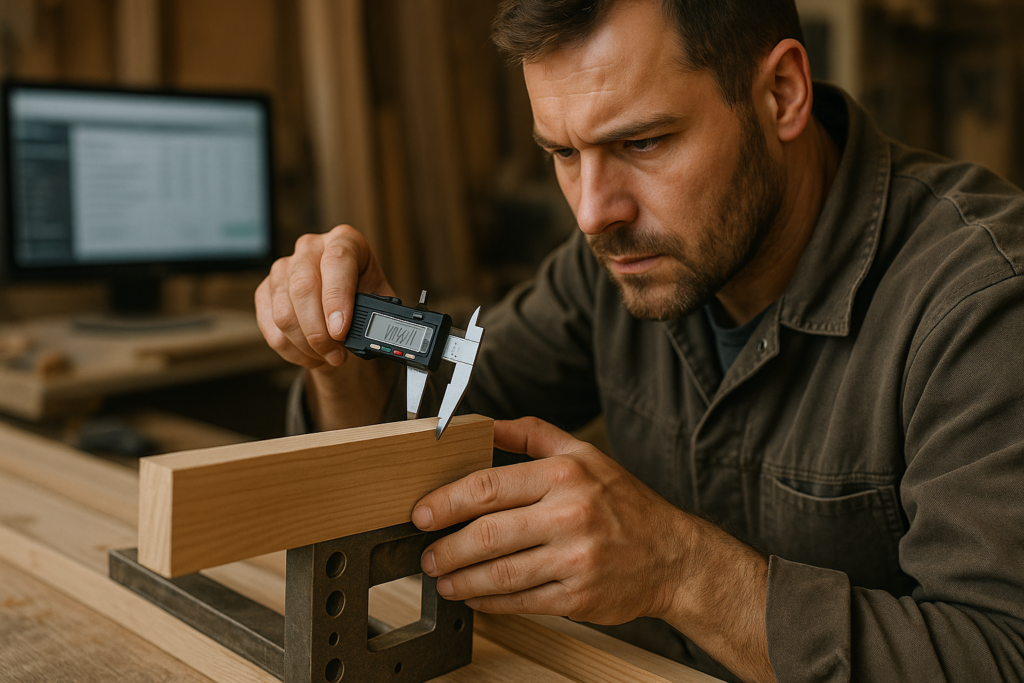
Quality control techniques in joinery are essential for ensuring that the finished products meet industry standards and customer expectations. These techniques often begin with raw material inspection, where lumber is evaluated for defects such as knots, warping, or incorrect dimensions. Once the materials are deemed acceptable, joiners employ various methods to maintain high standards throughout the manufacturing process. This includes precise measurements and the use of jigs and fixtures to ensure consistency in the production of components.
New in this topic: Why UK Contractors Need Centralized CRM Tools.
Joinery companies are increasingly adopting joinery QC software in the UK to streamline their quality control processes. This software provides tools for tracking measurements, documenting inspections, and statistically analyzing data to identify areas for improvement. By integrating such technology, joiners can quickly adapt to any deviations from quality standards, thereby enhancing their overall production efficiency.
In addition to software, traditional techniques such as visual inspections, functionality tests, and even stress testing are critical. Visual inspections help identify surface flaws and craftsmanship issues, while functionality tests ensure that assembled products operate as intended. Stress testing particularly plays a vital role in structural joinery, where the integrity of load-bearing components must be verified to prevent future failures.
Moreover, implementing a standardized quality control checklist can help streamline the inspection process, making it easier for staff to follow and ensuring that all aspects of production are consistently evaluated. This standardized approach reduces the likelihood of errors and enhances accountability among workers, ultimately leading to superior finished products that reflect the skill and dedication of the joinery company.
Impact of Technology on Joinery Standards

The landscape of joinery standards has notably evolved with the introduction of advanced technology, which has become a cornerstone for meeting and exceeding quality expectations. Automation and digital tools now play an integral role in the joinery industry, enhancing precision and efficiency at various stages of production. For instance, computer numerical control (CNC) machines allow for highly accurate cuts and shapes that would be difficult, if not impossible, to achieve by hand. This precision not only minimizes waste but also ensures that components are consistently manufactured to the specified dimensions.
Furthermore, the integration of joinery QC software in the UK has revolutionized how companies monitor and manage quality control. This software aids in real-time data collection and analysis, enabling companies to track performance metrics and quality indicators closely. By analyzing historical data, manufacturers can identify trends and make informed decisions on process improvements, thereby driving continuous innovation in quality practices.
Additionally, the use of technology extends to mobile devices and applications that facilitate on-site quality assessments. Workers equipped with tablets or smartphones can instantly document inspections, share results with their teams, and access detailed guidelines for best practices. This immediacy fosters a culture of transparency and accountability, where everyone involved in the joinery process is aligned with the quality objectives of the company.
Moreover, augmented reality (AR) and virtual reality (VR) are beginning to make inroads into the training and implementation processes within joinery. These technologies provide immersive training experiences, allowing employees to engage with simulated production scenarios where they can practice quality control measures without the risk of damaging materials. Such innovations not only enhance the skill set of workers but also ensure they are well-prepared to uphold the standards that modern customers expect.
As the industry continues to embrace these technological advancements, the overall quality of joinery products is likely to improve significantly. Enhanced visualization tools, data analytics, and automation contribute to a more precise manufacturing process, ensuring that each piece crafted meets stringent quality requirements. The commitment to leveraging technology in quality control denotes a forward-thinking approach that positions joinery companies to thrive in an increasingly competitive market.

Training and Development for Quality Assurance
The success of any quality control process in joinery heavily relies on the training and development of the workforce. Investing in comprehensive training programs is critical to ensure that employees are well-equipped to adhere to established quality standards. When joinery companies prioritize employee education, they foster a culture of quality awareness that permeates every aspect of production. This begins with understanding the fundamental principles of quality control, including the significance of accurately measuring materials, recognizing defects, and applying precise assembly techniques.
New hires should undergo rigorous onboarding processes that cover best practices in quality control. This includes hands-on training that allows them to become familiar with tools, machines, and methods used in the joinery process. Furthermore, incorporating training modules on the use of advanced joinery QC software in the UK can greatly enhance employees’ efficiency in monitoring quality metrics and conducting inspections. As workers gain proficiency with these tools, they can leverage technology to identify potential issues quickly and address them proactively.
Regular refresher courses and advanced training sessions are also essential for existing employees, especially as new technologies and processes are introduced. By keeping the workforce updated, companies ensure that their teams are not only skilled in current practices but are also adaptable to changes that enhance quality control measures. Workshops focused on specific quality control techniques, such as statistical process control or root cause analysis, empower employees to contribute more significantly to the continuous improvement of processes.
Moreover, mentorship programs that pair experienced workers with newer employees can facilitate knowledge transfer and provide practical insights into achieving high-quality standards. This one-on-one guidance helps in reinforcing best practices and clarifying any complexities related to quality assurance. Encouraging employees to share their own experiences and challenges can also stimulate discussions that lead to innovative solutions in quality control.
In addition to technical skills, training should also emphasize the importance of soft skills such as communication, teamwork, and problem-solving. These skills are vital for fostering collaboration among departments and ensuring all team members are aligned with the quality objectives of the company. Engaged and knowledgeable employees not only contribute to better quality outcomes but also take pride in their work, which translates into a stronger commitment to excellence throughout the joinery process.
Case Studies of Successful Joinery Companies

Several joinery companies have successfully harnessed innovative quality control practices that highlight the importance of meticulous standards and employee engagement. One noteworthy example is a small joinery firm in the UK that adopted an integrated approach by implementing joinery QC software UK to enhance its quality assurance processes. By automating inspection workflows and utilizing data analytics, the company was able to identify quality issues in real-time, significantly reducing rework and improving overall product quality. This transition to a tech-driven approach not only streamlined operations but also boosted employee morale, as workers felt more empowered and informed in their tasks.
Another exemplary case is a larger joinery manufacturer that embraced a holistic quality management system. This system provided a structured framework for setting quality objectives, measuring performance, and driving continuous improvement. The company invested in extensive training programs for its workforce, focusing on both technical skills and the use of quality control software. The result was a measurable increase in product consistency and customer satisfaction. Regular audit cycles helped the company maintain stringent quality standards while also fostering a culture of accountability. Employees were encouraged to take ownership of their work and report any deviations from quality norms, leading to faster corrective actions and fewer defects.
A third case study illustrates the impact of collaborative quality initiatives among teams. A leading joinery company initiated a cross-departmental project aimed at enhancing quality control. Employees from design, production, and quality assurance departments were brought together to identify bottlenecks in the production process. Utilizing joinery QC software UK, they created a shared database where quality metrics and insights were accessible to all team members. This collaboration not only amplified communication but also cultivated a shared responsibility for quality outcomes. As a result, the company saw a significant reduction in customer complaints and an increase in repeat business.
These case studies underscore that the path to successful quality control in joinery lies in a combination of advanced technology, continuous training, and a collaborative culture. By adapting to the evolving landscape of quality management, these companies have achieved noteworthy results that position them competitively within the industry.
Future Trends in Quality Control Practices
As the joinery industry continues to evolve, several future trends in quality control practices are emerging, driven by advancements in technology, workforce development, and a shift toward sustainability. One of the most significant trends is the increasing adoption of AI-driven quality control systems. These systems analyze production data to identify patterns and predict potential quality issues before they occur. By utilizing algorithms that learn from historical data, companies can enhance their inspection processes and minimize errors, leading to more consistent product quality.
Moreover, the integration of joinery QC software in the UK is anticipated to become even more streamlined and intuitive. Future software solutions will likely feature enhanced user interfaces, improved data visualization tools, and more sophisticated analytics capabilities. These advancements will make it easier for joiners to track quality metrics in real-time, identify deviations from standards, and facilitate quicker decision-making. As a result, companies will be better equipped to manage their quality control processes effectively, thus driving continuous improvement in their operations.
The trend toward sustainability will also play a crucial role in shaping future quality control practices. Companies are increasingly recognizing the importance of environmentally conscious production processes, which include sustainably sourced materials and waste reduction strategies. Quality control will expand beyond traditional measures to encompass the ecological impact of joinery practices. This may involve implementing quality checks for sustainable practices, ensuring that both product quality and environmental standards are met.
Furthermore, the focus on employee engagement in quality assurance is set to intensify. Joinery companies will invest more in training programs that not only enhance technical skills but also promote a culture of quality among the workforce. This includes fostering open communication about quality issues and encouraging staff to take an active role in the quality control process. Through collaborative efforts, companies will cultivate a sense of ownership among employees, leading to heightened dedication to quality standards.
In addition to training, incorporating gamification elements into workforce development can also enhance engagement. By turning quality control measures into challenges or competitions, companies can motivate their teams to strive for superior quality outcomes in an engaging manner. This innovative approach could lead to greater teamwork and participation in maintaining high standards throughout the joinery process.
Ultimately, the future of quality control practices in joinery will be characterized by an interconnected ecosystem that integrates technology, sustainable practices, and workforce development. By staying ahead of these trends, joinery companies can ensure they not only meet current quality expectations but also set the stage for ongoing excellence in product quality and customer satisfaction.


