








How Boiler Engineers Manage Service and Installation Work
Boiler systems are complex assemblies that convert fuel into heat, which is then distributed to provide warmth for residential or commercial spaces. Understanding these systems involves comprehending the various types of boilers, including combi, system, and regular boilers, each offering unique benefits and operating mechanisms. A boiler engineer examines components such as the burner, heat exchanger, and controls, ensuring that all parts function efficiently. Boiler engineer software UK has become an invaluable tool for professionals in this field, aiding in monitoring performance metrics and facilitating accurate diagnostics. Such software allows engineers to track energy consumption patterns, predict maintenance needs, and ensure compliance with regulations. This understanding is crucial for optimizing efficiency and ensuring the longevity of the system. Additionally, knowledge of flow rates, water quality, and pressure levels is vital, as these factors directly influence the performance and safety of the boiler. Regular assessments and updates to the boiler’s system, supported by the latest engineering software, help maintain optimal operation and prevent costly breakdowns.
New in this topic: The Complete Guide to Employee Time Tracking for Construction.
Service Procedures for Boiler Maintenance
Service procedures for boiler maintenance are essential to ensure the longevity and efficiency of boiler systems. A thorough maintenance routine typically includes several key components, such as regular inspections, cleaning, and part replacements. boiler engineers begin the maintenance process by conducting visual inspections of the entire system, checking for any signs of wear, leaks, or corrosion. This inspection also involves assessing the condition of safety valves and pressure gauges, as these components are critical for the safe operation of the boiler.
After the initial inspection, the next step is often cleaning. Accumulated dirt, soot, and debris can greatly hinder a boiler’s performance. Engineers utilize specialized tools and equipment, such as vacuum cleaners and brushes, to ensure that the heat exchanger and flue passages are clear of blockages. This helps maintain proper airflow and enhances the boiler’s efficiency. Additionally, some boiler engineer software UK provides maintenance professionals with reminders and checklists tailored to the specific requirements of different boiler systems, streamlining the service process.
Another critical aspect of maintenance is checking and replacing components that are subject to wear and tear. Items such as burner nozzles, filters, and gaskets should be monitored regularly to avoid malfunctions. Keeping a detailed record of maintenance activities, including dates and findings, is important for tracking the service history and making informed decisions for future maintenance tasks. Advanced boiler engineer software in the UK allows engineers to log this information efficiently, generating reports that can highlight trends and forecast when parts may need replacing.
These systematic service procedures not only ensure compliance with safety regulations but also optimize the boiler’s performance and energy efficiency. By adhering to established maintenance protocols, boiler engineers can significantly reduce the risk of unexpected breakdowns and costly repairs, ultimately benefiting both the service providers and their clients.

Installation Best Practices
When it comes to the installation of boiler systems, adhering to best practices is vital to ensure both safety and efficiency. The installation process begins with a comprehensive assessment of the premises where the boiler will be located. This includes evaluating the space’s dimensions, heating requirements, and the layout of existing plumbing and electrical connections. A boiler engineer must also account for ventilation needs, with adequate space around the boiler for access and maintenance, as recommended by manufacturer specifications and local regulations.
Once the site assessment is complete, selecting the appropriate boiler type is crucial. Factors such as the size of the space, the intended usage, and energy source availability—be it gas, oil, or electricity—inform the decision-making process. Proper sizing is essential; an undersized boiler won’t meet heating demands, while an oversized unit could lead to inefficiencies and higher operational costs. Utilizing boiler engineer software UK can aid in these calculations, allowing engineers to input specific data and receive recommendations tailored to the installation scenario.
During the installation itself, it is important to follow a systematic approach. The boiler should be securely mounted, ensuring stability and reducing vibration. Connections to the water supply, waste outlet, and flue should be installed with precision, utilizing appropriate seals and fittings to prevent leaks. An engineer must also ensure that all electrical work complies with local codes, as improper installations can lead to hazardous conditions.
An often-overlooked aspect of installation is the commissioning process. After installation, the boiler must be thoroughly tested to ensure it operates correctly and efficiently. This includes checking all connections, assessing pressure levels, and verifying that the controls are functioning as intended. The engineer should also demonstrate to the client how to operate the boiler and explain the importance of regular maintenance checks. Utilizing boiler engineer software UK during this phase helps document the commissioning process, providing a detailed record that can be essential for future reference and maintenance scheduling.
Adherence to local health and safety regulations is paramount throughout the entire installation process. This includes ensuring that any necessary permits are obtained and that safety measures, such as carbon monoxide detectors and emergency shut-off mechanisms, are in place. By following these best practices in boiler installation, engineers not only promote the effective operation of heating systems but also contribute to a safer environment for users.
Health and Safety Regulations
Health and safety regulations play a crucial role in the boiler industry, ensuring that engineers and technicians adhere to strict guidelines that protect both workers and the public. Compliance with these regulations is essential, given the potential hazards associated with boiler systems, including high pressure, combustion risks, and exposure to harmful gases. Boiler engineers must be well-versed in the relevant health and safety legislation, which varies by region but generally includes standards related to equipment operation, maintenance protocols, and emergency measures.
One of the primary regulations that boiler engineers must follow pertains to the safe installation and maintenance of boiler systems. This includes adhering to the directives set by organizations such as the Health and Safety Executive (HSE) in the UK, which outlines the responsibilities of employers and employees in managing workplace safety. Engineers must ensure that all installations comply with these regulations, utilizing appropriate safety gear and following best practices to mitigate risks during service and installation work.
Another important aspect of health and safety regulations is the requirement for regular risk assessments. Engineers are responsible for identifying potential hazards associated with their work, conducting assessments to evaluate the risks, and implementing control measures to minimize those risks. This proactive approach not only helps maintain compliance but also fosters a culture of safety within the workplace. Many boiler engineer software UK tools now include features that assist engineers in conducting and documenting these assessments, streamlining the process and ensuring thorough record-keeping.
Training and certification are also critical components of health and safety compliance. Engineers must complete necessary training programs, covering topics such as handling hazardous materials, emergency response procedures, and first aid. Staying updated with the latest training and certifications not only ensures legal compliance but also equips engineers with the knowledge and skills needed to operate safely in potentially dangerous environments.
Furthermore, compliance with health and safety regulations extends to the operational aspect of boiler systems. Engineers must ensure that appropriate safety devices, such as pressure relief valves, are installed and functioning correctly. Regular checks and maintenance of these safety devices are vital to prevent accidents and system failures. It is also essential to maintain clear communication with clients regarding the importance of compliance and regular servicing, as understanding these factors can significantly enhance safety and operational efficiency.
Adherence to health and safety regulations is not just a legal obligation but a fundamental aspect of boiler engineering that prioritizes the well-being of workers and the safety of boiler operations. Utilizing advanced resources like boiler engineer software UK can facilitate compliance by providing engineers with tools to manage risk assessments, training records, and maintenance schedules effectively.
Troubleshooting Common Issues
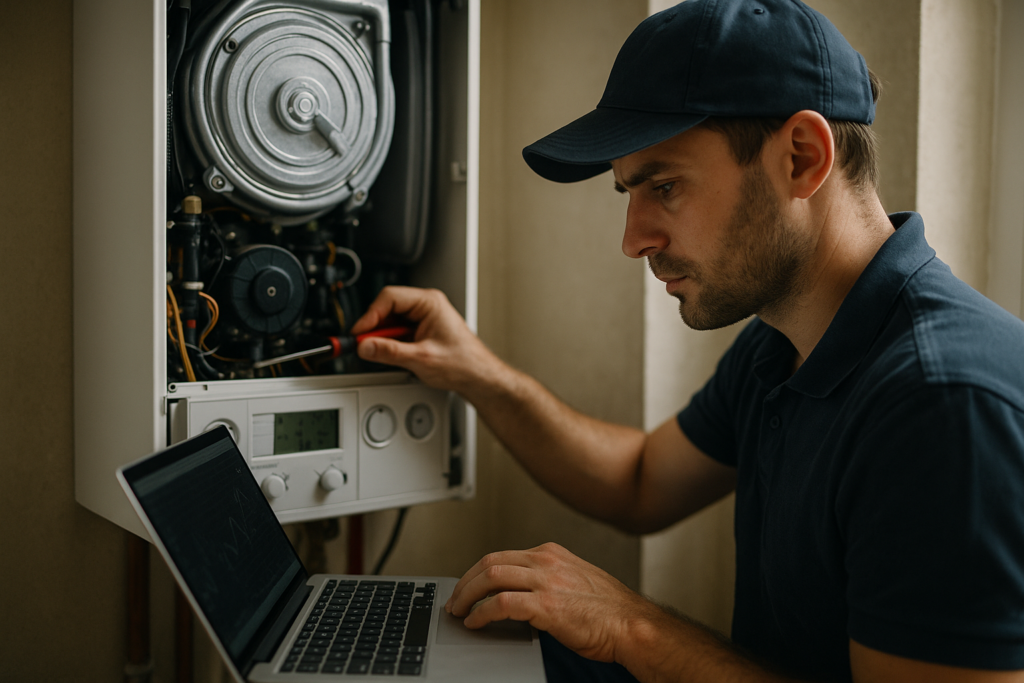
Troubleshooting common issues in boiler systems is a critical skill that every boiler engineer must possess, as it ensures not only the efficient operation of the system but also the safety of the environment in which it operates. Engineers often encounter a range of problems, from minor inconveniences to major malfunctions, and identifying the root cause is essential for effective resolution. Common issues may include irregular heating, strange noises, leaks, and pressure fluctuations, each of which requires a specific diagnostic approach.
When faced with irregular heating, the first step is to check the thermostat settings and ensure they are correctly configured for the desired comfort level. Additionally, engineers must inspect the circulation pump and radiators to confirm that they are functioning properly and not clogged with debris. If necessary, boiler engineer software UK can aid in monitoring temperature patterns and anomalies, allowing for more accurate diagnosis based on real-time data.
Strange noises, such as banging or whistling, often indicate issues within the boiler, such as water hammer or the buildup of limescale. Engineers typically begin troubleshooting these sounds by examining the system pressure and checking for trapped air, which might require bleeding the radiators to relieve pressure. In cases of limescale, flushing the system may be required to restore smooth operation. Utilizing diagnostic software can help note the frequency and type of noises over time, enabling engineers to pinpoint and address recurring issues effectively.
Leaks present another challenge, as they can occur from various components, including joints, pipes, and seals. Engineers are trained to inspect these areas carefully, looking for signs of corrosion or wear that could lead to leaks. Identifying the source of a leak often involves a systematic process of elimination, and in many cases, immediate repairs or replacements are crucial to prevent further damage to the system. The documentation features in boiler engineer software UK can assist engineers in tracking repairs and adjustments made over time, enhancing accountability and service history.
Pressure fluctuations can be a troubling indication of underlying problems, often linked to the pressure relief valve or expansion tank. A thorough investigation of these components is necessary, and engineers must ensure that all safety mechanisms are operational and correctly calibrated. Frequent pressure loss might indicate the system is over-pressurizing, which could point to more serious issues, such as a failing expansion tank or excessive air in the system. Using diagnostic tools and software helps in recording fluctuations and setting parameters for routine checks.
Troubleshooting boiler issues requires a comprehensive understanding of the system’s components and functionalities. By leveraging advanced tools, including boiler engineer software UK, engineers can efficiently diagnose and resolve problems, minimizing downtime and ensuring the safe operation of boiler systems. The proactive identification and management of issues not only leads to improved performance but also enhances customer satisfaction through reliable service delivery.


