






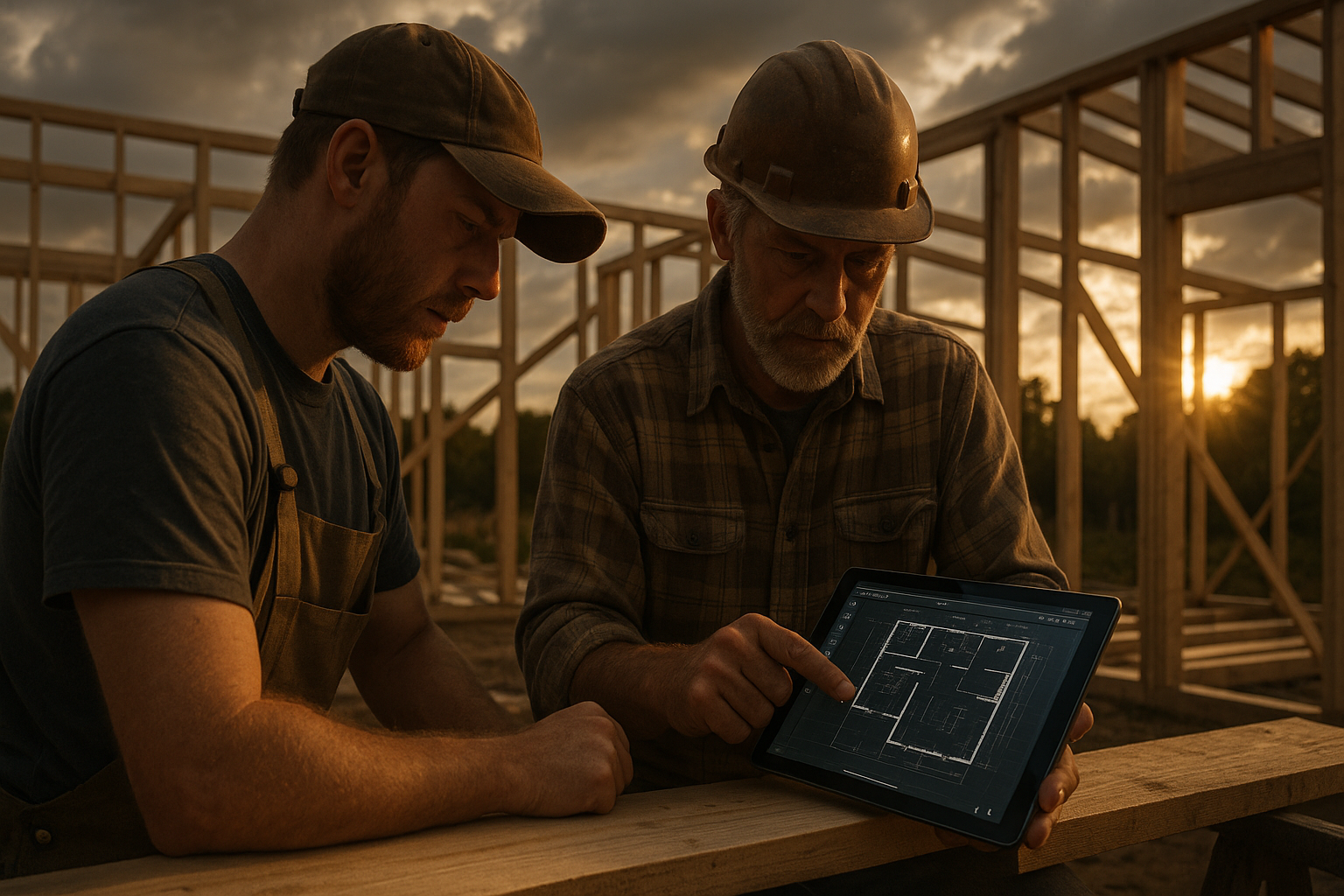

Carpentry Teams Boost Accuracy With Digital Floor Plans
Digital tools have revolutionized the carpentry industry, transforming traditional methods into more efficient and accurate practices. One such advancement is the introduction of specialized carpentry floor plan apps, such as those popular in the UK, which serve as essential resources for modern carpenters. These applications provide detailed templates, enable precise measurements, and allow users to visualize their projects in a three-dimensional space. With features like adjustable layers, materials libraries, and drag-and-drop functionalities, carpenters can customize their floor plans to meet specific needs promptly.
New in this topic: Why UK Plumbers Need Better Scheduling Tools.
These digital tools not only enhance productivity but also improve collaboration among team members. By utilizing cloud-based platforms, carpenters can share designs in real time, ensuring that everyone involved in the project is on the same page. This access to immediate updates minimizes the risk of errors and miscommunications. Furthermore, many of these apps offer integration with other software tools, such as budgeting and scheduling applications, making it easier for carpenters to manage project timelines and costs effectively.
As the carpentry landscape evolves, the embrace of digital solutions is becoming increasingly vital. The ability to create, modify, and share accurate floor plans digitally empowers carpenters to leverage technology for greater efficiency and success in their craft.
Enhancing Precision Through Technology
Advanced technologies, such as augmented reality (AR) and virtual reality (VR), are playing an increasingly significant role in enhancing precision within the carpentry field. By utilizing these innovative technologies, carpenters can visualize their projects in a simulated environment before any physical work begins. This not only allows for a detailed inspection of design elements but also helps in identifying potential issues early in the process, ultimately leading to more accurate outcomes. For instance, using a carpentry floor plan app UK that integrates AR capabilities can allow carpenters to overlay digital designs on existing structures, providing a real-time perspective that was once impossible.
Moreover, the implementation of laser measuring tools and digital measuring devices has significantly improved the accuracy of measurements on-site. These tools offer high precision and instant feedback, enabling carpenters to capture exact dimensions quickly, which is crucial for framing and fitting tasks. Integration of these technologies with mobile applications ensures that measurements are seamlessly transferred to digital floor plans, reducing the likelihood of human error that often occurs with traditional measuring methods.
In addition to measurement tools, automated cut lists generated by carpentry software streamline the material preparation process. These lists calculate the dimensions and quantities needed based on the digital floor plans, helping teams minimize waste and optimize their resource management. With accurate cut lists, carpenters can execute their plans with great efficiency, ensuring that each piece fits perfectly into the overall design.
Continuous training and adaptation to these advancements are essential for carpenters seeking to maintain a competitive edge. Embracing technology through workshops and online tutorials enhances their skill sets and helps familiarize them with new tools and applications. As the carpentry industry continues to evolve, the integration of these technological advancements will remain a key factor in improving precision and overall project success.
Case Studies of Successful Implementations
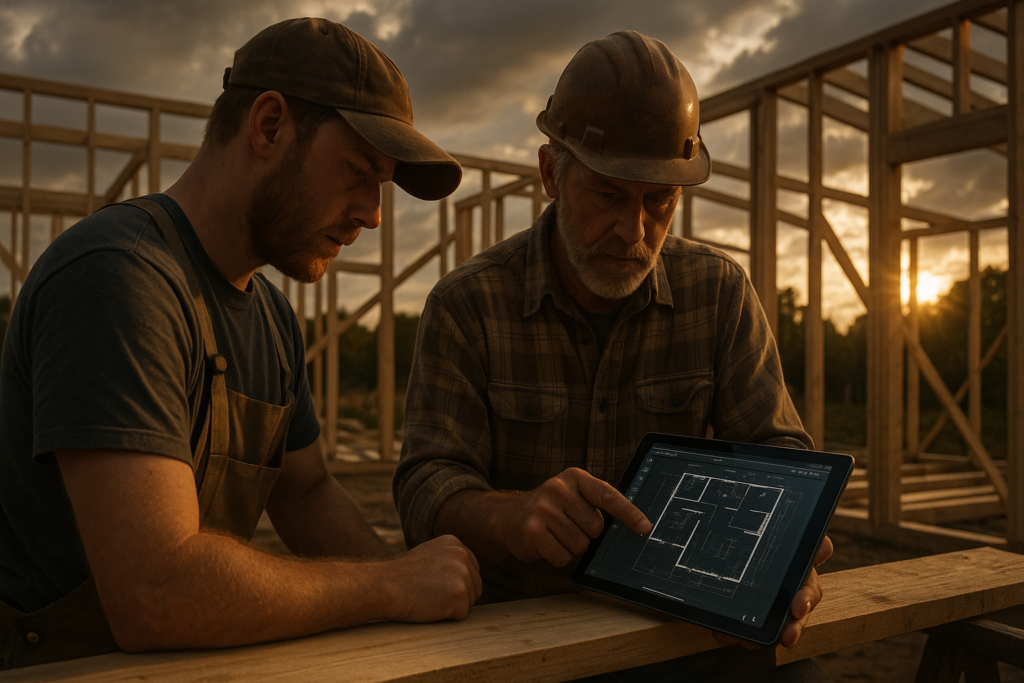
Numerous carpentry teams have successfully adopted digital floor plans, showcasing the transformative impact of technology on their workflows. One notable case involves a contracting company in London that implemented a carpentry floor plan app UK to streamline their building projects. By transitioning from paper-based blueprints to digital plans, the team saw a significant reduction in time spent on revisions. The app allowed them to make real-time updates, enabling quicker decision-making and vastly improving communication among crew members.
Another compelling example comes from a residential remodeling firm based in the Midwest. This company utilized digital floor plans to enhance collaboration with clients during design phases. With the app’s 3D visualization features, clients could walk through their future spaces virtually, providing immediate feedback and promoting engagement in the design process. This not only boosted client satisfaction but also minimized costly changes during construction, as potential issues were identified upfront.
<pAdditionally, a team specializing in commercial carpentry in New York adopted a cloud-based platform that included a carpentry floor plan app UK to manage multiple projects simultaneously. By centralizing their designs and project documentation, they improved their organizational efficiency and ensured that all team members had access to the latest information. As a result, deadlines were met more consistently, and resource allocation improved, leading to a better bottom line.
<pThese case studies demonstrate that the shift to digital floor plans not only enhances accuracy but also fosters a collaborative environment. The experiences of these teams illustrate the tangible benefits of integrating technology into carpentry practices, setting a precedent for others in the industry to follow as they aim to achieve more precise and efficient outcomes.
Challenges and Solutions in Adopting Digital Plans
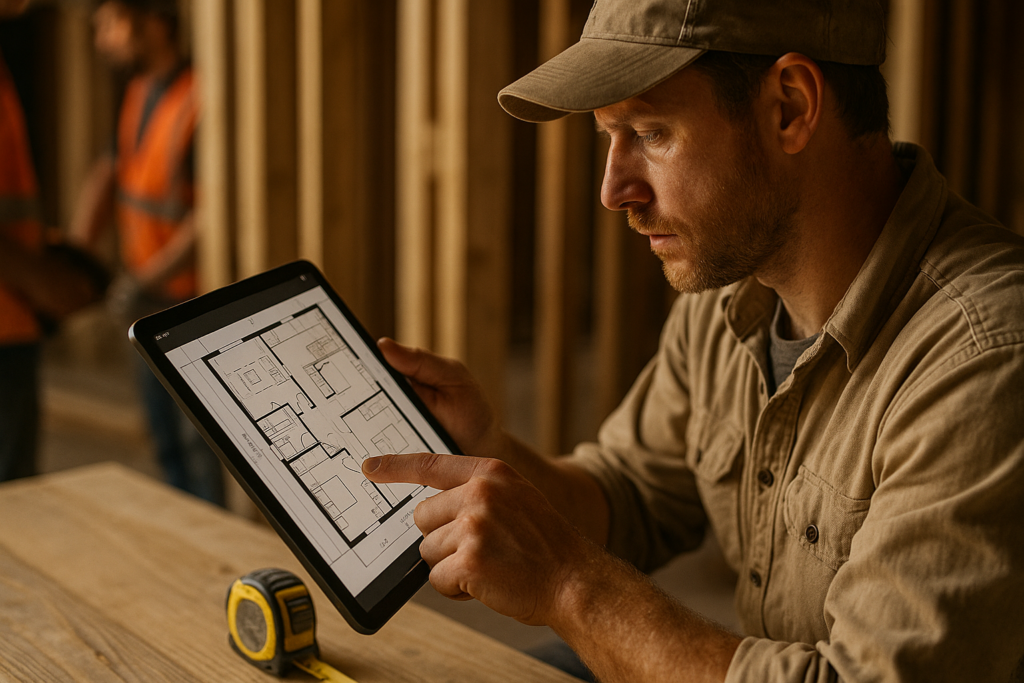
Adopting digital floor plans in carpentry does come with its challenges, particularly for teams transitioning from traditional methods. One significant hurdle encountered is the resistance to change from seasoned carpenters who may be accustomed to conventional practices. Many have spent years honing their skills using paper plans and manual measurements, making it difficult to embrace new technologies. To mitigate this, it is crucial to provide comprehensive training that emphasizes the advantages of digital tools, such as enhanced accuracy and efficiency. Workshops, hands-on demonstrations, and peer support can play a vital role in easing the transition and instilling confidence in users.
Another challenge relates to the initial investment in digital tools and software. The cost of specialized carpentry floor plan apps in the UK and the necessary hardware can be daunting for smaller companies or independent carpenters. However, it is essential to view this as a long-term investment. By illustrating the potential savings in time, materials, and labor, as well as the increase in accuracy that reduces costly mistakes, businesses can better justify the upfront costs. Additionally, exploring subscription-based models or seeking out free or low-cost alternatives can help lower the barrier to entry.
The integration of technology into existing workflows also poses challenges, particularly when it comes to data management. Ensuring that all team members are on the same platform and can actively contribute to the digital plans is essential for success. To address this, adopting cloud-based solutions can facilitate easy access and sharing of information among all project stakeholders. This minimizes the risk of miscommunication and allows for real-time collaboration, ultimately leading to a more cohesive project execution.
Moreover, internet connectivity can be a concern, particularly for teams working in remote locations or on-site where reliable access may be limited. Preparing for such scenarios by utilizing offline capabilities in carpentry floor plan apps can ensure that carpenters continue working without interruption. By downloading necessary files and updates beforehand, teams can maintain their momentum, even in less-than-ideal conditions.
Lastly, the rapid pace of technological advancement can overwhelm some carpenters, who may struggle to keep up with new features and ongoing software updates. Establishing a continuous learning culture within teams is imperative. Encouraging team members to stay informed about updates, attend training sessions, and share insights creates an atmosphere of growth and adaptability. By addressing these challenges head-on and providing practical solutions, carpentry teams can more effectively integrate digital floor plans into their workflows, ultimately enhancing their precision and productivity.
Future Trends in Carpentry and Digital Integration
The future of carpentry is poised for remarkable changes as digital integration continues to advance. Emerging technologies such as artificial intelligence (AI) and machine learning are expected to play pivotal roles in automating various aspects of the carpentry process. These technologies can analyze historical data and project specifications, enabling advanced predictive modeling for project outcomes. For example, a carpentry floor plan app UK incorporating AI could streamline the design process by suggesting optimal layouts based on previously successful projects or materials availability, thus reducing time spent on design modifications.
Moreover, the Internet of Things (IoT) can further enhance connectivity between tools and machines on-site. Smart tools equipped with IoT sensors can provide real-time data on their performance and usage, allowing carpenters to optimize their workflows and maintain equipment effectively. This connectivity means that adjustments can be made instantly, ensuring that projects remain on schedule and within budget. The integration of IoT could lead to smart job sites where all aspects of the project are digitized and monitored, from material delivery to tool management.
3D printing is also emerging as a transformative technology in carpentry, providing unprecedented opportunities for customization and efficiency. Carpenters could leverage 3D printing to produce components on-demand, significantly reducing materials waste and lead times. This capability lends itself well to bespoke projects, where unique designs can be printed directly from digital plans, further exemplifying the synergy between traditional carpentry skills and modern technology.
As sustainability becomes increasingly important, the integration of digital tools will also assist carpenters in making more eco-friendly choices. Digital floor plans can encompass energy-efficient design elements, helping teams to propose sustainable solutions during the planning phases. By modeling energy consumption and material requirements accurately, carpenters can minimize the environmental impact of their projects while meeting client expectations for green building practices.
Collaboration and communication will continue to evolve with advancements in technology. Platforms that integrate project management capabilities alongside digital floor planning tools will facilitate better coordination among different teams, ensuring that architects, engineers, and carpenters are aligned throughout the project lifecycle. Enhanced collaboration tools are expected to foster a culture of innovation, where ideas can be shared easily, and team members can contribute to the design process from anywhere.
The future trends in carpentry will center around increased integration of digital solutions, which will not only streamline workflows but also enhance the quality and sustainability of carpentry projects. By embracing these advancements, professionals in the field can look forward to a more precise, efficient, and connected work environment, where traditional skills are augmented by cutting-edge technology.


