








Electricians Enhance Safety Audits With Digital Tools
Electricians play a critical role in the safety audit process, acting as the frontline defenders of electrical safety within residential, commercial, and industrial settings. Their expertise is essential for identifying risks, ensuring compliance with regulations, and implementing necessary improvements. During safety audits, electricians meticulously evaluate electrical systems, including wiring, grounding, and equipment functionality. This evaluation not only helps in preventing potential hazards but also preserves the integrity of the electrical infrastructure. With the advent of electrical audit software in the UK, electricians can streamline their assessment processes, enhancing accuracy and efficiency. This software allows them to document findings systematically, track issues over time, and ensure that all necessary codes and standards are met. Their insights and hands-on experience are invaluable, providing a thorough understanding that integrates practical know-how with technological advancements. Such collaboration between skilled electricians and digital tools is pivotal in fostering a culture of safety and compliance in the electrical field.
New in this topic: Why UK Builders Value Real Time Job Allocation.
Importance of Digital Tools

The integration of digital tools into safety audits is not just a trend; it represents a fundamental shift in how electricians approach their work. The reliance on traditional methods, which often involve manual checklists and paper reports, can be time-consuming and prone to human error. Digital tools, such as electrical audit software in the UK, bring a level of precision and efficiency that is essential in today’s fast-paced environment. These tools allow for real-time data collection, enabling electricians to access and analyze information on-the-go, thereby accelerating the audit process. Additionally, digital platforms often include features such as instant updating and easy sharing of results, facilitating better communication among team members, management, and stakeholders. By harnessing the power of technology, electricians can focus more on high-risk areas and ensure that safety protocols are not only met but exceeded. Moreover, the enhanced reporting capabilities of digital tools provide a clear audit trail that can be invaluable during compliance inspections or investigations, reinforcing accountability and transparency within the electrical sector. The importance of adopting these digital solutions lies in their ability to transform the safety auditing process from a cumbersome task into an efficient and effective system that prioritizes safety and regulatory adherence.

Key Features of Digital Solutions
Digital solutions for safety audits come equipped with a variety of key features that significantly bolster the efficiency and accuracy of the auditing process. One of the most notable elements is the integration of real-time data collection capabilities, which allow electricians to input findings directly on-site. This eliminates the delays associated with transferring information from paper to digital formats, ultimately leading to quicker decision-making and enhanced responsiveness to any identified issues. Additionally, these digital tools often include intuitive dashboards that visualize data trends, making it easier for electricians to interpret complex information at a glance.
Collaboration features are also a significant advantage, allowing multiple team members to work simultaneously on an audit. This fosters communication and ensures that insights from various specialists can be integrated seamlessly, enhancing the overall quality of the audit. Furthermore, mobile accessibility is a critical attribute, enabling electricians to use electrical audit software in the UK while on the move, thus maximizing the use of their time and resources.
Many digital solutions also provide customizable reporting options, allowing audits to be tailored to the specific needs of different projects or clients. This customization includes the ability to generate comprehensive reports that not only detail findings but also recommend corrective actions based on industry best practices. Such reporting capabilities help in cultivating a proactive approach toward safety by ensuring that all stakeholders receive clear and actionable information. These features collectively streamline the auditing process, significantly reduce human error, and ultimately lead to safer electrical environments.

Case Studies of Enhanced Safety Audits
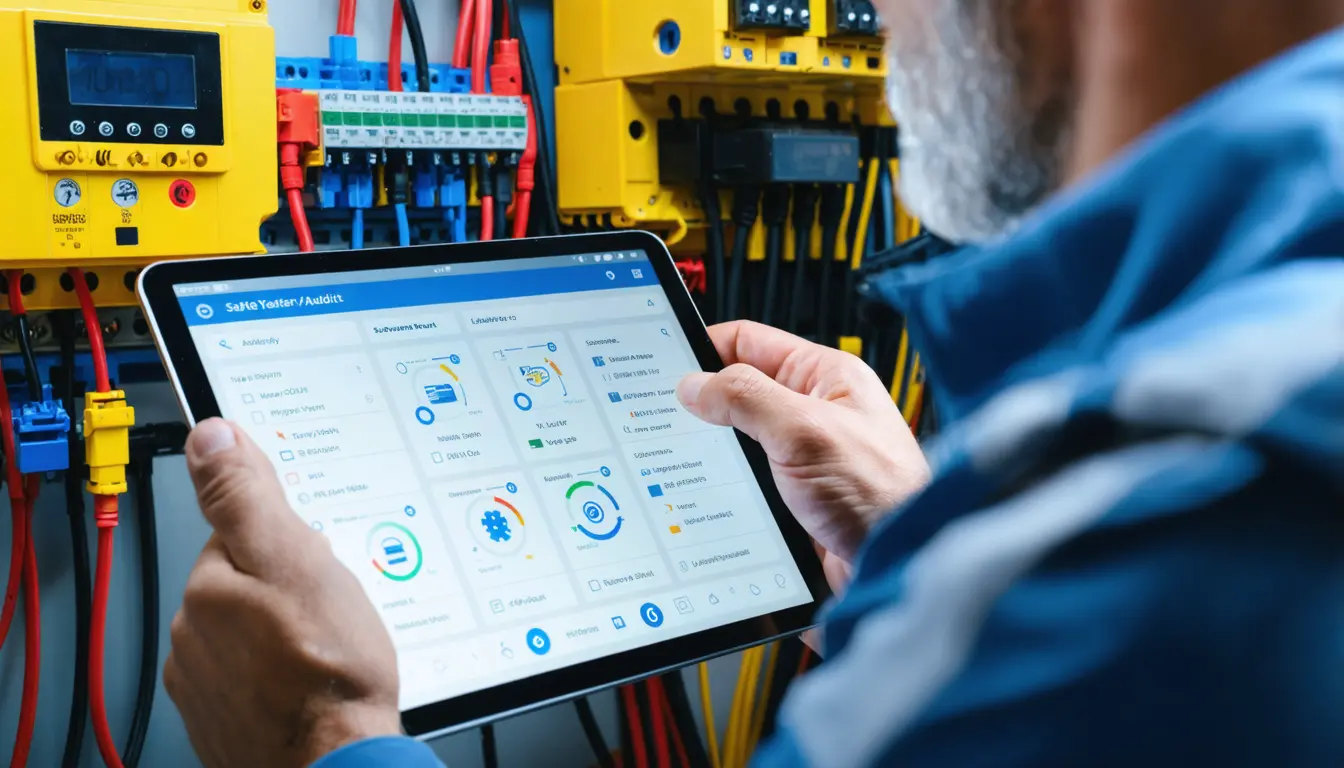
Case studies highlighting the successful implementation of digital tools in safety audits provide compelling evidence of their effectiveness in enhancing safety protocols within the electrical industry. One notable example involves a large commercial building undergoing routine safety assessments. The facility management team adopted electrical audit software in the UK, allowing electricians to conduct real-time evaluations of the electrical system. By utilizing this digital solution, they identified several critical areas needing immediate attention, including outdated circuitry and inadequate grounding systems. The ease of documenting these findings in a structured format enabled the team to prioritize actions swiftly, ensuring compliance with safety regulations and significantly reducing potential risks.
Another case study emerges from a utility company that faced challenges in maintaining consistent safety standards across its various operations. The company implemented a cloud-based system that allowed for centralized data collection and analysis. With electricians equipped with mobile devices, they could perform audits in the field and instantly upload their findings to a shared platform. This integration not only streamlined communication across teams but also facilitated historical data comparisons, helping to identify recurring safety issues and enabling a more proactive approach to risk management.
Furthermore, a residential electrical contractor adopted digital tools during their annual safety audit process. By replacing traditional paperwork with electrical audit software in the UK, the contractor increased the accuracy of their inspections. The software allowed for easy monitoring of compliance with up-to-date standards and generated detailed reports for clients, which improved transparency and trust. Clients appreciated receiving immediate feedback and follow-up action plans, fostering stronger client relationships and enhancing the contractor’s reputation for safety.
These case studies illustrate the transformative impact that digital solutions can have on safety audits within the electrical sector. By incorporating technology into their processes, electricians are not only improving the quality of their assessments but also reinforcing the overall culture of safety and compliance in an increasingly complex regulatory landscape. The success seen in these examples advocates for broader adoption of digital tools, promising a future where safety audits are efficient, accurate, and proactive.
Future Trends in Electrical Safety Technology
The future of electrical safety technology is on the brink of a significant transformation, driven by advancements in artificial intelligence (AI), machine learning, and the Internet of Things (IoT). These innovations are set to redefine how safety audits are conducted, making them more efficient and effective. One of the most promising developments is the integration of AI-driven analytics into electrical audit software in the UK, which will allow for predictive analysis of potential safety hazards. By analyzing historical data and identifying patterns, these systems can provide electricians with insights that anticipate issues before they become critical, enabling proactive maintenance and interventions.
Furthermore, IoT devices are increasingly being utilized to monitor electrical systems in real-time. These devices can track various metrics, such as energy consumption, system loads, and fault data, communicating this information back to a centralized platform. Such connectivity allows electricians to receive immediate alerts regarding anomalies that could indicate safety risks, ensuring that they can act swiftly to mitigate potential dangers. A future where connected devices continuously assess the health and safety of electrical infrastructures signifies a leap toward more responsive and effective safety audits.
Cloud-based platforms are also evolving, enhancing collaboration among various stakeholders involved in the safety audit process. With remote access capabilities, teams can work together in real-time, regardless of their location, sharing insights and findings instantly. This level of collaboration will streamline the audit process further, allowing for more comprehensive evaluations and fostering a culture of shared responsibility for electrical safety.
The shift towards digital twins—virtual replicas of physical systems—can revolutionize how electricians approach safety audits as well. By simulating electrical systems in a virtual environment, electricians can test different scenarios, assess risks, and evaluate the impact of various safety measures without disrupting actual operations. This not only facilitates better planning but also enhances the accuracy of audits by providing a thorough understanding of system dynamics.
Moreover, as regulatory standards continue to evolve, digital solutions will play a vital role in ensuring compliance. Enhanced reporting capabilities embedded in electrical audit software in the UK will help electricians navigate complex regulatory requirements, providing them with the tools needed to maintain compliance effortlessly. As digital tools become more sophisticated, staying abreast of compliance standards will be simplified, reinforcing the commitment to safety and reliability in electrical installations.
As these trends continue to unfold, the role of electricians in safety audits will grow increasingly critical. The integration of advanced technology will empower them to conduct more efficient audits, make informed decisions, and ultimately enhance the safety of electrical systems across various sectors. The future of electrical safety technology promises to usher in unprecedented levels of accuracy, efficiency, and ultimately, safety, revolutionizing the landscape of electrical auditing.


