








Electricians Use Mapping Tools for Efficient Routing
Electricians are increasingly turning to mapping tools to streamline their operations and enhance their service delivery. These tools allow professionals to visualize and optimize their work routes, ensuring they reach job sites efficiently. An electrical route planner UK is a popular choice among electricians because it provides localized insights, considering factors such as traffic patterns and road conditions. The use of such technology minimizes travel time, reduces fuel consumption, and allows electricians to manage multiple appointments with ease. Moreover, many mapping tools integrate with scheduling software, further simplifying the planning process. By adopting these sophisticated tools, electricians can significantly improve their productivity and ultimately deliver better service to their clients.
New in this topic: Why Automated Purchase Orders Matter in Construction.
Benefits of Efficient Routing
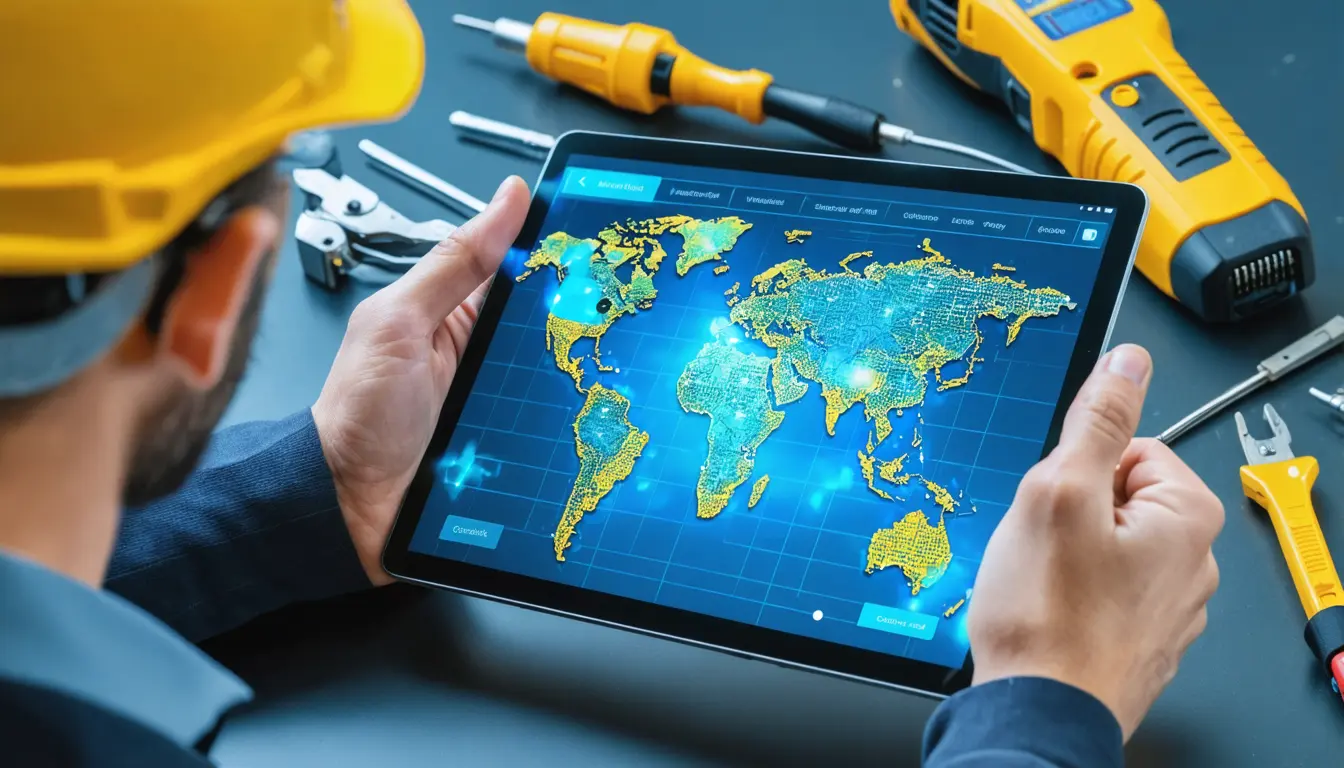
Efficient routing offers numerous advantages for electricians, ultimately enhancing their operational effectiveness and customer satisfaction. Firstly, by utilizing an electrical route planner UK, electricians can minimize the time spent on the road, allowing them to complete more jobs within a given time frame. This increase in efficiency directly translates to higher revenue opportunities, as professionals can service more clients and address more urgent requests. Additionally, reduced travel time contributes to lower fuel costs, offering significant savings in transportation expenses.
Moreover, efficient routing helps decrease the stress associated with tight schedules and traffic delays. With real-time updates and accurate route optimization, electricians can confidently navigate to job sites, knowing they are following the most direct paths available. This not only enhances their punctuality but also improves their reputation for reliability among clients.
Furthermore, decreased fuel consumption not only reduces costs but also has a positive environmental impact. By minimizing vehicle emissions through optimized routes, electricians contribute to a greener planet, aligning their practices with contemporary sustainability goals. Such considerations are increasingly important to customers in today’s eco-conscious market, making efficient routing an attractive proposition for businesses aiming to appeal to more environmentally aware clientele.
In addition to these benefits, the implementation of efficient routing also aids in better resource allocation. Electricians can more effectively plan their trips, ensuring that they have the necessary tools and materials on hand for each job, thereby minimizing delays and avoiding unnecessary trips back to the office or supply stores. Overall, the benefits of efficient routing extend beyond simple travel time reductions, enabling electricians to operate more effectively and deliver exceptional service to their customers.

Types of Mapping Tools
Mapping tools come in various forms, each tailored to meet the specific needs of electricians for routing and job management. One of the most commonly used tools is the mobile app that provides real-time driving directions. These apps often feature GPS integration, allowing electricians to select routes based on current traffic conditions and road closures. An electrical route planner UK is specifically designed to cater to the nuances of local regions, providing electricians with relevant insights that can significantly reduce travel times.
Another valuable type of mapping tool is web-based software that enables electricians to plot multiple job sites on a digital map. This allows for comprehensive planning and visualization, making it easier to schedule appointments efficiently. These platforms can often integrate with customer relationship management (CRM) systems and scheduling software, streamlining the entire process from client booking to service completion. The software may include features such as route optimization, where the tool automatically suggests the best path for visiting multiple locations in a single day, ensuring minimizing downtime and maximizing productivity.
In addition to traditional mapping tools, advanced geographic information systems (GIS) are also becoming prevalent among electricians. GIS technology provides in-depth spatial analysis that can help electricians assess geographical data, such as population density and infrastructure layout. This is particularly useful when planning projects that require extensive installations, allowing electricians to identify optimal locations for their work while considering the surrounding environment.
Moreover, some mapping tools are equipped with augmented reality (AR) features, offering a modern approach to visualizing job sites. With AR capabilities, electricians can overlay digital information onto the physical world, helping them to envision potential electrical layouts and installations before physically engaging with the site. This technology not only facilitates better planning but also improves safety by allowing electricians to anticipate and manage possible hazards in advance.
These diverse mapping tools contribute significantly to more effective routing strategies for electricians, leading to an overall enhancement of service delivery and operational efficiency. By leveraging these advanced solutions, electricians are better equipped to meet customer demands while optimizing their day-to-day activities.

Implementation Strategies

Implementing mapping tools effectively requires careful planning and integration into existing workflows for electricians. One of the first steps is assessing the specific needs of the business. This could involve determining the volume of jobs, the typical areas serviced, and understanding common traffic patterns in these regions. By identifying these requirements, electricians can select the most suitable tools, such as an electrical route planner UK, which offers localized insights to optimize routing based on real-world conditions.
Once the appropriate mapping tools are chosen, training is essential. Electricians should receive comprehensive training not only on how to use the mapping tools but also on best practices for route planning. This training can be a mix of hands-on experience and instructional sessions that focus on how mapping tools can be utilized to meet daily operational needs. Emphasizing the benefits of these tools during training ensures that all team members are motivated to adopt this technology actively.
Integration with existing software systems is another critical factor for successful implementation. Many electricians already use customer relationship management (CRM) and scheduling applications. Ensuring that the mapping tools can seamlessly connect with these systems will streamline the workflow, allowing for real-time updates on job appointments and routing changes. This integration minimizes the chance of errors and enhances overall efficiency in job management.
Moreover, feedback loops should be established to assess the effectiveness of the mapping tools in enhancing routing efficiency. Regular reviews will help identify any challenges and successes, allowing electricians to adjust their use of technology accordingly. By encouraging open communication about the usability and effectiveness of these tools, businesses can continually refine their processes to achieve optimal results.
In addition to these strategies, leveraging data analytics tools alongside mapping technology can provide further insights. By analyzing travel patterns, job completion times, and customer feedback, electricians can fine-tune their approaches to routing and customer service, creating a virtuous cycle of improvement. Implementing such data-driven strategies not only boosts operational efficiency but ultimately leads to higher customer satisfaction and loyalty.
Future Trends in Electrical Routing
The future of electrical routing is poised to undergo significant transformation as advancements in technology continue to reshape the landscape. One of the most promising trends is the increased integration of artificial intelligence (AI) and machine learning into mapping tools. These technologies can analyze vast amounts of data, including traffic patterns, job site requirements, and even weather conditions, to provide electricians with dynamic routing suggestions that adapt in real time. By utilizing an electrical route planner UK equipped with AI capabilities, electricians will be able to optimize their routes with unparalleled precision, resulting in more efficient operations and quicker turnaround times for their clients.
Another emerging trend is the rise of collaborative platforms that enable electricians to share insights and experiences regarding their routing challenges. These platforms facilitate the sharing of best practices and provide a community-driven approach to solving common issues faced in the field. By participating in such collaborative environments, electricians can benefit from collective knowledge, identifying innovative ways to enhance routing strategies and overcome obstacles.
Additionally, the advent of 5G technology is expected to further revolutionize the capabilities of mapping tools. With faster data transmission speeds and lower latency, electricians will gain access to real-time updates that can drastically improve decision-making processes during their daily operations. For instance, the ability to receive instant notifications about traffic congestion or unexpected road closures will empower electricians to make immediate adjustments to their routes, ultimately minimizing delays and increasing client satisfaction.
Moreover, sustainability will play an increasingly important role in the future of routing in the electrical industry. Electricians are becoming more aware of their environmental impact, and mapping tools will likely evolve to include features that help minimize carbon footprints. This could include suggesting eco-friendlier routes or optimizing schedules to reduce overall travel distances, aligning with the growing emphasis on sustainable practices across various sectors.
Finally, the integration of augmented reality (AR) within mapping tools signals a new direction for electricians. As AR technology becomes more accessible, electricians can visualize job sites in three dimensions, leading to improved planning and safety on-site. This technology allows professionals to overlay digital information onto physical environments, helping them anticipate installation challenges and streamline their workflows before arriving at job locations.
As these trends continue to develop, electricians will find themselves equipped with increasingly sophisticated tools that enhance their service delivery and operational efficiency, marking a exciting phase for the industry. Embracing these innovations will be essential for electricians seeking to thrive in a competitive and fast-evolving market.


