






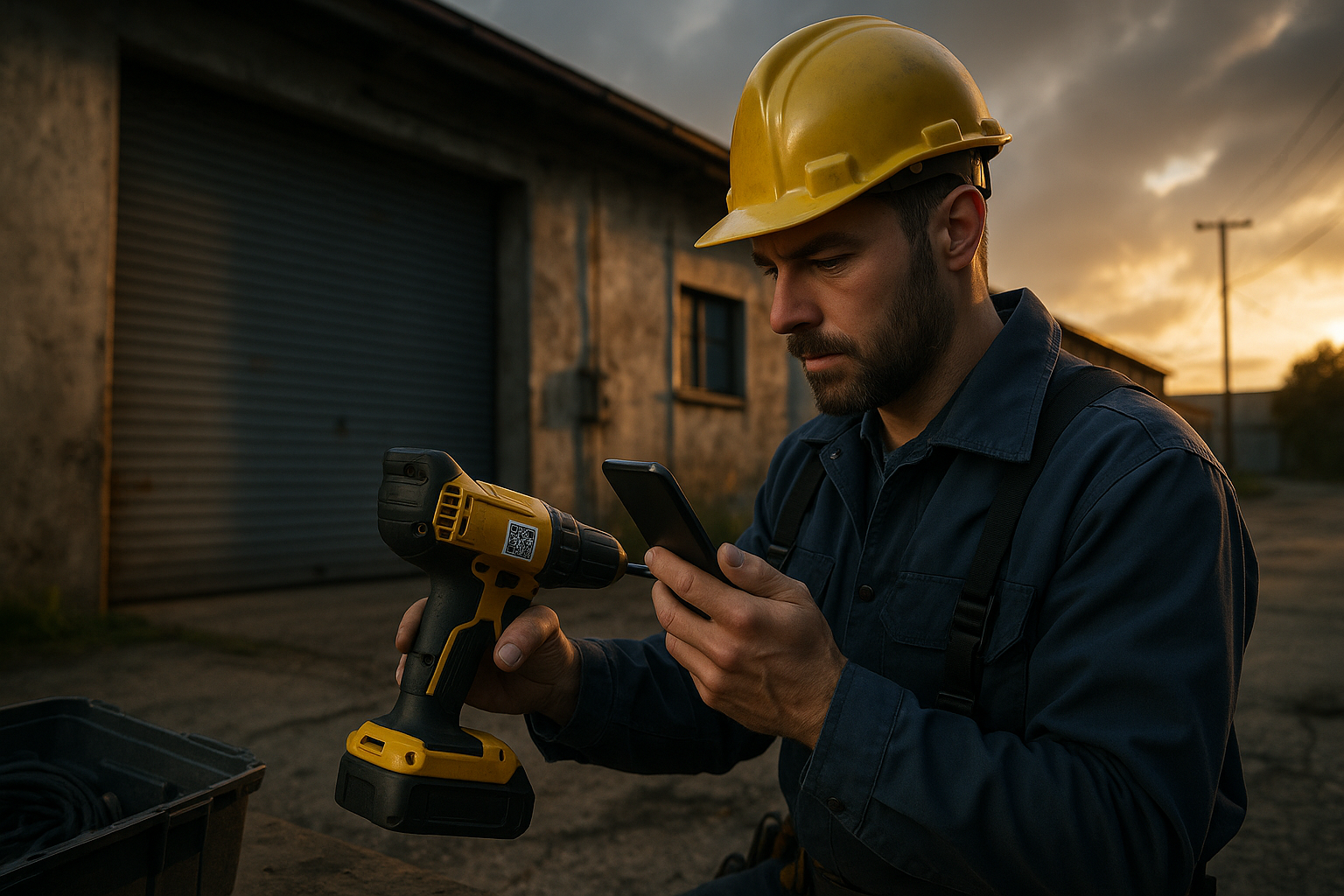

Electricians Use QR Codes for Equipment Tracking
One significant advantage of using QR codes in electrical work is the enhancement of inventory management. Electricians can quickly scan QR codes on equipment, which enables them to keep track of all tools and materials efficiently. This approach minimizes the risk of lost items and helps ensure that necessary equipment is always available on-site. Additionally, the use of electrical QR inventory UK has surfaced as a valuable resource for professionals, as it allows them to maintain real-time records of their assets, thereby streamlining operations and saving time. Another benefit is the increase in safety; by accessing equipment information directly from their smartphones or tablets, electricians can verify maintenance records and usage history instantly. This accessibility promotes better decision-making regarding equipment deployment and limits the chances of using outdated or faulty tools. Moreover, QR codes can facilitate easier tracking of repairs and warranties, which contributes to cost savings over time. Overall, integrating QR code technology into electrical work leads to improved organization, efficiency, and accountability in managing equipment and inventory.
New in this topic: Why Subcontractor Tools Improve UK Builder Efficiency.
Implementing QR Codes for Equipment Management
Implementing QR codes for equipment management requires a strategic approach to ensure maximum efficiency and usability in the field. Electricians need to start by generating unique QR codes for each piece of equipment or tool, incorporating essential details such as serial numbers, maintenance history, and operational manuals. Once the QR codes are created, they must be affixed securely to each item. This can be done using durable labels that can withstand the rigors of a construction or installation environment, ensuring that the codes remain scannable even after extensive use.
Electricians can then utilize smartphone apps or QR code reader tools compatible with their mobile devices to scan these codes. Upon scanning, users will be directed to a centralized database where all equipment information is stored. This system can be hosted in the cloud, allowing for remote access and real-time updates, making it easier for electricians to check the status and availability of tools at any time. Implementing proper training for staff is also crucial; they should be comfortable using QR code technology and understand how to access and update the inventory data effectively. By integrating these practices, firms can maintain an accurate electrical QR inventory UK, ensuring that all team members have access to the most up-to-date information about their equipment.
Additionally, creating a schedule for regular audits and updates of the QR code data can further enhance its efficacy. This proactive approach helps identify any discrepancies in inventory levels and ensures that any missing tools or equipment can be accounted for promptly. Furthermore, integrating QR codes with existing project management software can streamline the management process, as electricians can link equipment tracking directly to job assignments, thereby improving overall project efficiency and accountability.
Case Studies: Successful Adoption of QR Code Technology
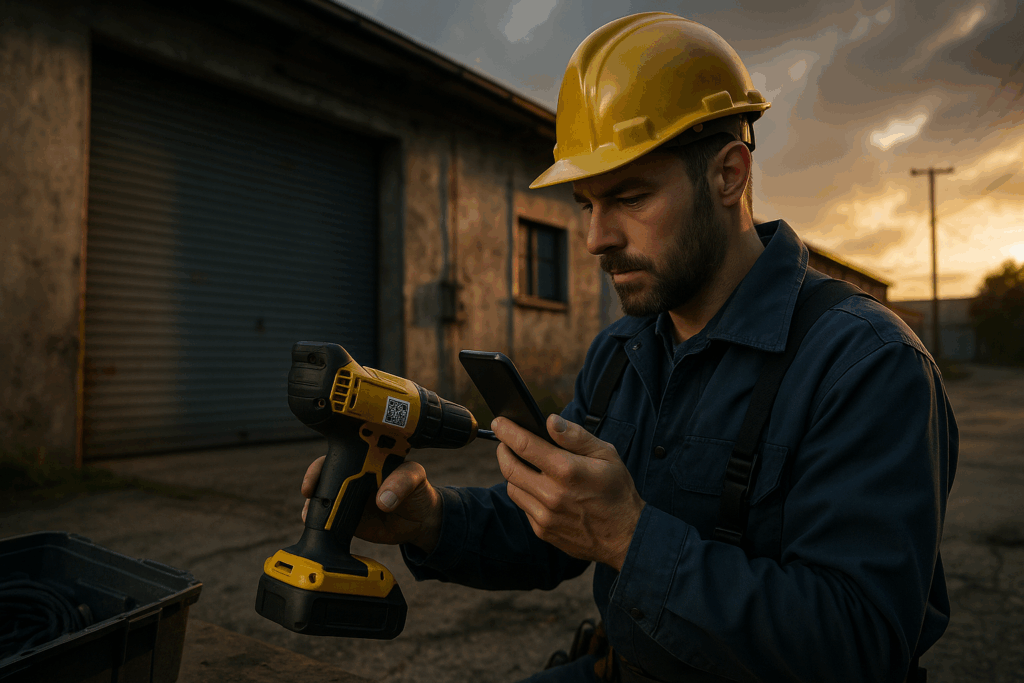
Several companies have successfully embraced QR code technology for equipment tracking, leading to improved efficiency and productivity in their electrical work. For instance, a medium-sized electrical contracting firm in London implemented QR codes across its inventory management system. By creating unique QR codes for every tool and piece of equipment, the company was able to minimize instances of lost materials and ensure that every technician had easy access to the tools they needed for their projects. Technicians simply scanned the codes using their mobile devices, which brought them to a detailed database containing vital information such as maintenance schedules, warranty statuses, and usage insights. This streamlined communication facilitated more effective planning and reduced downtime on job sites.
Another successful case is that of a large electrical services provider that operates nationwide. The company integrated QR codes with its existing fleet management system. By scanning QR codes affixed to each vehicle and piece of equipment, employees could quickly report usage and maintenance needs. The centralized database helped the fleet manager understand which tools required servicing or replacement, allowing the company to optimize its equipment lifecycle. The approach not only improved accountability but also led to considerable cost savings and increased safety compliance, as up-to-date maintenance records were just a scan away.
In a notable case in the United States, a regional electrical contractor adopted QR code technology during a large-scale construction project. The QR code system enabled teams to track materials from delivery to usage on site. Workers scanned the codes to receive real-time updates about inventory levels, which helped prevent delays caused by material shortages. Furthermore, the project managers used the insights provided by the QR codes to analyze equipment performance, which informed better purchasing decisions for future jobs. This empirical approach helped the contractor enhance its electrical QR inventory UK, leading to a more organized and efficient work environment.
Challenges and Solutions in QR Code Implementation
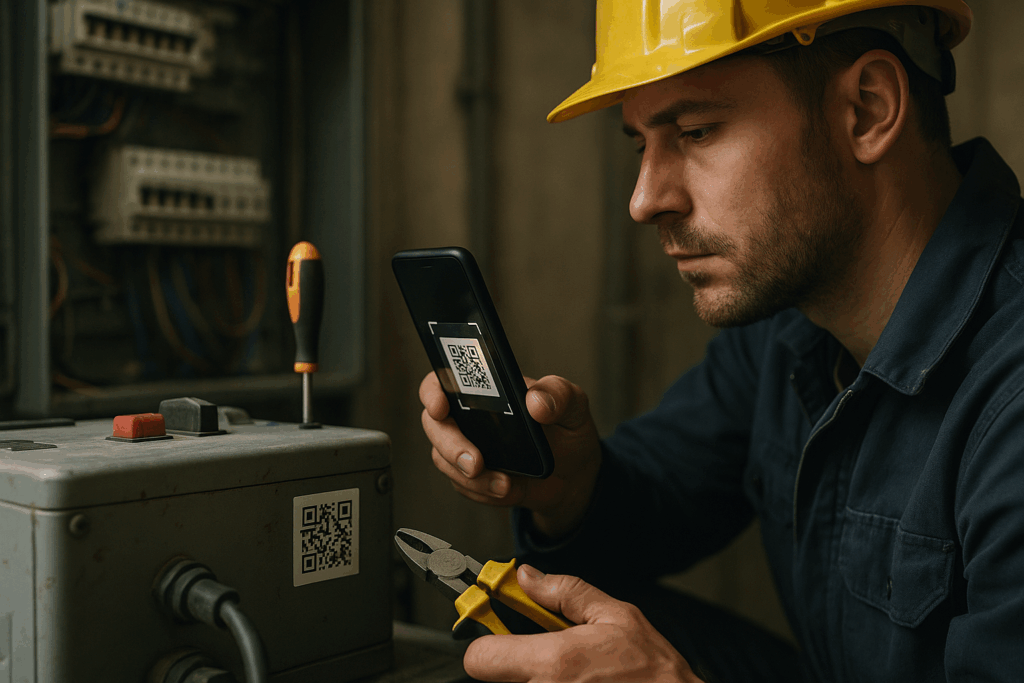
Despite the numerous advantages that QR code technology offers, several challenges can arise during its implementation in electrical work. One major obstacle is the initial setup cost, which includes expenses related to generating QR codes, purchasing durable labels, and investing in necessary software or apps for scanning and data management. Smaller electrical firms may find these costs burdensome, leading to a reluctance to adopt the technology. However, it’s crucial to recognize that these initial expenses can be offset by the long-term savings associated with improved inventory management and reduced losses.
Moreover, the adoption of QR codes requires a certain level of technological proficiency among the workforce. Some electricians may feel uncomfortable with new technologies or may lack the necessary training to effectively utilize QR code systems. This can lead to resistance or improper use of the technology. To mitigate this, companies should prioritize comprehensive training programs that not only teach staff how to use QR code readers but also emphasize the benefits of real-time access to information and inventory control. Regular refresher courses can also be beneficial, ensuring that staff remain proficient as technology evolves.
Data management poses another challenge, particularly when it comes to keeping the database updated and accurate. If QR codes are not consistently scanned or if information is not regularly reviewed, the entire system may become unreliable. Electricians should implement a routine maintenance schedule that includes checking QR code functionality, verifying the information linked to the codes, and conducting inventory audits. By incorporating these practices, companies can maintain a reliable electrical QR inventory UK and ensure seamless operations.
In addition, technical issues such as software compatibility and internet connectivity can hinder the effectiveness of QR code systems. Electricians working in remote locations may occasionally encounter difficulties accessing cloud-based databases or using apps due to weak connections. To combat this, firms can consider investing in offline-capable apps that allow for temporary storage of scanned data, which can later sync once a stable connection is available. This approach ensures that electricians can continue to track equipment effectively, regardless of their location.
Ultimately, while there are challenges to implementing QR code technology for equipment tracking in electrical work, proactive planning and clear communication can pave the way for successful adoption and integration. By addressing these potential roadblocks head-on, companies can harness the full benefits of QR code technology, leading to improved efficiency, organization, and accountability on the job site.
Future Trends in Equipment Tracking for Electricians
The future of equipment tracking for electricians is increasingly being shaped by advancements in technology, particularly with the rise of Internet of Things (IoT) integration and AI-driven solutions. As electricians become more reliant on QR codes for efficient management of their tools and materials, the potential for smarter tracking systems will expand significantly. This includes the possibility of connecting QR codes to IoT devices that can provide real-time data on equipment usage and performance, enabling electricians to make informed decisions based on live metrics. With such integration, not only can the status of tools be monitored, but predictive maintenance can be implemented to alert users before any issues arise, reducing downtime in the field.
Moreover, the development of augmented reality (AR) applications could revolutionize how electricians interact with equipment. By utilizing AR glasses or smartphone applications, electricians could scan QR codes and view an overlay of critical information, including maintenance history, operational instructions, and even troubleshooting tips right before their eyes. This enhanced accessibility to information would streamline their workflows and enhance productivity on the job site.
Another promising trend is the expansion of cloud-based platforms that can offer a more robust solution for managing electrical QR inventory UK. These platforms will likely provide advanced analytics features, allowing companies to track usage patterns, inventory levels, and maintenance schedules more effectively. By leveraging big data, electricians can identify trends in equipment wear and tear, enabling more strategic procurement and resource allocation, ultimately leading to reduced costs and increased efficiency.
As 5G technology continues to roll out, the connectivity and speed of data transfer will further enhance the capabilities of QR code systems. Electricians will benefit from faster access to cloud databases in real-time, even in remote areas, making it easier to manage their equipment effectively regardless of location. This enhanced connectivity can lead to improved collaboration across teams, as real-time updates can be communicated instantly, reducing communication gaps and minimizing errors during project execution.
Given these technological advancements, the future of equipment tracking for electricians is promising. Embracing innovations such as IoT integration, AR applications, and advanced analytics tools will not only streamline operations but will also create a more responsive and efficient working environment, ultimately setting higher standards within the electrical sector.


