








How Cleaning Companies Scale Without Per-User Software Fees
Scaling a cleaning company effectively requires a combination of strategic planning and the right tools. One approach involves identifying and implementing efficient processes that can support growth without overstretching resources. Companies can begin by clearly defining their target market and service offerings, which allows for tailored marketing strategies and streamlined operations. Utilizing commercial cleaning business software can significantly enhance efficiency by automating scheduling, invoicing, and customer management tasks. This not only saves time but also minimizes errors, thereby improving service delivery and client satisfaction. Furthermore, investing in training for staff ensures that everyone is aligned with the company’s growth objectives, leading to a more cohesive and motivated team. Establishing a feedback loop with customers can also aid in refining services, ensuring they evolve alongside market demands. Through these strategies, cleaning companies can position themselves for sustainable growth while maintaining high standards of service.
New in this topic: How ConstruX Simplifies Project Management for UK Trades Businesses.
Choosing the Right Technology Infrastructure
Choosing the right technology infrastructure is crucial for scaling a cleaning company effectively. An ideal infrastructure should integrate various functions such as scheduling, billing, and customer service into a cohesive system that promotes efficiency and flexibility. For many cleaning companies, adopting commercial cleaning business software becomes a central component of this infrastructure, as it provides tools that facilitate management tasks and enhance service delivery. The software often includes features such as automated scheduling, which helps optimize resource allocation and ensures that employees are assigned to tasks based on availability and skills. Additionally, features like electronic invoicing and payment processing streamline financial transactions, reducing the time spent on administrative tasks and helping maintain cash flow. Another major consideration is cloud-based solutions that allow for real-time access to data and communication from any location. This flexibility can be invaluable for teams that operate in multiple areas or need to coordinate with clients on the go. Furthermore, integrating customer relationship management (CRM) capabilities into the technology stack can help cleaning companies build stronger relationships with their clients. By keeping track of client information, service history, and preferences, companies can personalize their interactions and ensure high levels of satisfaction. Overall, selecting the right technology infrastructure empowers cleaning companies to scale efficiently while providing a high-quality service that meets the evolving needs of their clients.
Reducing Overhead Costs Without Compromising Quality
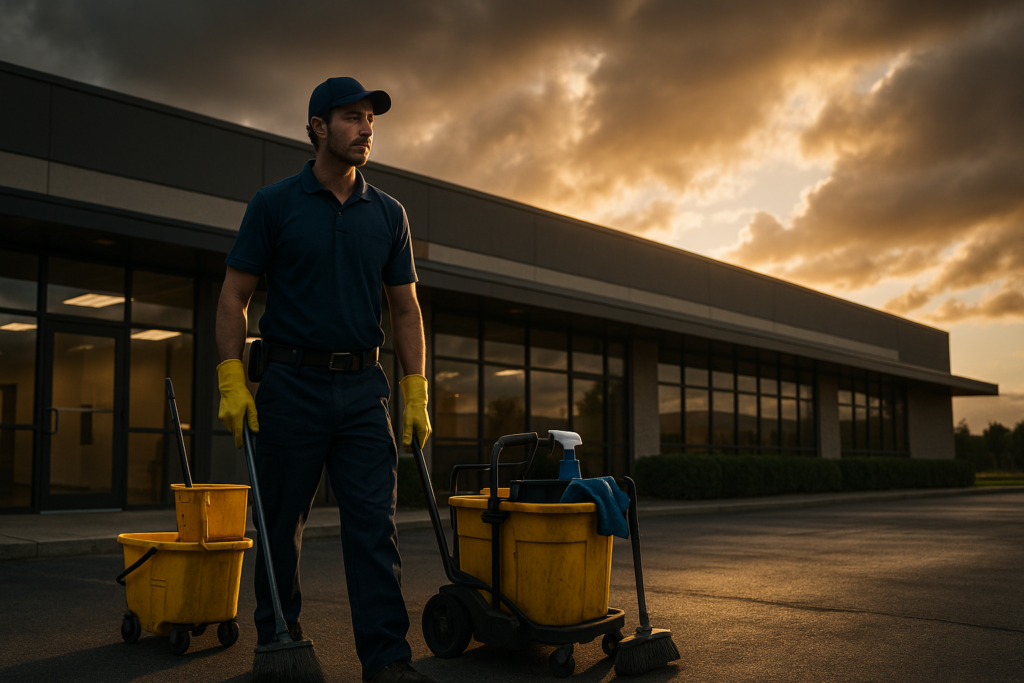
Reducing overhead costs without compromising quality is a critical aspect for cleaning companies looking to scale effectively. It requires a strategic approach to managing expenses while maintaining high service standards. One of the first steps involves evaluating current operational workflows to identify areas where resources may be utilized inefficiently. Implementing commercial cleaning business software can provide valuable insights into operations, revealing patterns in scheduling, employee performance, and resource allocation. By optimizing these processes, companies can reduce unnecessary costs, such as overstaffing or excessive spending on supplies.
Another vital strategy is renegotiating contracts with suppliers and service providers. Cleaning companies may find opportunities to secure better rates for cleaning supplies, equipment, or even service agreements with third-party vendors by consolidating orders or committing to long-term partnerships. Additionally, exploring bulk purchasing options can lead to significant savings. This approach not only reduces overhead but also ensures consistent quality and reliability in service delivery.
Training staff to be more efficient and effective is another way to cut costs without sacrificing quality. By investing in employee education, companies can foster a culture of accountability and excellence. Empowered employees are more likely to identify and suggest improvements that can lead to cost reductions. Regular training sessions can also minimize errors and the need for rework, ultimately saving the company both time and money.
Moreover, leveraging technology for remote management can significantly reduce operational costs. By utilizing cloud-based platforms, cleaning companies can streamline communication among team members and clients, reducing the need for physical meetings and travel expenses. These platforms often provide tools for monitoring employee performance and managing schedules from a centralized location, further enhancing efficiency. As cleaning companies incorporate these strategies, they can create a sustainable model that allows for scaling while maintaining high service quality, ultimately ensuring customer satisfaction and loyalty.
Streamlining Operations Through Automation
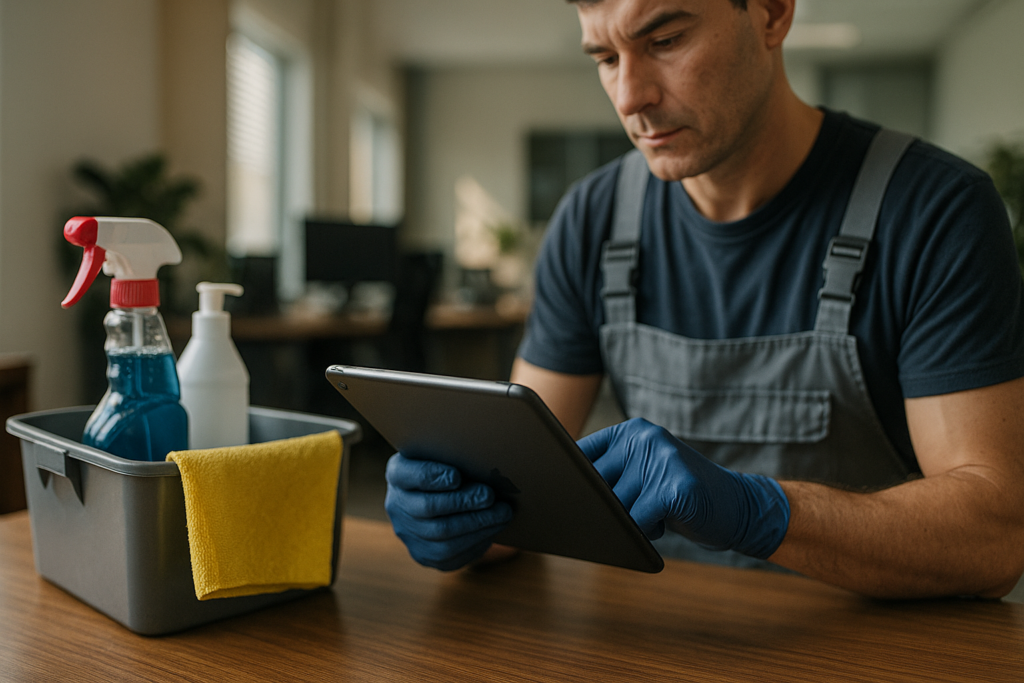
Automation serves as a powerful tool for cleaning companies looking to streamline their operations and enhance productivity. By implementing effective automated solutions, companies can reduce manual labor and free up valuable time for their staff, allowing them to focus on delivering quality service to clients. One of the primary areas where automation can make a significant impact is in scheduling. Commercial cleaning business software often includes automated scheduling features that help streamline the process of assigning jobs to cleaners based on their availability and skills, ensuring optimal use of resources and minimizing downtime.
Additionally, automation can extend to customer management, where client information and service history can be maintained within a centralized software system. This enables cleaning companies to respond to client inquiries swiftly, schedule follow-ups, and tailor services to meet specific customer needs without manual record-keeping. Automated reminders for client appointments or service renewals can increase client retention and satisfaction while reducing the chance of missed appointments.
Another key aspect of streamlining operations through automation is handling invoicing and payments. Automating the billing process can significantly cut down on administrative work and minimize errors related to manual entries. Commercial cleaning business software allows for easy generation of invoices based on service provided, calculation of fees, and tracking of outstanding payments. This not only speeds up the payment process but also helps maintain healthy cash flow, which is essential for growth.
Furthermore, leveraging automation for inventory management can lead to significant operational improvements. By monitoring supply levels through automated systems, cleaning companies can ensure they always have the necessary materials on hand without overstocking, which ties up capital unnecessarily. Automation can trigger alerts for re-orders, ensuring that inventory is maintained efficiently and effectively.
Moreover, performance monitoring tools integrated into automated systems provide analytics that help assess employee productivity and efficiency in real-time. This data not only helps management understand how to deploy resources better but also identifies training needs for staff, fostering a continuous improvement culture within the organization. By streamlining operations through automation, cleaning companies can reduce operational costs and enhance service delivery, positioning themselves for sustainable growth in a competitive market.
Building Strong Client Relationships for Growth
Building strong client relationships is essential for the growth and sustainability of cleaning companies in a competitive market. Establishing rapport with clients can lead to increased customer loyalty, higher retention rates, and ultimately, referrals that drive new business. One effective way to foster these relationships is through consistent and open communication. Utilizing commercial cleaning business software enables companies to maintain detailed records of client interactions, preferences, and feedback. This data allows managers to personalize communications and tailor services to meet specific needs, demonstrating a commitment to client satisfaction.
Regular check-ins, both in-person and through digital platforms, can significantly enhance client engagement. These interactions provide opportunities to gather feedback about service quality and address any concerns proactively. Engaging clients in this manner not only reinforces the notion that their opinions matter but also aids in building trust. Moreover, implementing automated follow-up reminders within the commercial cleaning business software can ensure that no client feels neglected, creating a seamless experience that encourages ongoing collaboration.
Another key strategy in relationship building involves demonstrating a commitment to quality and reliability. By consistently meeting or exceeding expectations, cleaning companies can cultivate a reputation that instills confidence in their clients. Providing easy access to performance metrics and feedback mechanisms through the software can showcase the company’s dedication to transparency and improvement. When clients see their suggestions being implemented and the service evolving to meet their needs, it strengthens their partnership with the cleaning company.
Networking is also a critical component of client relationship building. Attending industry events, local networking meetups, or community-based activities can open new doors and reinforce existing relationships. By being present and actively involved in the local community, cleaning companies can position themselves as trusted service providers who genuinely care about their clients and the areas they serve. Furthermore, investing in relationship management training for employees can empower the entire team to engage effectively with clients, fostering a culture of relationship-building throughout the organization.
In essence, the foundation of a successful cleaning company lies in its ability to build and maintain strong relationships with clients. By prioritizing communication, demonstrating reliability, and actively engaging with both current and prospective customers, cleaning companies set the stage for sustainable growth and a thriving business ecosystem.


