







How Damp Proofing Companies Track Survey to Completion
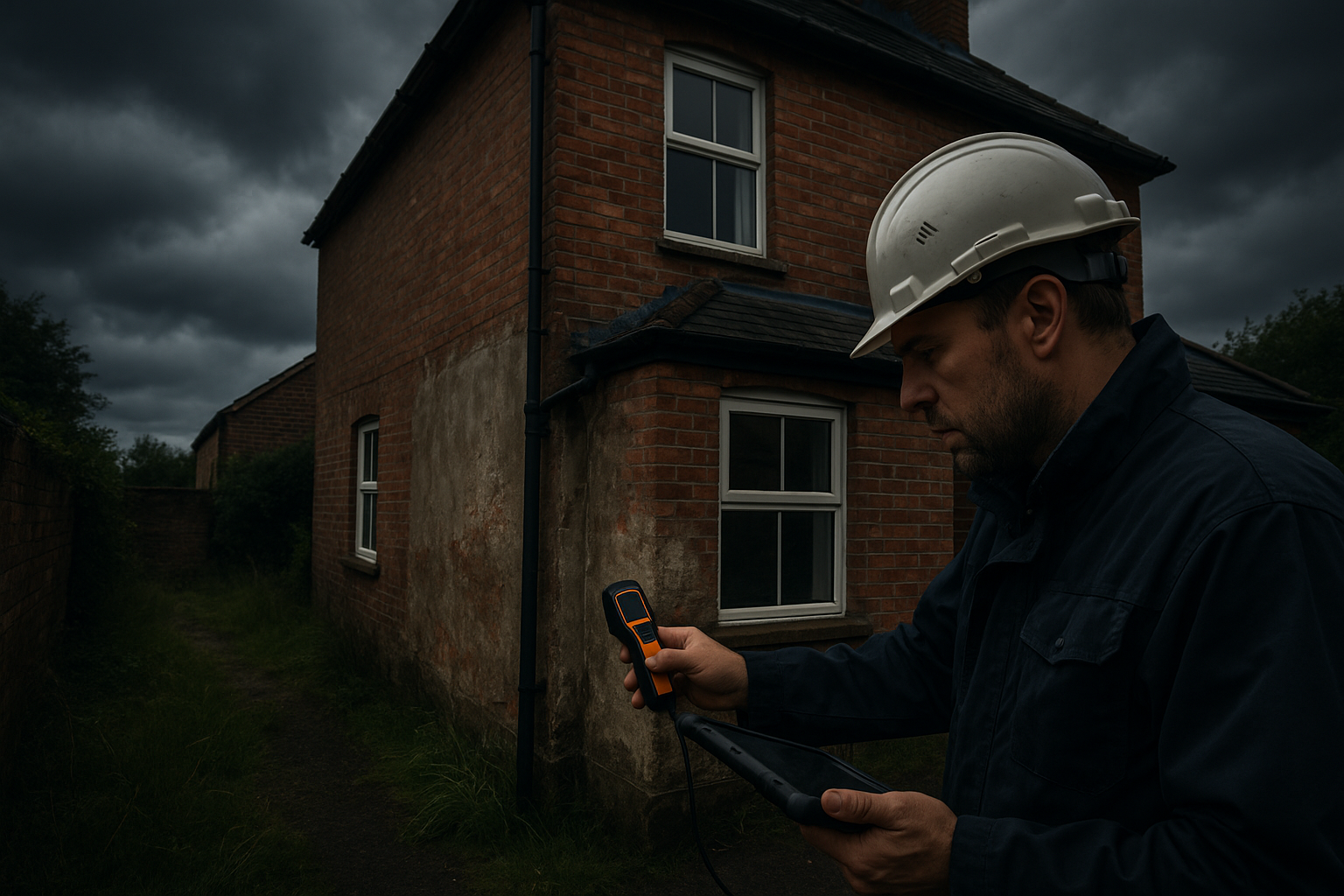
Damp proofing surveys are crucial in identifying the extent of moisture issues in a property and determining the best course of action to address them. These surveys typically involve a thorough inspection of the property, including walls, foundations, and adjacent areas that may contribute to damp problems. Trained professionals utilize various tools and techniques, such as moisture meters and thermal imaging, to accurately assess the condition of the building. This assessment serves as the foundation for any subsequent damp proofing measures. Integrating damp proofing business software into this process can streamline the collection and analysis of data, thereby enhancing the accuracy of the surveys. By digitizing the information gathered, companies can easily track findings, generate reports, and provide clients with clear insights into their property’s needs. The combination of hands-on inspection and advanced technology allows for a comprehensive understanding of damp issues, critical for effective remediation. Additionally, accurate surveys help in mitigating risks associated with prolonged dampness, such as structural damage and health hazards.
New in this topic: How ConstruX Transforms Project Management for UK Tradesmen.
The Importance of Accurate Assessments
Accurate assessments during a damp proofing survey are vital to the overall success of the remediation process. When surveys are precise, they allow for the tailoring of solutions that specifically address the unique moisture issues present in a property. Inaccurate assessments can lead to misdiagnosis, resulting in improper treatment and potentially worsening the existing problems. Hence, the role of trained professionals in conducting thorough inspections cannot be overstated. These experts must be adept at recognizing signs of dampness, interpreting the data collected, and making informed decisions regarding the necessary damp proofing solutions. Utilizing damp proofing business software enhances this process by ensuring all measurements and observations are systematically recorded and analyzed. Such software can provide historical data comparisons, allowing professionals to identify recurring issues and predict future problems. By integrating advanced technology in the assessment phase, damp proofing companies can significantly improve their accuracy, ensuring that clients receive reliable solutions tailored to their specific needs. Ultimately, the investment in precise assessments pays off in the long run, mitigating potential damage and fostering client trust in the effectiveness of the remediation efforts.
Technology Used in Tracking Progress
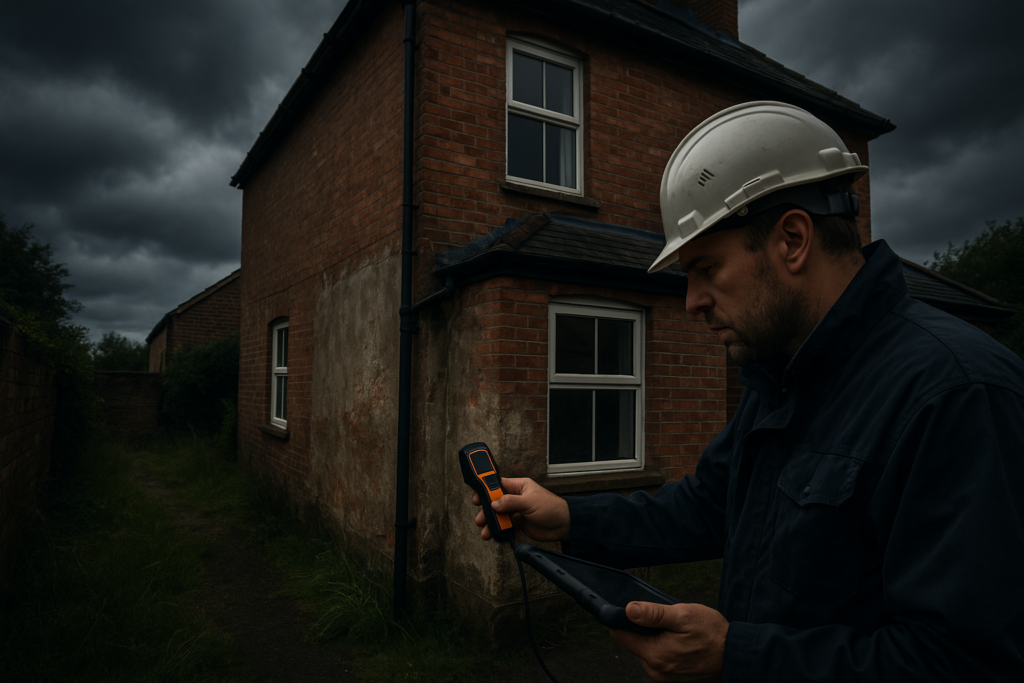
Technology plays a pivotal role in enhancing the tracking of progression from survey to completion in damp proofing projects. One of the primary advancements is the integration of damp proofing business software, which facilitates the efficient management of data collected during surveys. This specialized software enables professionals to input findings directly from the field, ensuring that information is logged accurately and in real-time. By centralizing data, companies can enhance communication among team members, making it easier to monitor the status of each project component.
In addition to streamlining data entry, such software often features tools for visualizing progress over time. Dashboards and reporting functions allow contractors and project managers to track critical indicators, such as the completion of various phases and the effectiveness of interventions applied. These visual aids not only promote accountability but also provide clients with transparent updates on the work being done in their properties. The ability to compare baseline data with current readings can demonstrate the tangible effects of damp proofing measures, reinforcing the value of the services provided.
Other technologies, such as drones and digital modeling tools, are also gaining traction in the industry. Drones can offer aerial views of properties, helping assess hard-to-reach areas and gather comprehensive data efficiently. Meanwhile, digital modeling tools can simulate moisture movement within building materials, allowing professionals to predict potential problems before they manifest. This proactive approach not only saves time but also enhances the overall quality of the damp proofing solution.
Moreover, mobile applications linked with damp proofing business software empower technicians in the field to gather results quickly and efficiently. By using smartphones or tablets, they can take notes, upload images, and share findings instantly, ensuring that everyone involved in the project stays informed. Enhanced communication leads to better coordination between surveyors, contractors, and clients, ultimately resulting in an improved workflow from the initial survey to the final touch-up.
The incorporation of technology in the tracking process is therefore invaluable. It not only optimizes operational efficiency but also bolsters accuracy in assessing and addressing damp issues. As the damp proofing sector continues to evolve, embracing technological advancements will remain crucial for companies aiming to deliver effective and timely solutions to their clients.
Key Steps from Survey to Completion
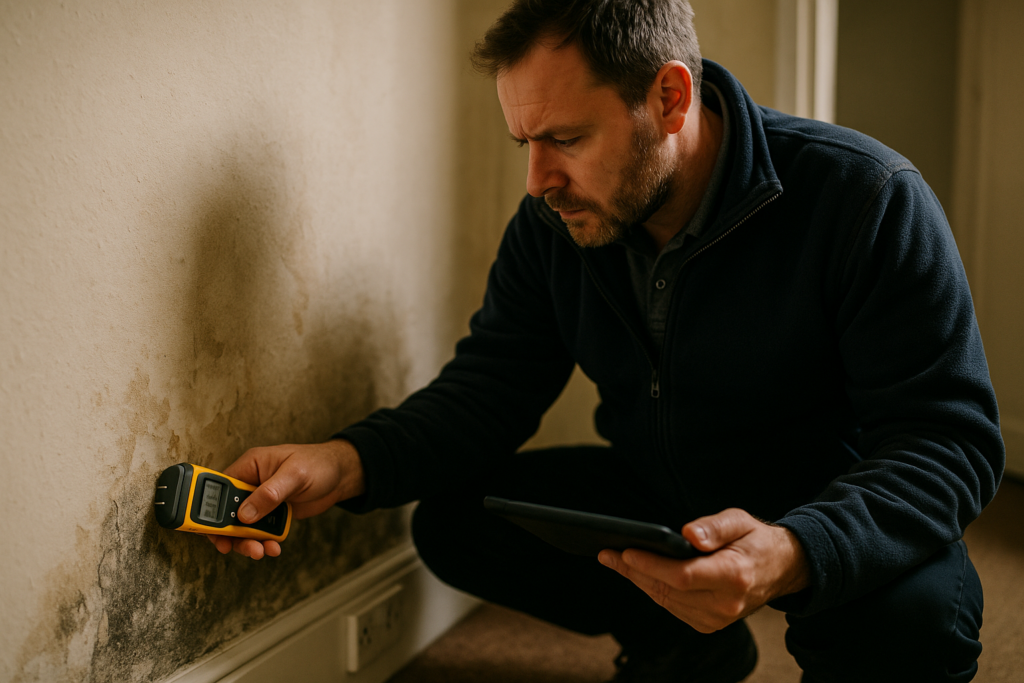
Once a thorough survey is conducted and the necessary assessments are completed, the next phase involves outlining the key steps from survey to completion in the damp proofing process. This phase is essential for ensuring that all identified issues are addressed efficiently and effectively. Initially, the findings from the survey are documented in detail, specifying the types of damp issues present, their severity, and recommended solutions. This documentation serves as a blueprint for the entire project, guiding contractors in their execution of the damp proofing work.
Following the documentation, a detailed action plan is developed, which includes timelines, necessary materials, and labor requirements. This action plan is critical as it establishes clear expectations for both the damp proofing company and the client. Utilizing damp proofing business software at this stage can enhance project management by allowing for real-time updates and adjustments. This software often includes project tracking features that enable contractors to manage schedules effectively, allocate resources optimally, and monitor progress against established goals.
Next, preparation begins with mobilizing the right equipment and materials to the site. This may involve installing any necessary safety measures and ensuring that all team members are fully equipped and briefed on the tasks ahead. Clear communication among team members is vital during this stage to ensure everyone is aligned with the planned execution strategy.
As the actual damp proofing work commences, regular check-ins are conducted to monitor the progress of the implementation against the initial action plan. These check-ins can involve on-site inspections, where project managers assess the quality of work being performed. The use of damp proofing business software can enhance this process by allowing for deviations from the plan to be recorded and addressed immediately. By tracking these changes in real-time, companies can mitigate potential issues before they escalate, ensuring that the project remains on track.
Once the damp proofing measures are applied, the final phase involves thorough inspection and testing of the completed work to verify effectiveness. This is important to confirm that the solutions implemented are resilient and will provide adequate protection against moisture in the future. After successful testing, documentation reflecting the work done, materials used, and the results obtained is prepared. This final report serves as a valuable resource for both the company and the client, illustrating the effectiveness of the interventions carried out.
Throughout this process, it is crucial to maintain open lines of communication with the client. Regular updates regarding progress, any unforeseen challenges encountered, and overall performance metrics help in managing expectations. This transparent communication fosters trust and ensures that clients feel informed and valued throughout the entire damp proofing project. By adhering to these key steps, from initial survey to project completion, damp proofing companies can deliver high-quality solutions that effectively address moisture issues in properties.
Customer Communication Throughout the Process
Effective communication with clients throughout the damp proofing process is paramount for ensuring satisfaction and building lasting relationships. As damp proofing companies work through the various stages of a project—from initial survey to final completion—keeping clients informed and engaged is essential. This begins immediately after the survey is conducted. Clients should be provided with a comprehensive overview of the findings. Clear explanations of any identified damp issues, along with the rationale behind recommended solutions, help clients understand the significance of the proposed work. In doing so, companies can alleviate any concerns regarding the condition of their property.
As the project progresses, consistent updates are vital. Utilizing damp proofing business software can significantly enhance this aspect of communication by enabling real-time tracking of the project status. Clients can receive notifications regarding milestones achieved, any changes to the original plan, and anticipated completion timelines. This proactive approach to communication helps manage client expectations and reinforces their confidence in the company’s capabilities.
Regular meetings—whether in person, over the phone, or via video conferencing—can also serve as a valuable forum for addressing client questions and concerns. Encouraging clients to share their thoughts can foster a collaborative atmosphere, making them feel more involved in the process. During these interactions, it is beneficial to discuss not only the progress of the damp proofing work but also any challenges the team may be facing. Transparency in addressing setbacks demonstrates a commitment to quality and builds trust.
As the project nears completion, it is crucial to prepare clients for the final walkthrough and inspection. Informing them about what to expect during this phase allows for a smoother transition and ensures they are ready to ask any remaining questions. After the inspection, providing clients with a detailed report that outlines the work completed, materials used, and performance evaluations further solidifies the value of the services rendered. An open line of communication post-project is also beneficial. Offering clients the opportunity to provide feedback can help companies refine their processes and enhance the overall customer experience. In turn, satisfied clients are more likely to refer the company to others, fostering growth and reputation in the damp proofing industry.


