







How Drainage Companies Manage Reactive and Planned Work
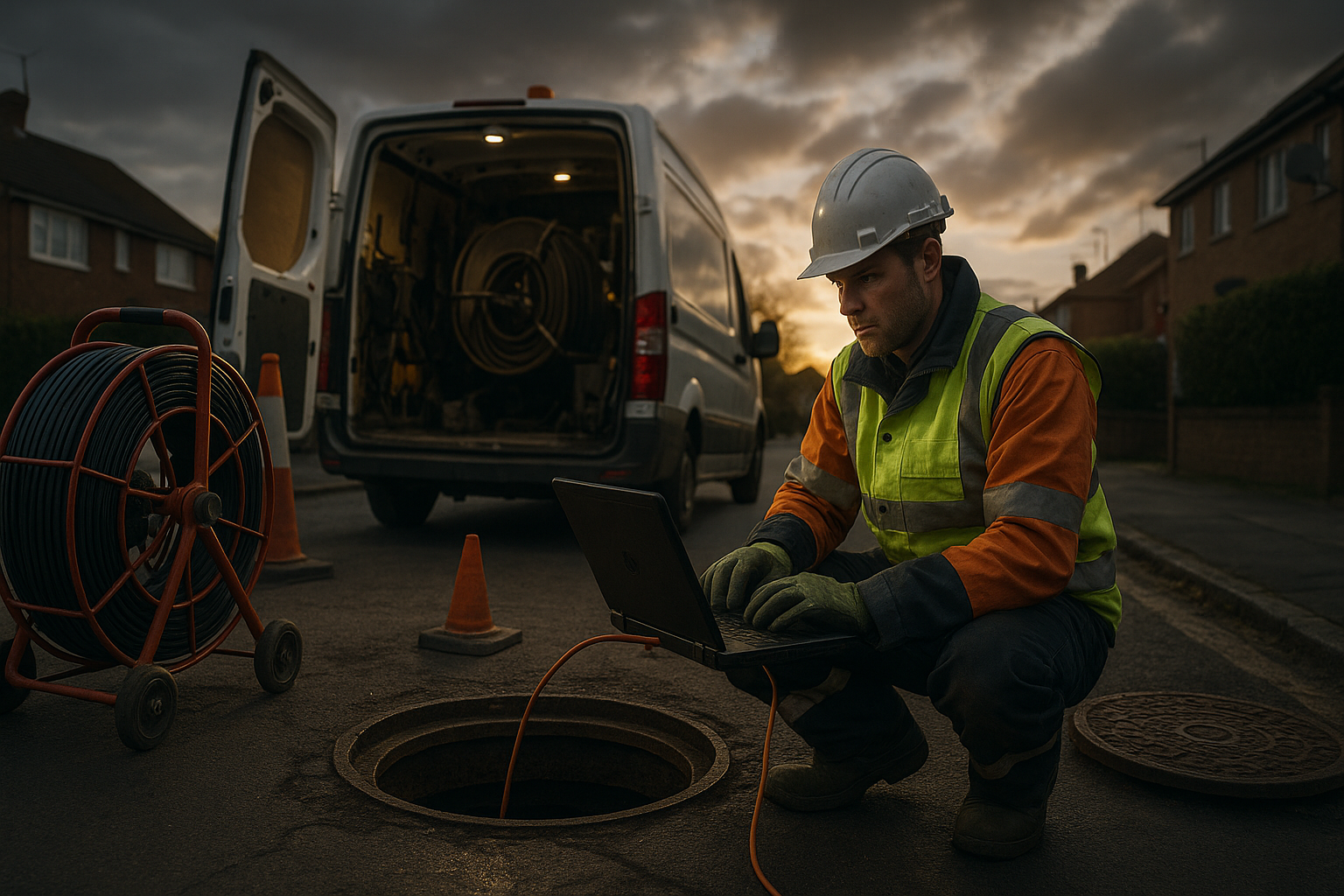
drainage companies face the dual challenge of managing reactive and planned work to ensure efficient operations and customer satisfaction. Balancing these two aspects is essential for maintaining an effective drainage service. Reactive work, often driven by unexpected emergencies such as blockages or system failures, requires quick response times and flexible resource allocation. On the other hand, planned work involves scheduled maintenance and upgrades, which can be systematically organized to enhance long-term efficiency and reliability.
New in this topic: How ConstruX Simplifies Project Management for UK Tradesmen.
To achieve this balance, drainage companies often turn to advanced drainage business software in the UK that provides real-time data and analytics. Such software allows companies to prioritize tasks based on urgency and impact, ensuring that critical reactive work does not disrupt the execution of planned projects. By integrating operational workflows, these tools facilitate the allocation of resources, minimizing downtime and optimizing both immediate responses and long-term planning.
Furthermore, effective communication with customers is vital. Companies must set clear expectations regarding response times for emergencies while also promoting the importance of planned maintenance to prevent future issues. Training staff to juggle these responsibilities is another critical factor, as skilled teams can adapt to the day’s demands and ensure that both reactive and planned tasks are handled efficiently. Ultimately, the ability to seamlessly switch between reactive work and planned projects is a hallmark of a successful drainage company.
Key factors in effective drainage management
Effective drainage management hinges on several key factors that ensure both immediate responses to emergencies and the systematic execution of planned maintenance. One of the most significant factors is the allocation of resources. Drainage companies must analyze their workforce, equipment, and materials to ensure that they can swiftly address urgent situations while not compromising the reliability of scheduled work. Properly distributing resources between these two types of work can prevent bottlenecks that lead to delays and customer dissatisfaction.
Additionally, data-driven decision-making plays a crucial role. By leveraging advanced drainage business software in the UK, companies can aggregate data from various sources, allowing them to predict when systems are likely to fail or identify areas that need proactive maintenance. This predictive analysis helps companies prioritize tasks effectively, enabling them to allocate resources where they are most needed, thus enhancing overall operational efficiency.
Furthermore, employee training and engagement significantly contribute to effective drainage management. Staff members should be equipped with the skills to assess situations quickly and determine the best course of action, whether it requires immediate response or planned maintenance. Encouraging a culture that values teamwork and communication can enhance the company’s ability to tackle challenges as they arise, fostering an adaptable workforce that can respond efficiently to both planned and reactive demands.
Lastly, customer relationship management is essential for successful drainage operations. Keeping customers informed about scheduled maintenance and any potential delays in reactive work due to high demand can build trust and understanding. These communication strategies not only improve customer satisfaction but also help manage expectations, ensuring clients appreciate both the necessity of the planned work and the urgency of reactive responses.
Technology’s role in drainage operations
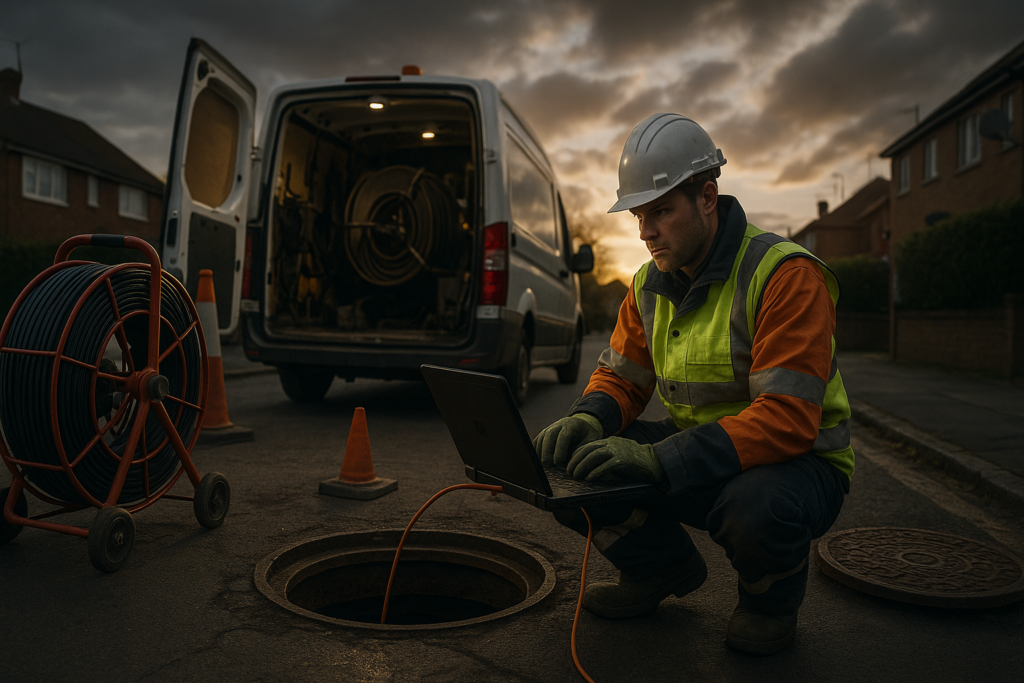
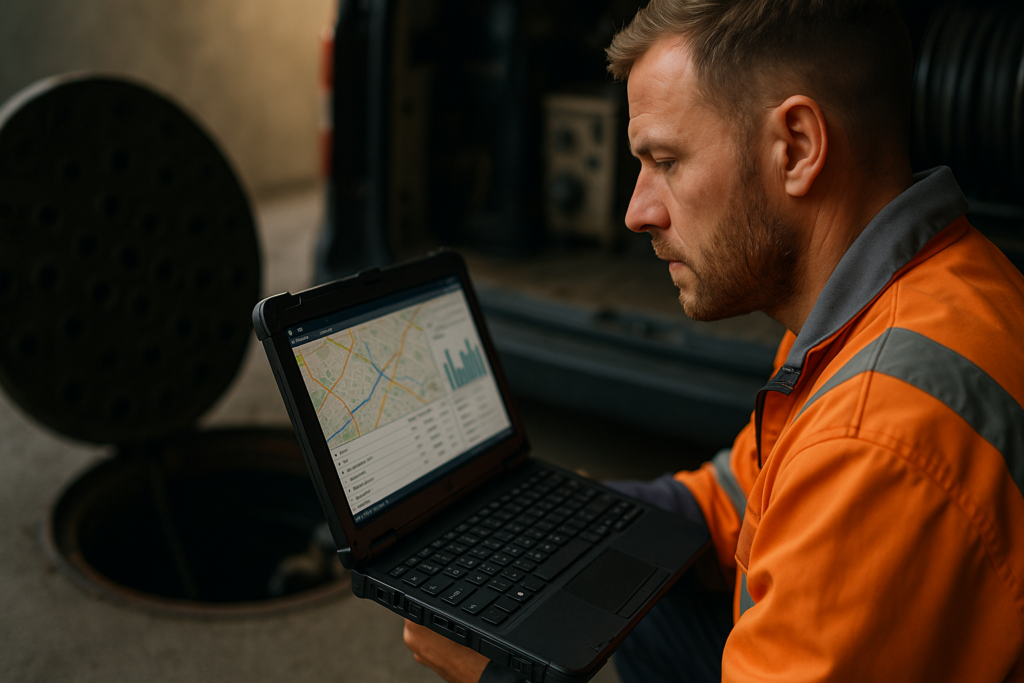
In today’s fast-paced environment, technology plays a pivotal role in optimizing drainage operations. The adoption of drainage business software in the UK has become increasingly essential for companies seeking to enhance efficiency and responsiveness. These software solutions allow for real-time monitoring and management of drainage systems, enabling firms to track the status of projects and identify potential issues before they escalate into emergencies. With the integration of Geographic Information Systems (GIS), teams can visualize drainage layouts, historical data, and maintenance records, providing a comprehensive overview that aids in informed decision-making.
Moreover, the incorporation of mobile applications allows field workers to access vital information on-the-go. Crew members equipped with tablets or smartphones can obtain immediate updates on job sites, report issues as they arise, and input data back into the system for real-time analysis. This instant connectivity ensures that communication flows seamlessly between the office and the field, allowing for quicker responses to reactive situations while maintaining the momentum of ongoing planned projects.
Another significant aspect of technology in drainage operations is the utilization of IoT (Internet of Things) devices. Sensors can be deployed in various parts of the drainage infrastructure to monitor flow rates, detect blockages, and assess the condition of the pipes. This data can be processed to predict failures and recommend proactive maintenance, potentially preventing costly emergency repairs. Such predictive maintenance strategies are not only efficient but also align with the overall goal of minimizing disruptions for customers.
Training staff to utilize these technological advancements also plays a crucial role. Comprehensive training programs can empower teams to leverage the functionalities of drainage business software in the UK, ensuring they are familiar with the tools that can streamline their workflows. This knowledge equips personnel to make data-driven decisions, enhancing the company’s ability to prioritize workloads effectively between reactive and planned tasks.
Technology serves as a backbone for modern drainage operations, enhancing not only the efficiency of managing both reactive and planned work but also improving overall customer satisfaction. The continuous evolution of these technologies promises a brighter future for drainage management, where challenges can be addressed more proactively and efficiently.
Case studies: Successful reactive and planned projects
Successful case studies of drainage companies illustrate how effectively balancing reactive and planned work can lead to enhanced service delivery and customer satisfaction. One notable example involves a drainage company that implemented an advanced drainage business software UK to streamline operations. Faced with an increasing number of emergency calls due to flooding, the company used the software to analyze historical data and predict areas at high risk of blockages. By proactively allocating resources to those regions for preventive maintenance, they significantly reduced the number of emergency callouts, improving overall response times.
Another compelling case study highlights a company that managed to enhance its workflow by integrating mobile technology with its scheduling system. Field workers were equipped with tablets that allowed them to receive real-time job updates and report issues directly back to the control center. This integration proved invaluable during a recent heavy rainfall season when rapid response was critical. The company was able to dispatch teams more efficiently, addressing reactive work without compromising the scheduled maintenance that had been meticulously planned ahead of time.
<pAdditionally, a drainage company focused on training its staff to embrace both reactive and proactive roles within the organization. This initiative not only empowered employees to make informed decisions in the field but also increased their engagement with planned projects. As a result, this led to a culture where team members took ownership of their responsibilities, understanding the importance of addressing urgent issues while recognizing the value of dedicated time for planned works. The impact was evident in their improved performance metrics, including quicker turnaround times for both emergency repairs and scheduled maintenance tasks.
Moreover, a notable success story involved a company that combined customer relationship management with its operational strategy. By using the drainage business software UK to send out alerts about planned maintenance and potential disruptions during reactive work, the company maintained transparency with its clients. This proactive communication approach not only mitigated client frustration during unexpected emergencies but also fostered goodwill, resulting in increased customer loyalty and repeat business.
These case studies reveal that the successful integration of technology, proactive resource management, and employee training are pivotal in navigating the challenges of reactive and planned drainage work. Companies that learn from these examples can position themselves to improve their service delivery, ensuring that both urgent and scheduled tasks are addressed effectively and efficiently.
Best practices for optimizing drainage workflows
To optimize drainage workflows effectively, companies must implement a set of best practices that ensure both reactive and planned tasks are addressed efficiently. One crucial practice is the establishment of clear prioritization protocols. By defining a structured approach to categorize tasks based on urgency and potential impact, drainage firms can allocate resources dynamically, ensuring that emergency situations are handled promptly while not neglecting scheduled maintenance. This prioritization can be enhanced through the use of drainage business software UK, which allows companies to analyze data in real-time and adjust their operations accordingly.
Another best practice is the continuous review and refinement of operational processes. Engaging in regular audits of both reactive and planned work can help companies identify bottlenecks and inefficiencies within their workflows. By continuously iterating on these processes, firms can streamline operations, lessen response times, and enhance overall service delivery to their customers. Implementing feedback loops from staff who are on the front lines can provide valuable insights into areas for improvement, ensuring that the team’s expertise is leveraged in refining workflows.
Utilizing automation tools is also essential for optimizing drainage workflows. Automated scheduling and task assignment can significantly reduce the administrative burden on staff, allowing them to focus on executing their duties effectively. With the help of drainage business software UK, companies can automate notifications for clients regarding scheduled maintenance or service updates, reducing the need for manual follow-ups and maintaining a high level of customer engagement.
Moreover, fostering a culture of collaboration among teams is vital for successful drainage operations. Encouraging communication between departments such as field operations, customer service, and management can build a more cohesive approach to both reactive and planned work. Regular team meetings and sharing of insights can help to align everyone towards common goals, ensuring that team members are aware of current priorities and can support each other’s work.
Investing in continual staff education is also a best practice that cannot be overlooked. Providing training programs that focus on both technical skills and customer service can empower employees to handle emergencies while maintaining a focus on long-term projects. By ensuring that all staff members are well-versed in the available tools and technologies, including drainage business software UK, companies can enhance their ability to respond effectively to challenges presented by both reactive and planned tasks.
Lastly, establishing strong relationships with suppliers and service partners can contribute to optimized workflows. Reliable supply chains ensure that necessary equipment and materials are readily available, eliminating delays caused by procurement issues. Collaboration with external partners can also facilitate the sharing of best practices and support systems, which can lead to improved efficiency across projects.


