








How Groundworkers Track Multiple Site Operations
Effective tracking of site operations is crucial for groundworks businesses aiming to maximize efficiency and minimize delays. The ability to monitor multiple sites simultaneously allows groundworkers to allocate resources wisely, ensuring that each project maintains its momentum. By implementing robust groundworks business software UK, site supervisors can gain real-time visibility into progress across various locations. This software enables the collection of critical data related to labor, equipment usage, and material supplies, streamlining decision-making processes. Additionally, having a centralized platform for tracking operations ensures that all team members are aligned and informed about each site’s status. Accurate tracking not only enhances productivity but also aids in identifying potential issues before they escalate, fostering a proactive approach to site management.
New in this topic: How ConstruX Simplifies Project Management for UK Tradesmen.
Technological Tools for Groundworkers
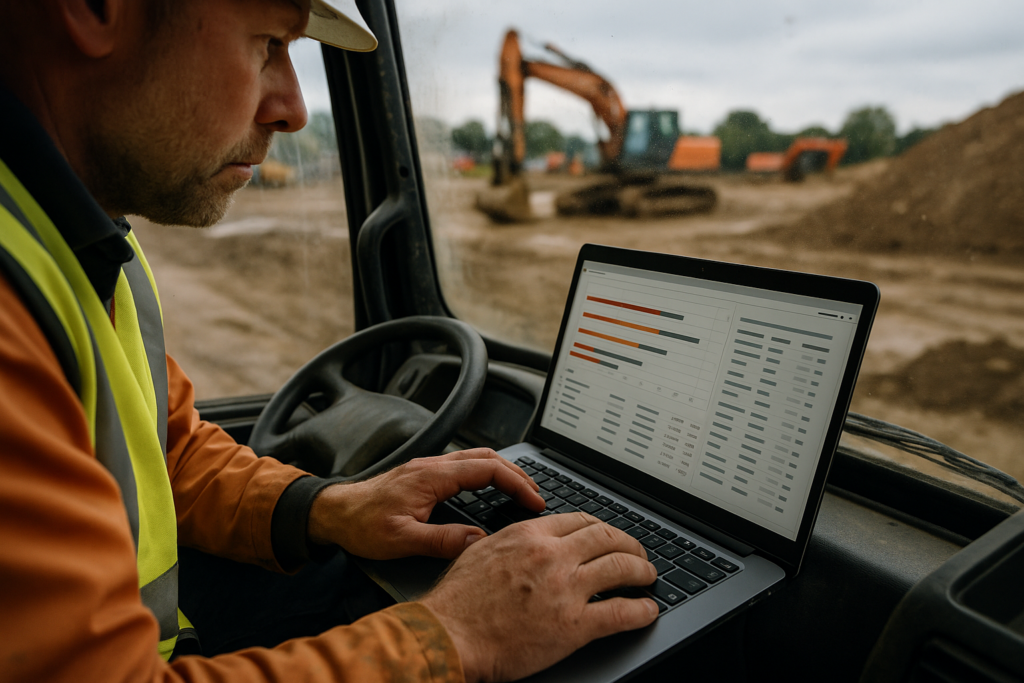
To effectively manage multiple site operations, groundworkers increasingly rely on advanced technological tools designed specifically for the construction industry. One of the most vital tools is groundworks business software UK, which offers comprehensive features tailored to the needs of groundworkers. This software often includes modules for project management, scheduling, and resource allocation, enabling teams to oversee every aspect of their operations from a single platform. Mobile applications associated with this software allow field workers to input data in real-time, enhancing communication and ensuring that all team members have access to up-to-date information. Furthermore, the integration of GPS technology helps track equipment and vehicle locations, allowing for efficient logistics and resource deployment on multiple sites. Utilization of drones for site surveys further enhances operational oversight, providing aerial views that assist in monitoring site progress and identifying obstacles. As technology continues to evolve, groundworkers must stay informed about these tools to maintain a competitive edge and optimize site performance.

Best Practices for Data Collection
Data collection is a critical aspect of managing multiple site operations effectively. To ensure accurate and comprehensive data gathering, groundworkers should adopt best practices that not only improve efficiency but also enhance the reliability of the information collected. One essential practice is standardizing data entry procedures across all sites. By establishing a uniform format for entering data, such as labor hours, equipment usage, and material inventory, groundworkers can facilitate easier analysis and prevent discrepancies that may arise from inconsistent reporting. This standardization can be seamlessly integrated within groundworks business software UK, which often includes templates and forms designed to streamline data entry.
Another important aspect is the training of staff on the use of digital tools and technologies. Ensuring that all team members are proficient in using groundworks business software UK and other relevant applications minimizes errors and increases overall data quality. Regular training sessions and refreshers can help maintain a high level of competency among the workforce. Furthermore, implementing a systematic approach to data validation can catch errors early in the process. This could involve routine audits of the collected data and employing automated checks within the software to flag anomalies.
Additionally, actively involving field workers in the data collection process encourages ownership and accountability, leading to more accurate reporting. When workers understand the importance of their contributions to the overall project success, they are more likely to provide precise and timely information. Complementing traditional data collection methods with mobile technology allows for real-time updates, reducing lag time and improving the responsiveness of decision-making. Finally, utilizing cloud storage solutions ensures that data is easily accessible to all stakeholders, reinforcing collaboration and enabling faster responses to site-specific challenges.
Challenges in Managing Multiple Sites
Managing multiple sites poses numerous challenges that can complicate the coordination and execution of groundwork operations. One of the primary difficulties is the communication barrier that can arise when team members are spread across various locations. Ensuring that all workers have access to the same information in real time is essential for maintaining consistency and preventing miscommunication. Groundworkers often deal with varying schedules, responsibilities, and site conditions, which can lead to fragmentation of data and hinder effective decision-making. This is where reliance on efficient groundworks business software UK becomes imperative. The software must provide seamless communication channels to keep every team member informed and aligned, especially as changes occur on-site.
Another challenge is resource allocation. Groundworkers often face limitations in equipment and manpower that can lead to delays if not managed properly. The ability to track resource utilization effectively across multiple sites is critical. Without a centralized system, it is easy to overlook equipment scheduled for a different location or misjudge the workforce needed for a project. This often results in either equipment shortages, leading to downtime, or surplus resources, causing unnecessary costs. Utilizing groundworks business software UK that includes resource management capabilities enables supervisors to visualize resource distribution, make informed decisions, and redistribute assets as necessary to mitigate these issues.
<p Additionally, compliance with various regulations and safety standards at each site can complicate operations. Different locations may be subject to distinct rules, which can be overwhelming for managers trying to keep track of requirements. Failing to comply with these standards can lead to halted projects, penalties, or unsafe working conditions. Therefore, it is vital for groundworkers to implement compliance tracking features within their groundworks business software UK to automate reminders and maintain an organized record of necessary certifications and inspections across multiple sites.
Further complicating matters is the unpredictable nature of weather conditions, which can disrupt planned schedules and require quick adjustments to resources and timelines. Groundworkers must remain agile, leveraging their software to analyze how weather impacts site operations and adjusting project plans accordingly. Accurate forecasting and dynamic scheduling capabilities within their technological tools can help groundworkers remain ahead, adapting to changing conditions while minimizing disruptions.
Workforce management can be a significant challenge, particularly when dealing with shifting labor availability and skill sets across different sites. A centralized system for tracking employee performance, hours worked, and skill certifications within a single groundworks business software UK platform simplifies this process, providing managers with the ability to allocate labor effectively and ensure that the right skills are deployed where they are needed the most. By addressing these challenges proactively, groundworkers can enhance their operational efficiency, reduce costs, and maintain project timelines across multiple locations.
Future Trends in Groundwork Operations
As the groundwork industry evolves, several key trends are emerging that will shape the future landscape of site operations. One significant trend is the increasing integration of artificial intelligence (AI) and machine learning into groundworks business software UK. These technologies allow for smarter data analysis, enabling groundworkers to predict project outcomes more accurately and optimize resource allocation. For example, AI algorithms can analyze historical project data to forecast labor needs, equipment usage, and even potential delays due to external factors. This predictive capability empowers project managers to make informed decisions that increase efficiency and reduce costs.
Moreover, the adoption of augmented reality (AR) and virtual reality (VR) is gaining traction in the groundwork sector. These technologies provide groundworkers with innovative tools for planning and visualizing site operations before any physical work begins. AR can assist workers on-site by overlaying digital designs onto the real-world environment, allowing for real-time adjustments and enhancing collaboration among team members. By experiencing a virtual walkthrough of projects, groundworkers can identify potential issues and refine strategies, ultimately leading to smoother execution and higher-quality outcomes.
Another trend is the growing emphasis on sustainability within the industry. Groundworkers are increasingly tasked with implementing environmentally friendly practices, such as utilizing sustainable materials and optimizing energy usage. The integration of groundworks business software UK that focuses on sustainable practices helps track the environmental impact of projects, ensuring compliance with regulations and promoting responsible resource management. This shift not only benefits the environment but also enhances the reputation of groundwork businesses as socially responsible entities.
Furthermore, the demand for greater transparency and accountability in project management is leading to the adoption of blockchain technology. Through secure and immutable records, blockchain offers a way to improve the documentation of transactions, contracts, and compliance measures across multiple sites. This level of transparency builds trust among stakeholders, from clients to subcontractors, and can simplify the auditing process while ensuring all parties adhere to agreed-upon standards.
Remote work and digital collaboration are likely to become standard practices in the groundwork industry. The continued development of mobile applications allows team members to communicate and collaborate effectively, regardless of their physical location. With enhanced connectivity, groundworkers can streamline workflows and maintain productivity even when managing multiple sites. As the landscape of technology continues to expand, embracing these trends will be crucial for groundworkers aiming to stay competitive in an increasingly complex market.


