






How Pest Control Companies Manage Recurring Service Visits
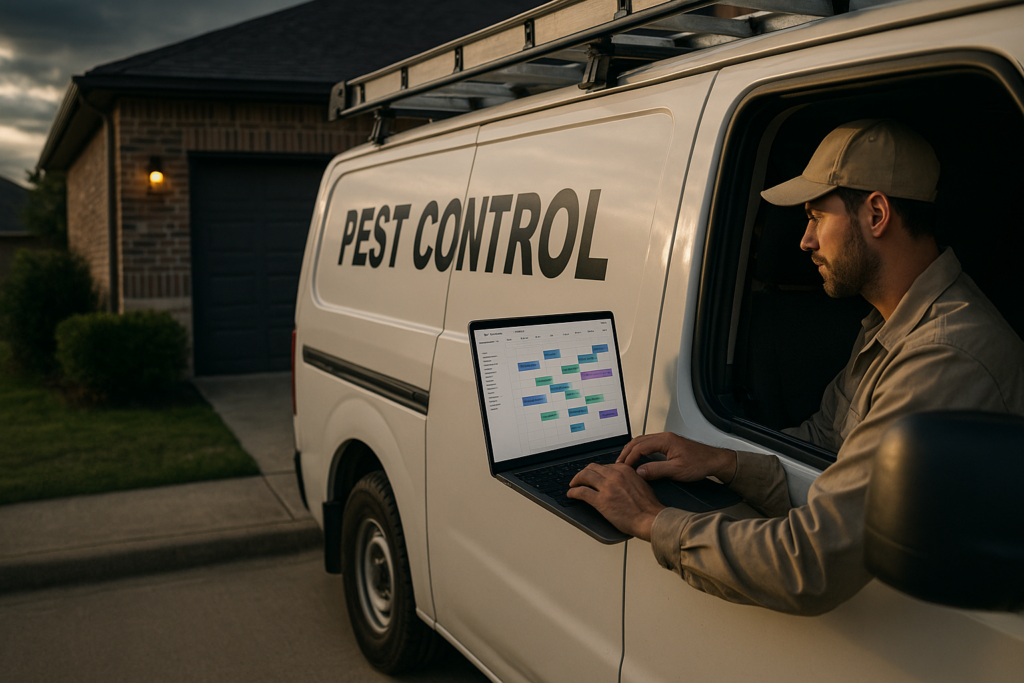
Effective scheduling strategies are crucial for pest control companies to ensure timely and efficient service delivery. By leveraging advanced pest control business software, companies can streamline their scheduling processes and optimize routes for technicians. This technology allows for dynamic scheduling, enabling staff to adjust appointments based on real-time availability and customer needs. Additionally, automated reminders can be sent to clients, minimizing missed appointments and enhancing customer satisfaction. The integration of GPS tracking within pest control business software further aids in understanding travel times and technician locations, allowing for better allocation of resources and timely responses to urgent requests. Efficient scheduling not only improves operational efficiency but also builds trust and reliability among clients who appreciate punctuality and consistency in service delivery.
New in this topic: How ConstruX Helps UK Tradesmen Save Time, Get Paid Faster, and Manage Jobs More Efficiently.
Customized Treatment Plans
To create customized treatment plans that cater to the specific needs of each client, pest control companies utilize a detailed assessment approach. Initially, technicians conduct thorough inspections of the property to identify the types of pests present, their nesting sites, and the severity of the infestation. This information is crucial in developing a treatment plan tailored to the unique challenges of each situation. After the inspection, pest control professionals often collaborate with clients to explain the findings and discuss various treatment options, ensuring that clients understand the approach and how it addresses their specific pest issues. Furthermore, pest control business software can play a vital role in documenting these findings, tracking treatment progress, and generating reports that help clients visualize the effectiveness of the services provided. This data-driven approach not only enhances the treatment plans but also fosters a sense of transparency and partnership between the company and its clients. Over time, as the pest control company builds a history of visits for each client, adjustments can be made to the treatment plans based on previous results and any changes in environmental factors or pest behavior, thereby enhancing the overall effectiveness of the pest management strategy.
Client Communication and Education
Effective client communication and education are fundamental aspects of the pest control industry, ensuring that customers are well-informed and engaged throughout the pest management process. Pest control companies prioritize transparency by explaining the nature of infestations, the treatment methods employed, and the expected outcomes. This educational effort helps clients understand not only the services they are receiving but also the reasons behind various treatment options, empowering them to make informed decisions. To facilitate effective communication, many companies take advantage of pest control business software, which allows for streamlined sharing of information. This software can generate easy-to-understand reports and treatment summaries that clients can refer to, helping to demystify the pest control process. Additionally, regular updates and follow-up communications are integral to keeping clients informed about ongoing treatment effectiveness and any necessary adjustments. Providing educational resources such as articles, videos, or FAQs on company websites can further enhance client understanding and engagement. By fostering a culture of education and open communication, pest control companies not only build trust with their clients but also encourage proactive involvement in pest prevention and management, resulting in more successful long-term outcomes.

Monitoring and Evaluation
Monitoring and evaluation are essential components of a successful pest control strategy, allowing companies to assess the effectiveness of their interventions and make necessary adjustments in real-time. After treatments are administered, pest control professionals conduct follow-up visits to monitor pest activity and review the outcomes of the implemented solutions. This ongoing assessment enables technicians to quickly identify whether the initial treatment was effective or if additional measures are needed. Utilizing pest control business software, companies can track pest sightings and treatment results over time, creating a comprehensive database that informs future strategies. Detailed records of each visit, including the types of pests observed and the responses to treatments, help technicians and management analyze trends and patterns that may emerge. This data-driven approach allows pest control companies to refine their methods continually and enhance their services based on empirical evidence. Furthermore, regular evaluation not only aids in improving service delivery but also helps in maintaining transparent communication with clients, as technicians can provide clear updates on the status of pest control efforts and any follow-up actions required. By systematically monitoring the effectiveness of treatments, pest control companies can ensure that they remain proactive in their approach, ultimately leading to higher customer satisfaction and longer-lasting pest management solutions.
Managing Customer Expectations
Managing customer expectations is a critical aspect of the pest control service experience. Clients often have varying levels of understanding regarding pest control processes, treatment timelines, and expected outcomes. Therefore, clear and proactive communication is essential to align expectations with reality. Pest control companies strive to establish transparent guidelines about what clients can expect during service visits, including the duration of treatments, the potential for pest activity to fluctuate post-treatment, and the necessity of follow-up services. By outlining these elements from the outset, technicians can mitigate misunderstandings and foster a sense of trust with clients. Furthermore, utilizing pest control business software to send clients service summaries and progress reports enhances this transparency, offering them a clearer picture of the treatments applied and their effectiveness over time. It is also vital for technicians to engage in active listening when working with clients. By addressing client concerns and questions during appointments, technicians can tailor the conversation to individual customer anxieties, providing reassurance and clarity. This personalized approach enhances client confidence and satisfaction, as they feel informed and valued throughout the pest management process.


