







How Solar Panel Installers Manage Complex Installations
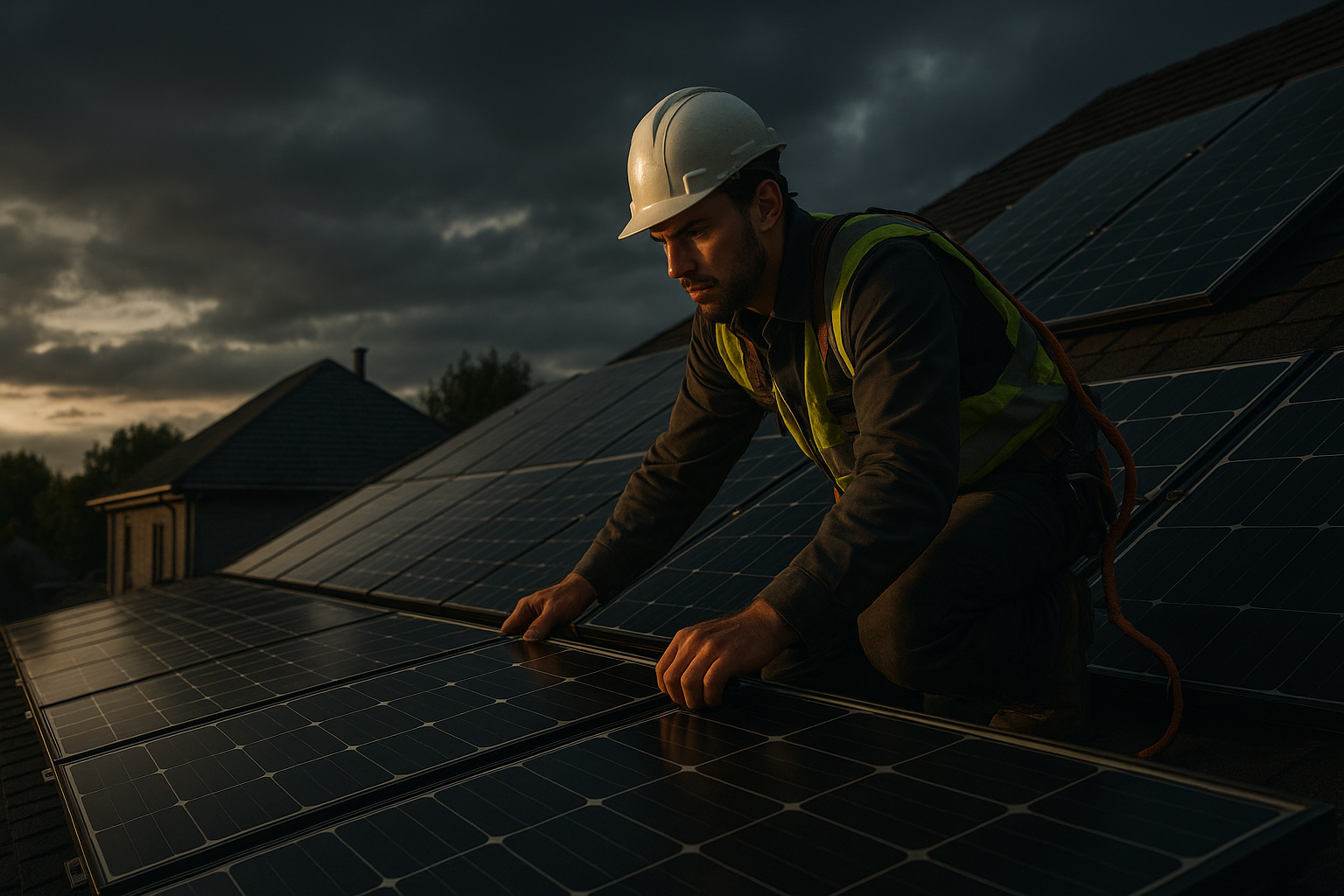
Solar panel installation presents a unique set of challenges that can complicate even the most straightforward projects. One of the primary difficulties lies in the variability of each installation site; factors such as roof type, angle, and available space can all influence the design and execution of a solar array. For complex installations, the intricacies multiply, requiring installers to adapt to site-specific conditions that may not align with standard procedures. Additionally, insufficient data on potential energy generation can lead to misguided expectations from clients.
New in this topic: The Joiner’s Guide to Workshop and Site Job Management.
Another challenge is navigating ever-changing regulations and permits. Each region may have different requirements, and installers must stay abreast of local laws to ensure compliance. This can be particularly daunting when working on large-scale projects that encompass multiple installations, as it usually requires extensive documentation and coordination with local governments. Solar installation business software can significantly aid in managing this aspect by automating processes, tracking deadlines, and ensuring all necessary permits are in place.
Weather variability can also pose a significant challenge. Installers must account for seasonal changes and unpredictable weather patterns that could lead to delays. Planning for these potential interruptions while maintaining a timeline is critical for keeping projects on track. Furthermore, there’s the aspect of financial management; complex installations may demand higher upfront costs, and securing financing can be a barrier for some clients. Installers must be proficient in presenting financial incentives and long-term savings to encourage investment.
Lastly, the complexity of the installation process itself often requires specialized knowledge. Installers must be skilled in various areas including electrical systems, structural engineering, and renewable energy technologies. This broad skill set ensures that they can effectively solve problems as they arise during the installation process, ultimately leading to successful project completion and satisfied customers.
Planning for Complex Installations
Effective planning is essential for the successful execution of complex solar panel installations. Prior to mobilizing any resources, installers must conduct thorough site assessments to gather data on site-specific variables such as shading, roof conditions, and electrical infrastructure. This initial analysis allows for the development of customized solutions that meet both client needs and technical requirements. By leveraging solar installation business software, project teams can manage data collection efficiently, generating accurate reports that inform design decisions.
In addition to understanding the physical attributes of the installation site, installers must identify and sequence all necessary tasks within a detailed project timeline. This timeline should factor in not just installation activities but also procurement of materials and securing permits. When multiple stakeholders are involved, as is often the case with larger projects, coordination becomes paramount. There’s a need for clear communication channels to relay timelines, responsibilities, and expectations. With the help of project management tools integrated into solar installation business software, teams can ensure that everyone is aligned and aware of updates and modifications.
Budget constraints also play a vital role in planning. Complex installations can escalate in cost due to unforeseen challenges or additional technical requirements. Installers need to create realistic budgets that account for these possibilities while also identifying potential savings. This involves careful negotiation with suppliers and subcontractors to secure the best prices for quality materials and services. Furthermore, providing clients with transparent estimates and explanations can foster trust and help them feel more comfortable with the investment they are making in solar technology.
Moreover, anticipating logistical challenges is a critical aspect of effective planning. For instance, identifying the best times for deliveries and scheduling labor resources ensures that project timelines are met without unnecessary delays. It’s important to establish backups for critical components, ensuring that any unexpected issues do not halt progress. Furthermore, installers should consider incorporating flexible scheduling to accommodate shifts in weather or other disruptions, maintaining the ability to adapt without compromising the overall project timeline.
Coordinating with Multiple Stakeholders
Coordinating with multiple stakeholders is a vital aspect of managing complex solar panel installations. Every project necessitates collaboration between various parties, including clients, suppliers, local authorities, and subcontractors, each contributing their expertise and requirements. This collaboration is not only essential for project success but also for meeting regulatory compliance and client expectations. Effective communication channels must be established to ensure that all parties are on the same page concerning timelines, responsibilities, and updates. Regular meetings and check-ins can facilitate this process, allowing for proactive management of any emerging issues.
One of the key challenges in stakeholder coordination is differing priorities and perspectives. Clients may focus on budget and aesthetics, while contractors prioritize timelines and technical specifications. To navigate these diverse interests, installers must employ strong negotiation and interpersonal skills. Utilizing solar installation business software can enhance coordination efforts by providing a centralized platform for all stakeholders to access project information, track progress, and share feedback. This transparency helps to mitigate misunderstandings and fosters a collaborative working environment.
In addition to managing relationships with stakeholders, installers need to engage with municipal and regulatory bodies to ensure compliance with all local laws and regulations. This often involves submitting documentation, obtaining necessary permits, and undergoing inspections, which can be time-consuming. Installers must be knowledgeable about local requirements and proactive in their approach to handling these interactions. Maintaining an organized database of communication with these entities can further streamline the process and prevent delays.
Logistical coordination also plays a critical role in successful stakeholder engagement. Effective management of material deliveries and labor scheduling must align with the availability of key participants, including subcontractors and inspection officials. A well-structured project timeline, enhanced by the capabilities of solar installation business software, can help installers anticipate potential conflicts and ensure that all stakeholders know when their input or presence will be required.
Ultimately, successful coordination requires installers to demonstrate leadership. They must facilitate discussions that accommodate the various interests of all stakeholders while keeping the project aligned with its goals. By fostering a cooperative atmosphere, utilizing technology, and prioritizing clear communication, solar panel installers can successfully navigate the complexities of stakeholder coordination in multifaceted installation projects.
Implementing Advanced Technologies
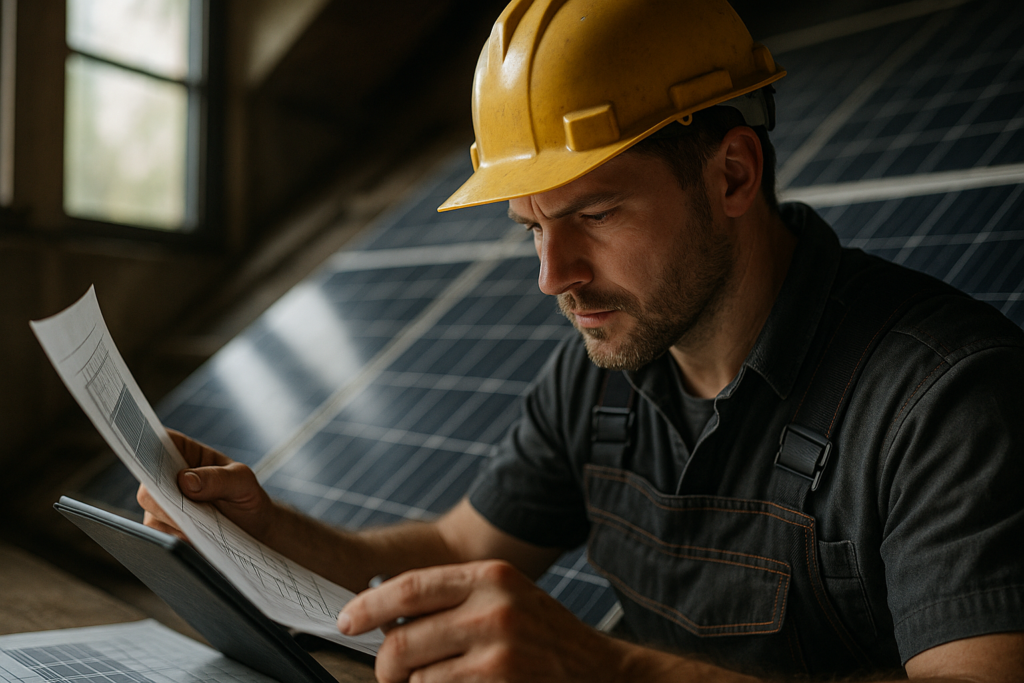
In today’s rapidly evolving solar energy market, implementing advanced technologies is essential for optimizing the installation process and enhancing overall project efficiency. Installers are increasingly relying on state-of-the-art tools and software to streamline operations, improve accuracy, and reduce costs associated with complex installations. One notable advancement is the integration of solar installation business software, which provides comprehensive solutions for project management, data analysis, and communication.
The use of simulation software allows installers to visualize and evaluate different design options before committing to a final layout. By modeling various scenarios, including the impact of shading and orientation, installers can determine the most efficient configuration for solar panels given specific site conditions. This level of foresight not only minimizes potential setbacks during installation but also assures clients of the expected energy output, enhancing their confidence in the project’s viability.
Moreover, drones are becoming invaluable in the assessment and monitoring of installation sites. With the ability to cover large areas in a short amount of time, drones provide high-resolution imagery and topographical data that can be analyzed to identify any potential challenges related to the installation. This technology allows installers to make informed decisions during the planning phase, ultimately leading to more effective designs that cater to the complexities of the site.
Another important aspect of leveraging advanced technologies is adopting automated systems for inventory and supply chain management. Solar installation business software can facilitate real-time tracking of materials, ensuring that installers have the necessary components on hand when needed. This significantly reduces the risk of delays caused by stock shortages or mismanagement. Additionally, predictive analytics can be employed to forecast material needs based on project scope and historical data from past installations, providing installers with a much clearer picture of project requirements.
The incorporation of tracking technology and smart devices during the installation process itself can also enhance efficiency. By utilizing smart sensors and IoT devices, installers are able to monitor energy production rates, system performance, and even potential issues as they occur in real-time. This proactive approach to maintenance allows for swift interventions, which can greatly reduce downtime and add to the longevity of the solar installation.
Furthermore, training modules embedded within solar installation business software can ensure that all team members remain up to date on the latest installation techniques and safety practices. These training components help cultivate a workforce that is not only skilled but also well-prepared to navigate the complexities associated with advanced technologies. Ongoing education contributes to a culture of innovation and adaptability, which is vital as the industry continues to evolve.
Ultimately, the strategic implementation of advanced technologies can significantly empower solar panel installers, enhancing their capability to manage complex installations. By staying at the forefront of technological advancements and integrating them into their workflows, installers can improve operational efficiency, ensure high-quality installations, and deliver exceptional value to their clients.
Ensuring Safety and Compliance During Installations
Ensuring safety and compliance during solar panel installations is paramount to protecting workers, clients, and the environment. Every installation site presents its own unique hazards, necessitating a thorough risk assessment before any work begins. Installers need to identify potential risks such as electrical shocks, fall hazards, or exposure to hazardous materials, and develop strategies to mitigate these risks. This could involve implementing safety protocols, providing proper training, and equipping team members with the necessary personal protective equipment (PPE) to create a safe working environment.
Adherence to local building codes and electrical regulations is critical in maintaining compliance throughout the installation process. Installers must be familiar with these guidelines, which can vary significantly from one area to another. Regular inspections and audits can help ensure that every aspect of the installation meets regulatory standards. This not only protects the installer from potential liabilities but also guarantees that the system will operate safely and efficiently once completed.
Furthermore, documentation plays a vital role in both compliance and safety. Utilizing solar installation business software can streamline the record-keeping process, making it easier for installers to manage permits, inspection records, and safety documentation. Well-maintained records not only demonstrate adherence to regulations but also provide a framework for accountability within the installation team.
Training and ongoing education are essential in fostering a culture of safety. Regular safety briefings should be held to inform workers of best practices, updates to safety regulations, and any site-specific hazards they may encounter. By empowering team members with knowledge, installers can significantly reduce the likelihood of accidents occurring on-site. Additionally, implementing a safety feedback loop allows workers to report unsafe conditions or incidents, which can be addressed promptly to enhance overall safety measures.
Effective communication is also crucial in ensuring safety during installations. All stakeholders, including clients, suppliers, and subcontractors, need to be informed about safety protocols and compliance requirements. Facilitating open lines of communication can help address any concerns before they escalate, promoting a collaborative approach to safety management. Moreover, having detailed site safety plans that are easily accessible to all team members can contribute to a culture of accountability and continuous improvement.
Lastly, emergency preparedness should never be overlooked. Installers must have a well-defined emergency response plan, detailing procedures for addressing incidents such as fires, electrical shocks, or structural failures. Conducting regular safety drills can help familiarize team members with emergency protocols, ensuring a swift and organized response in the event of a crisis. By prioritizing safety and compliance, solar panel installers can safeguard both their workforce and the integrity of their projects, ultimately paving the way for successful installations that adhere to all regulatory standards.


