







How UK Landscaping Firms Use Smart Tools to Scale
Smart tools are transforming the landscape of the UK landscaping industry, offering innovative solutions that enhance efficiency, improve service quality, and streamline operations for landscaping firms. One significant advancement is the emergence of landscaping contractor software UK, which facilitates scheduling, project management, and client communication within a single platform. These tools enable firms to maintain detailed records of client preferences, project specifications, and seasonal requirements, ensuring that every outing is tailored to meet individual client needs.
New in this topic: Why UK Contractors Rely on Automated Workflows.
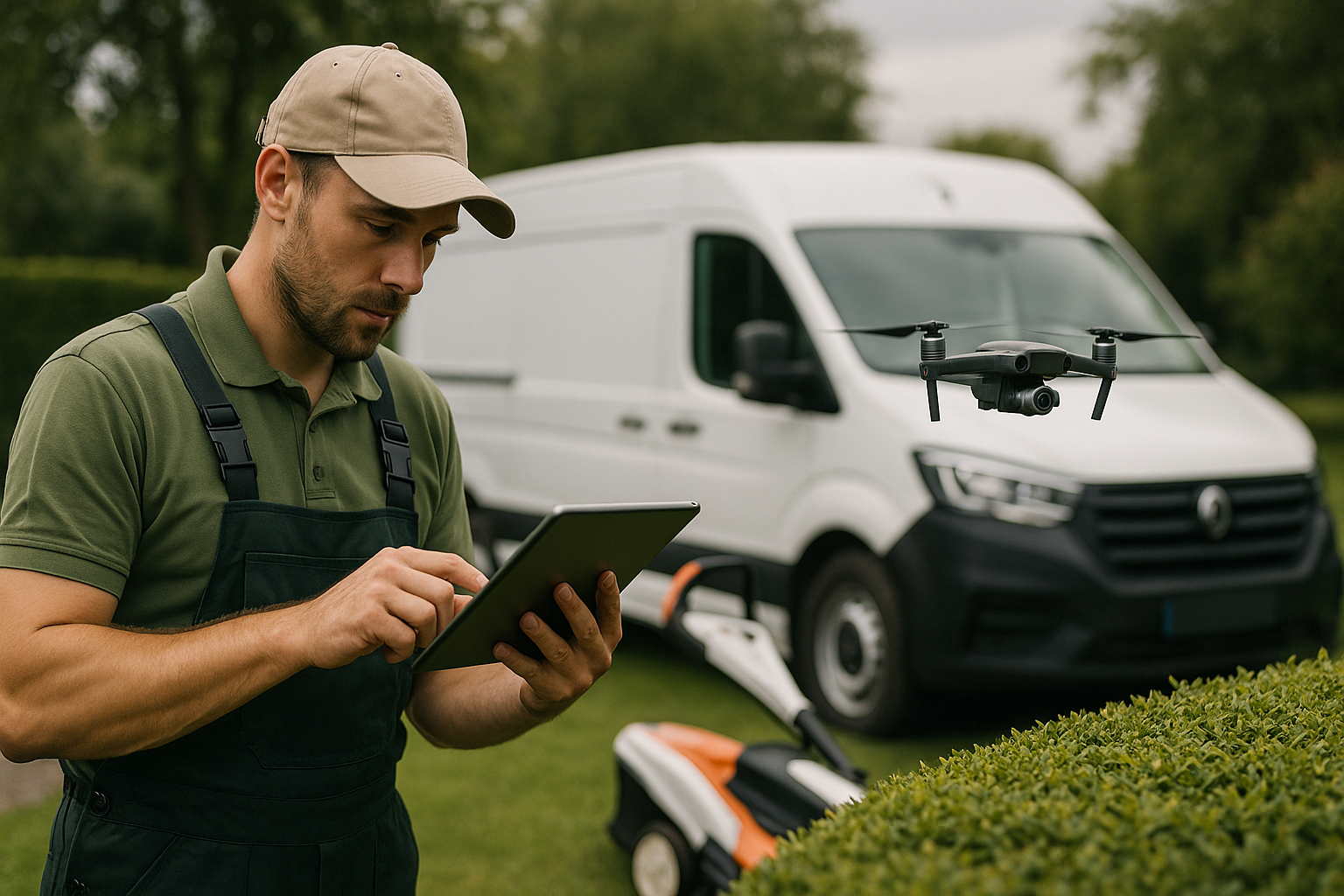
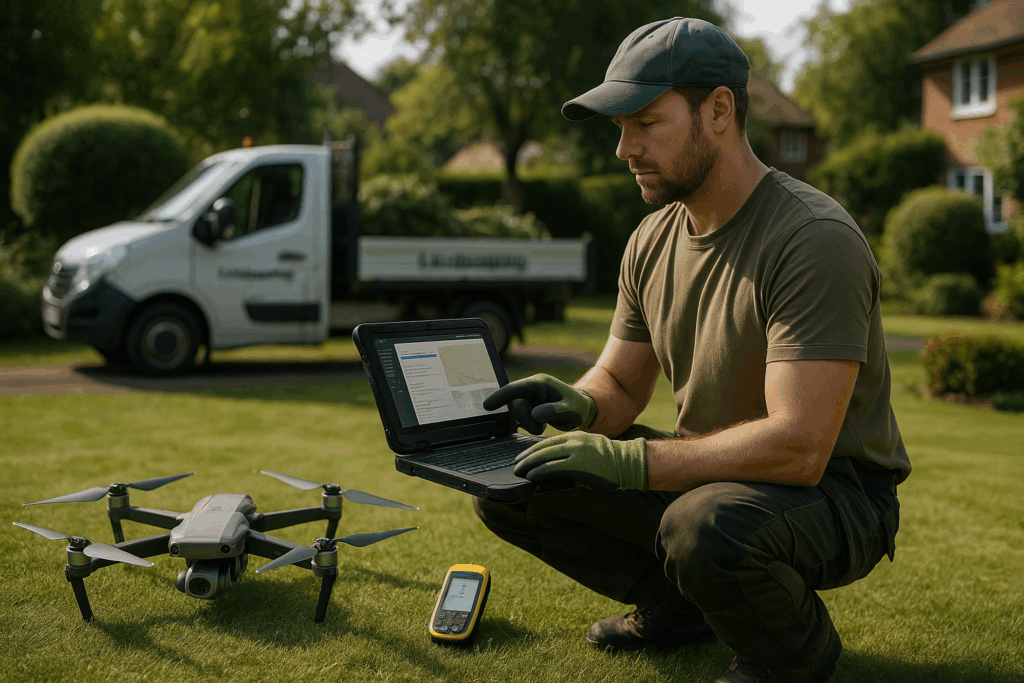
Additionally, the integration of GPS and drone technology is changing how landscaping firms plan and execute their projects. GPS systems can aid in precise landscaping layouts, helping contractors avoid costly mistakes and ensuring optimal land use. Drones provide aerial imagery that enables landscapers to assess large areas quickly, allowing for more informed decision-making in design and maintenance tasks.
Moreover, smart irrigation systems equipped with sensors monitor soil moisture levels and weather patterns, optimizing water use and promoting sustainable practices within the sector. This not only helps in conserving resources but also enhances the health and longevity of landscapes.
As these smart tools continue to gain traction, landscaping firms are discovering that the adoption of such technologies is no longer a competitive luxury but rather an essential aspect of modern business strategy. The ability to manage multiple projects efficiently while maintaining high quality increases overall productivity, setting firms apart in a highly competitive market.
Benefits of Technology Integration
The benefits of integrating technology into landscaping operations are numerous and impactful. For instance, landscaping contractor software UK streamlines the entire workflow, enabling firms to automate many processes that were once manual. This leads to a significant reduction in human error, allowing staff to focus on more creative and strategic tasks. With features such as real-time project tracking, invoicing, and client management, businesses can respond promptly to client inquiries and adjust to any changes in project scope without losing efficiency.
Furthermore, technology facilitates better resource management. Firms can easily track equipment usage and labor hours, ensuring that resources are utilized effectively. This not only reduces operational costs but also allows for more accurate budgeting and forecasting, contributing positively to a firm’s bottom line. The increased visibility across projects empowers firms to make data-driven decisions, ultimately leading to improved service delivery and customer satisfaction.
Another significant benefit is the enhanced collaboration that technology fosters. With the integration of tools that allow for real-time sharing of plans and updates, teams can stay aligned, regardless of their physical location. This is particularly beneficial for firms managing multiple projects simultaneously across different sites. Enhanced communication reduces misunderstandings and ensures that everyone is on the same page, leading to faster turnaround times and a smoother workflow.
Moreover, technology integration in landscaping promotes sustainability. By utilizing smart tools that monitor environmental conditions, firms are better equipped to implement eco-friendly practices. This can lead to reduced water consumption through the use of advanced irrigation systems, as well as lower carbon footprints as businesses optimize their logistics and operations. As clients increasingly prioritize sustainability, having these capabilities can differentiate a firm in a crowded market.
The positive outcomes associated with technology adoption also extend to employee satisfaction. Workers equipped with efficient tools can perform their tasks more effectively, reducing frustration and increasing productivity. A modern approach to landscaping that incorporates technology can thus enhance job satisfaction and attract a younger workforce that values innovation and efficiency in their professional environment.

Case Studies of Successful Firms
Several UK landscaping firms have successfully implemented smart tools, showcasing the transformative potential of technology in this sector. One exemplary case is GreenScape Solutions, a family-run business that has steadily grown by integrating landscaping contractor software UK into its operations. This software has allowed them to streamline scheduling, invoicing, and client management, resulting in a noticeable increase in jobs completed on time and within budget. By automating administrative tasks, GreenScape’s team can concentrate more on project design and execution, significantly improving their service quality.
Another illustrative case is Urban Eden, a company focused on urban landscaping projects that has adopted drone technology for site assessments. By incorporating drones into their project planning stages, Urban Eden can quickly gather aerial views of potential project sites, capturing high-resolution images that help landscape designers create tailored plans for each client. This use of technology not only accelerates the initial assessment but also provides clients with immersive visuals of the proposed designs, leading to higher client approval rates.
In the northern regions, EcoLandscapes has embraced smart irrigation systems to enhance their sustainable practices. By employing advanced sensors that monitor soil moisture and weather conditions, they have successfully reduced water consumption by 30%. This not only addresses clients’ desire for eco-friendly solutions but also positions EcoLandscapes as a leader in sustainable landscaping, attracting a clientele that prioritizes environmental responsibility. Their commitment to using technology to improve resource management has proven to be a compelling selling point, resulting in increased customer loyalty and referrals.
Moreover, Landscape Innovations, a medium-sized firm, highlights the advantages of cloud-based project management tools in collaboration and communication. With team members often deployed across multiple sites, this firm utilizes shared digital platforms that allow for real-time updates and feedback among staff and clients. By ensuring that everyone involved in a project has access to the same information simultaneously, they have minimized miscommunication and delays, leading to faster project completion rates and enhanced client satisfaction.
Each of these firms demonstrates how leveraging smart tools can lead to improved operational efficiency, heightened client engagement, and a stronger market position. As these case studies illustrate, embracing technology is not merely about adopting new tools but transforming traditional practices to meet modern demands. The stories of these successful firms serve as a testament to the significant impact that smart tools can have in reshaping the landscaping industry in the UK.
Challenges in Adopting Smart Tools
Despite the clear advantages that smart tools bring to the landscaping industry, many firms face challenges in their adoption. One significant barrier is the initial financial investment required for purchasing and implementing these technologies. Smaller firms, in particular, may struggle to allocate substantial budgets for new software and equipment, fearing that the upfront costs may outweigh perceived benefits. This can result in hesitance towards investing in landscaping contractor software UK or advanced equipment such as drones and smart irrigation systems, leaving them at a disadvantage compared to competitors who have embraced technology.
Moreover, the learning curve associated with new technologies can pose a considerable obstacle. Employees accustomed to traditional methods may resist transitioning to digital tools, leading to potential disruptions in workflow. Training staff to effectively use new systems is essential but often requires time and additional resources that firms may not have on hand. Without proper training and buy-in from team members, the full potential of smart tools may not be realized, resulting in frustration and underutilization.
Another issue is the integration of various platforms and tools. Landscaping firms often rely on multiple software solutions for project management, customer relations, and financial tracking. The lack of compatibility between systems can create inefficiencies, causing data silos and communication breakdowns. Landscaping firms need to ensure that their chosen solutions can work together seamlessly; otherwise, the problems posed by inadequate integration can negate many of the benefits expected from adopting new technology.
In addition to technical challenges, firms must also contend with the rapidly changing landscape of technology itself. Keeping pace with ongoing advancements—such as improved software features and new tools—can be daunting. For a firm that has just adopted a particular set of tools, the thought of needing to upgrade or change systems shortly thereafter can be discouraging, leading some to delay their tech adoption altogether.
The regulatory landscape can further complicate technology adoption, particularly regarding data protection and privacy laws. Landscaping firms must ensure compliance with regulations, such as the General Data Protection Regulation (GDPR), when using technology that collects and manages client information. This apprehension can slow down the willingness to embrace digital tools, especially for firms that may lack clarity on how to navigate these regulations effectively.
Addressing these challenges requires a strategic approach, including outlining clear benefits, providing comprehensive training for employees, and selecting compatible tools for integration. By proactively confronting these barriers, landscaping firms can better position themselves to harness the full advantages of smart tools, thereby enhancing their competitiveness and operational effectiveness in an increasingly technology-driven marketplace.
Future Trends in Landscaping Technology
The future of landscaping technology promises to be an exciting realm filled with advancements that will further redefine how firms operate. One prominent trend is the continued evolution of artificial intelligence (AI) and machine learning in landscaping contractor software UK. These technologies are poised to enhance decision-making processes by analyzing vast amounts of data. For instance, AI can predict plant growth patterns based on environmental conditions, helping landscape designers recommend optimal planting schemes. Machine learning algorithms can also improve customer relationship management by providing insights into client preferences and behavior, enabling firms to tailor their services better and engage customers more effectively.
Additionally, augmented reality (AR) and virtual reality (VR) technologies are likely to become mainstream in the design and planning stages of landscaping projects. These immersive tools allow clients to visualize projects before implementation, offering an interactive experience that can increase client satisfaction. With AR and VR, landscape architects can present virtual walkthroughs of proposed designs, allowing clients to make real-time adjustments based on their preferences and assuring them of the end result before any physical work begins.
Furthermore, the momentum towards sustainability in landscaping will gain additional traction with the development of smart environmental monitoring systems. These tools will go beyond traditional irrigation sensors to include comprehensive platforms that monitor various aspects of soil health, biodiversity, and climate change impacts. This data will enable firms to implement proactive measures to maintain landscape vitality while adhering to sustainable practices, aligning with the growing client demand for eco-friendly solutions.
Wireless technologies and the Internet of Things (IoT) are also likely to enhance landscaping operations significantly. By integrating IoT devices, firms can create connected environments where equipment, sensors, and software communicate seamlessly. This interconnectedness will enable real-time updates and management, allowing for immediate responses to changing conditions, such as adjusting irrigation schedules or scheduling maintenance based on actual usage patterns. This proactive approach can lead to significant cost savings and increased operational efficiency.
Finally, as cybersecurity becomes an increasingly crucial focus across industries, landscaping businesses will need to prioritize the security of their digital systems. With the growing reliance on data-driven tools, safeguarding client information and company data will be paramount. This trend will trigger investments in robust cybersecurity measures to protect sensitive information, foster client trust, and ensure compliance with privacy regulations.
As these trends materialize, landscaping firms that stay ahead of the technological curve will not only enhance their operational efficiency and sustainability but also secure a competitive advantage in a rapidly evolving market. Embracing these future technologies will be critical for adapting to changing consumer expectations and fostering long-term growth in the landscaping sector.


