








Joinery Workshops Record Job Times Accurately With Timers
Accurate job timing in joinery workshops is essential for optimizing productivity and ensuring that projects are completed within budget and on schedule. Understanding the duration of different tasks allows managers to allocate resources more efficiently, plan workflows, and set realistic deadlines. In the competitive landscape of the joinery industry, the utilization of a joinery job timer UK can make a significant difference in measuring the time taken for each job, from preparation through to completion. This precision in timing not only aids in identifying bottlenecks but also provides invaluable data for future project planning. By analyzing these time records, workshops can implement changes aimed at enhancing operational efficiency, reducing waste, and ultimately increasing profitability. Moreover, accurate job timing fosters accountability among team members, as individuals can clearly see the impact of their productivity on the overall success of the workshop. Thus, emphasizing the importance of time tracking in joinery workshops is vital for long-term success and sustainability in a highly demanding trade.
New in this topic: How UK Electricians Improve Estimates With Digital Tools.
Types of timers used in joinery workshops

Joinery workshops utilize various types of timers to ensure tasks are tracked with precision. One common option is the analog timer, which, despite its simplicity, offers a reliable way to measure job duration. These timers can be set manually, allowing workers to start and stop timing as needed. Digital timers have gained popularity due to their ease of use and advanced features. These devices often come with large displays, allowing workers to read the time from a distance. Many digital timers also include functions like lap timing, countdown abilities, and multiple timers that can run simultaneously, which can be particularly useful for workshops juggling several projects at once.
Another modern approach involves the use of software-based timers, integrated within project management applications designed for the joinery sector. These solutions often track time automatically when work begins, minimizing the risk of human error. The advantage of using software timers is that they can generate detailed reports, track historical data, and analyze trends over time. Workshop managers can benefit significantly from these insights, as they allow for more strategic decisions regarding workflow improvements and resource allocation. Additionally, mobile apps have emerged as flexible options that enable workers to log time on the go, providing even greater convenience and adaptability in busy workshop environments.
Some workshops opt for specialized joinery job timers UK designed specifically for the trade. These timers may be tailored to meet the unique needs of joinery tasks and may offer features such as preset timings for common jobs or integration with other equipment. The choice of timer can greatly influence the overall efficiency of time tracking in a joinery workshop, making it essential for managers to select options that best fit their operational needs and workflows.

Benefits of using timers for job tracking
Using timers for job tracking in joinery workshops presents a multitude of benefits that can enhance overall operations and productivity. First and foremost, implementing a joinery job timer UK allows for precise measurement of task durations, enabling workshops to standardize processes across various jobs. This consistency is invaluable in identifying the expected time frames for completing specific tasks, which not only helps in tight scheduling but also fosters a deeper understanding of workload management among staff.
One of the significant advantages of using timers is the immediate feedback they provide. Workers receive real-time insights into how long they spend on specific tasks, which encourages a culture of accountability. This transparency can motivate team members to be more efficient, as they become aware of their performance relative to set expectations. As a result, managers can easily identify high performers and those who may need additional support, leading to targeted training or mentorship opportunities.
Timers also facilitate better communication within the team. By having concrete time records, workshops can clearly discuss productivity levels and areas for improvement during team meetings. These discussions can then translate into actionable strategies for efficiency gains, enabling teams to work collaboratively to overcome challenges and optimize workflows.
Furthermore, accurate job timing data can support billing practices and customer transparency. When workshops track time accurately, they can provide clients with precise quotes and timelines for project completion. This builds trust and credibility with clients, as they can see that the workshop operates on an informed and efficient basis. Additionally, having solid records of job times can help justify budget allocations and resource planning for future projects, ensuring that workshops remain competitive in the market.
Ultimately, the integration of timers into daily operations not only enhances individual productivity but also strengthens the overall effectiveness of joinery workshops. By utilizing timers effectively, these workshops can optimize their operations, improve employee engagement, and ensure customer satisfaction through timely project delivery.

Implementing timers effectively in daily operations
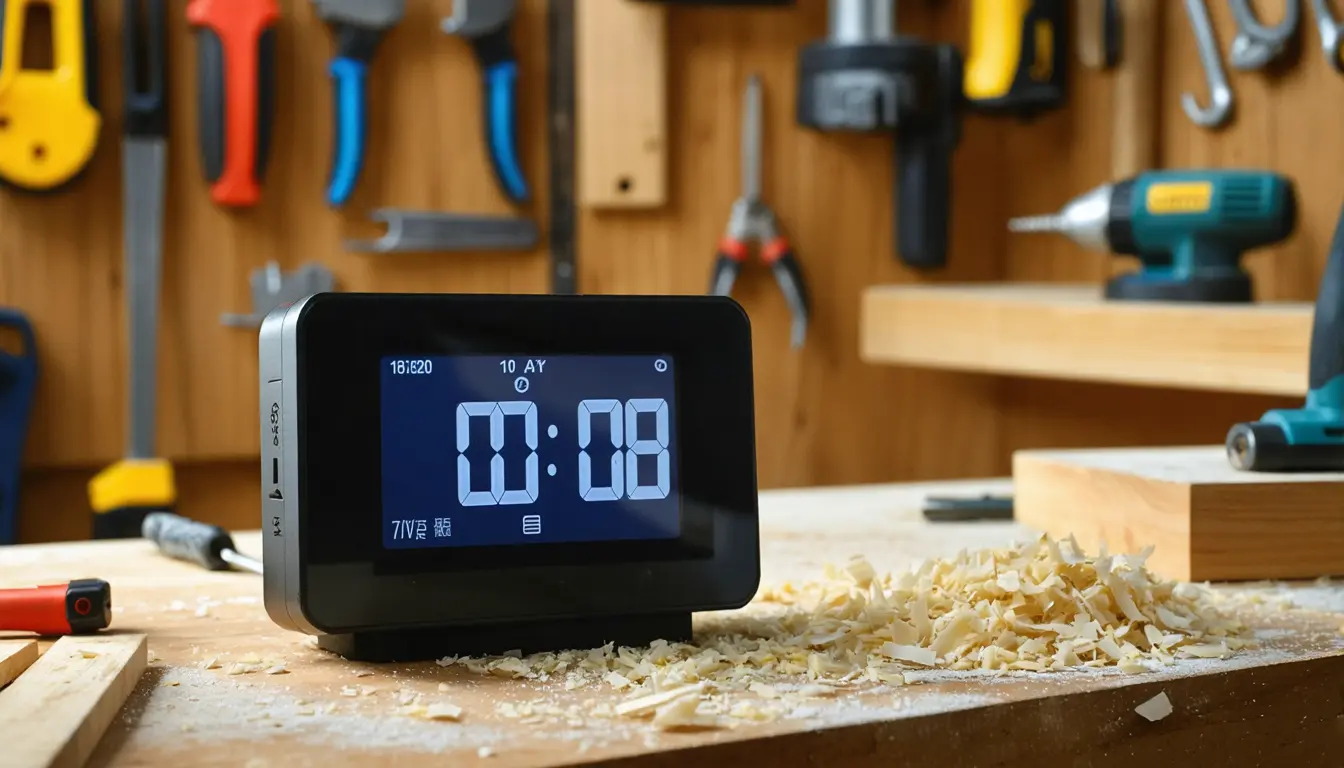
Implementing timers effectively in daily operations requires careful consideration and planning to maximize their impact on productivity. To start, workshop managers should conduct a comprehensive review of existing workflows to identify key tasks that would benefit from accurate job timing. By pinpointing these areas, they can determine the most suitable type of timer, whether it’s an analog, digital, or software-based solution, to address their specific needs. Training employees on how to use the selected timers is crucial; workshops should organize sessions that not only demonstrate usage but also emphasize the importance of accurate time tracking in enhancing efficiency and accountability.
Establishing a consistent protocol for recording time with a joinery job timer UK is vital. This includes setting clear expectations for when to start and stop timers, as well as how to log any breaks or interruptions. Encouraging a culture of punctuality and meticulousness fosters a disciplined approach among team members. Additionally, supervisors should periodically monitor the usage of timers to ensure compliance and address any issues that may arise. Regular check-ins can reinforce the value of time tracking and provide opportunities for employees to offer feedback on the tools and methods being used.
To further enhance the effectiveness of timers, integrating them with project management software can yield significant insights. This approach allows for real-time data collection and analysis, making it easier to track job progress and identify trends over time. Workshop managers can utilize this data to adjust schedules, allocate resources more effectively, and implement changes that promote continuous improvement. Additionally, using a centralized platform facilitates seamless communication between team members, ensuring everyone is aligned with the project timelines and expectations.
Moreover, it is essential to foster an environment where employees feel comfortable discussing their time tracking experiences. Creating open lines of communication encourages team members to share their challenges and successes related to using timers. Workshops can benefit from these discussions by identifying common obstacles and collaboratively developing strategies to overcome them. By involving employees in the process, workshops can enhance engagement, leading to more productive outcomes.
Celebrating achievements related to effective timer usage can motivate the team to maintain high performance. Recognizing individuals or teams who consistently meet or exceed their time tracking goals can instill a sense of pride and encourage others to follow suit. This positive reinforcement highlights the importance of accurate job timing and its connection to the overall success of the workshop, ultimately driving a more efficient and productive work environment.
Case studies: Success stories from joinery workshops
Case studies have demonstrated the transformative impact of implementing timers in joinery workshops across various settings. One notable example is a mid-sized joinery shop that struggled with project delays and cost overruns. After integrating a joinery job timer UK into their daily operations, they began to monitor the time spent on each task closely. This led to significant revelations about workflow inefficiencies. The analysis showed that certain processes were consistently consuming more time than anticipated, largely due to underestimating the complexity of specific jobs. Armed with this data, the management team revamped their project planning processes, allocating more realistic timeframes for tasks and redistributing workloads among staff. The result was a 25% reduction in project completion times and a noticeable increase in employee satisfaction due to more manageable workloads.
Another compelling case involves a small bespoke furniture maker that focused on high-quality, custom pieces. They adopted a digital timer solution that integrated with their project management software. This allowed them not only to track job times but also to generate analysis reports which highlighted trends over time, such as peak productivity hours. By gleaning insights from the data, the team identified that certain skilled craftsmen performed better during specific times of the day. Leveraging this information, they adjusted work schedules accordingly, aligning complex projects with the peak performance periods of their artisans. This strategic realignment led to a 30% increase in production capacity without compromising quality, significantly enhancing profitability.
In another case, a joinery workshop faced challenges with time management that affected customer satisfaction. To address these issues, they implemented mobile timers to allow workers to log their task durations directly from the workshop floor. This approach made it easier for employees to track their own time in real-time, fostering an environment of accountability. As a result, the workshop was able to provide more accurate quotes and timelines to customers, leading to a 40% reduction in customer complaints related to project delays. This case exemplifies how the effective application of timers can not only streamline internal processes but also boost customer confidence and trust in the workshop’s capabilities.
These success stories illustrate the pivotal role that accurate job timing plays in refining operations within joinery workshops. By harnessing the power of timers, businesses can uncover hidden inefficiencies, improve their planning and productivity, and ultimately enhance their competitiveness in the market. As more workshops recognize the value of meticulous time tracking, the trend is likely to expand, paving the way for even greater innovations in the joinery industry.


