






Joinery Workshops Use Scheduling Boards to Plan Workloads
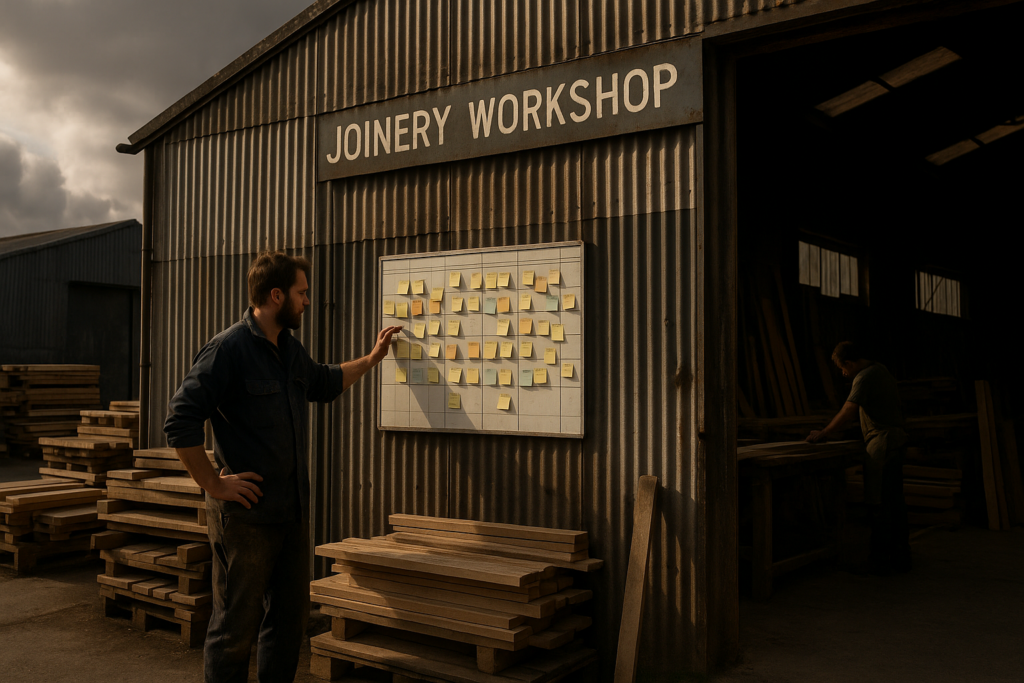
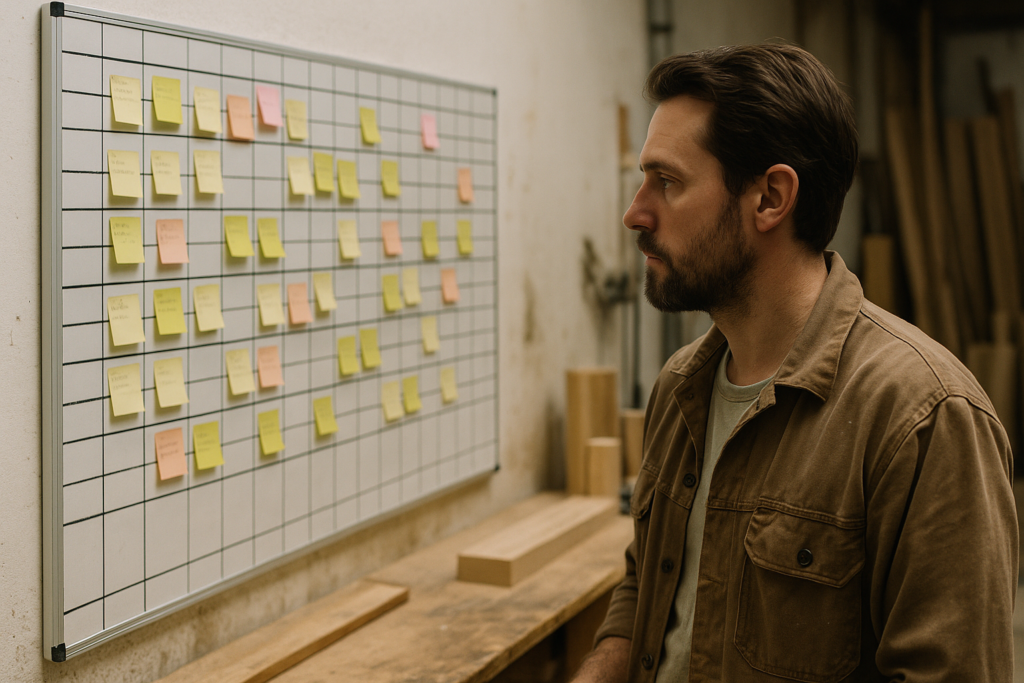
Scheduling boards play a crucial role in the effective management of workflows in joinery workshops. They serve as visual tools that help teams organize and prioritize tasks, ensuring that everyone involved in a project is on the same page. By utilizing joinery scheduling board software UK, workshops can streamline their operations and enhance communication among team members. These boards can take various forms, from physical whiteboards filled with sticky notes to sophisticated digital platforms that allow for real-time updates and collaborative planning. The primary objective of a scheduling board is to provide clarity on project timelines, resource allocation, and task responsibilities. Workshop managers can easily track the progress of multiple projects, quickly identify bottlenecks, and adjust workloads accordingly. This level of organization can significantly reduce downtime and improve overall productivity in the workshop environment.
New in this topic: How UK Contractors Win More Jobs With Better Quotes.
Benefits of Using Scheduling Boards

The adoption of scheduling boards in joinery workshops provides numerous benefits that contribute to more efficient operations. Firstly, these boards enhance visibility across all stages of production, allowing team members to easily see what tasks are in progress, what is pending, and what has been completed. This transparency fosters accountability, as everyone in the team can understand their roles in the workflow. Secondly, scheduling boards facilitate better communication among team members. When using joinery scheduling board software UK, updates can be made in real-time, ensuring that all staff are informed of any changes to project timelines or task assignments. This immediacy helps to avoid misunderstandings and reduces the likelihood of errors occurring due to miscommunication.
Additionally, scheduling boards help workshops manage their resources more effectively. By clearly displaying all ongoing projects and their respective timelines, managers can allocate tools, materials, and labor where they are needed most, minimizing idle time and ensuring that projects stay on track. This optimized resource management not only accelerates project completion but also maximizes the overall profitability of the workshop. Furthermore, these boards can also serve as motivational tools, as team members can visually track their progress and celebrate milestones together. By providing a clear, organized view of the workload, scheduling boards help create a collaborative atmosphere that encourages teamwork and productivity.
How to Set Up a Scheduling Board
Setting up a scheduling board in a joinery workshop involves several key steps that ensure its effectiveness in managing workloads. First, it is essential to choose the right type of board that meets the specific needs of the workshop. This could be a physical whiteboard or a digital platform, such as joinery scheduling board software UK, which allows for more flexibility and real-time updates. Once the type of board is selected, the next step is to define the layout. A common approach is to divide the board into sections that represent different stages of the workflow, such as “To Do,” “In Progress,” and “Completed.” This visual representation helps team members easily navigate the board and understand where each task stands in the production process.
After establishing the layout, it is crucial to input all relevant project details. This includes the tasks that need to be completed, the responsible team members for each task, and estimated deadlines. For digital boards, this information can often be entered in a way that allows for easy modifications and updates. In addition to task details, it is advisable to include any resources required for each task, such as tools or materials, to facilitate effective resource allocation. Regular updates should be scheduled, allowing team members to mark tasks as completed and add notes about any obstacles encountered during the process. This practice keeps the board current and reflects the true status of projects at a glance.
Furthermore, it’s beneficial to conduct team meetings to discuss the scheduling board regularly. In these meetings, teams can review progress, reprioritize tasks based on workload, and address any issues that may affect production. Engaging the entire team in this process not only fosters a sense of ownership but also enables everyone to contribute ideas for improving workflow. Finally, training staff on how to effectively use the scheduling board, whether digital or physical, is vital. Ensuring that all team members are comfortable with the system will lead to improved communication and a more organized working environment.
Best Practices for Effective Workload Management
Implementing best practices for effective workload management is critical to maximizing the benefits of scheduling boards in joinery workshops. One of the foremost practices is ensuring clear and consistent communication among team members. Regular updates and open lines of dialogue help prevent misunderstandings that can arise from unclear task assignments or changes in project timelines. Utilizing joinery scheduling board software UK can enhance this communication, as it allows for real-time updates that inform everyone of their responsibilities and the status of projects. This clarity helps keep the entire team aligned and focused on their objectives.
Another essential practice is prioritizing tasks effectively. Workshops should regularly review their project lists and determine which tasks are most critical based on deadlines, resource availability, and overall project goals. By placing high-priority tasks at the forefront of the scheduling board, teams can ensure that essential work is completed on time without getting bogged down by less critical activities. This approach to task prioritization can significantly enhance the efficiency of workload management.
Moreover, incorporating buffer times into the workflow is a key strategy that can help manage unforeseen circumstances. Delays and unexpected challenges are commonplace in joinery projects; therefore, building in buffer times between tasks allows for flexibility and reduces the pressure on teams. Adjusting the scheduling board to reflect these buffer periods can provide a more realistic view of timelines, helping everyone understand that some delays may not impact the overall schedule severely.
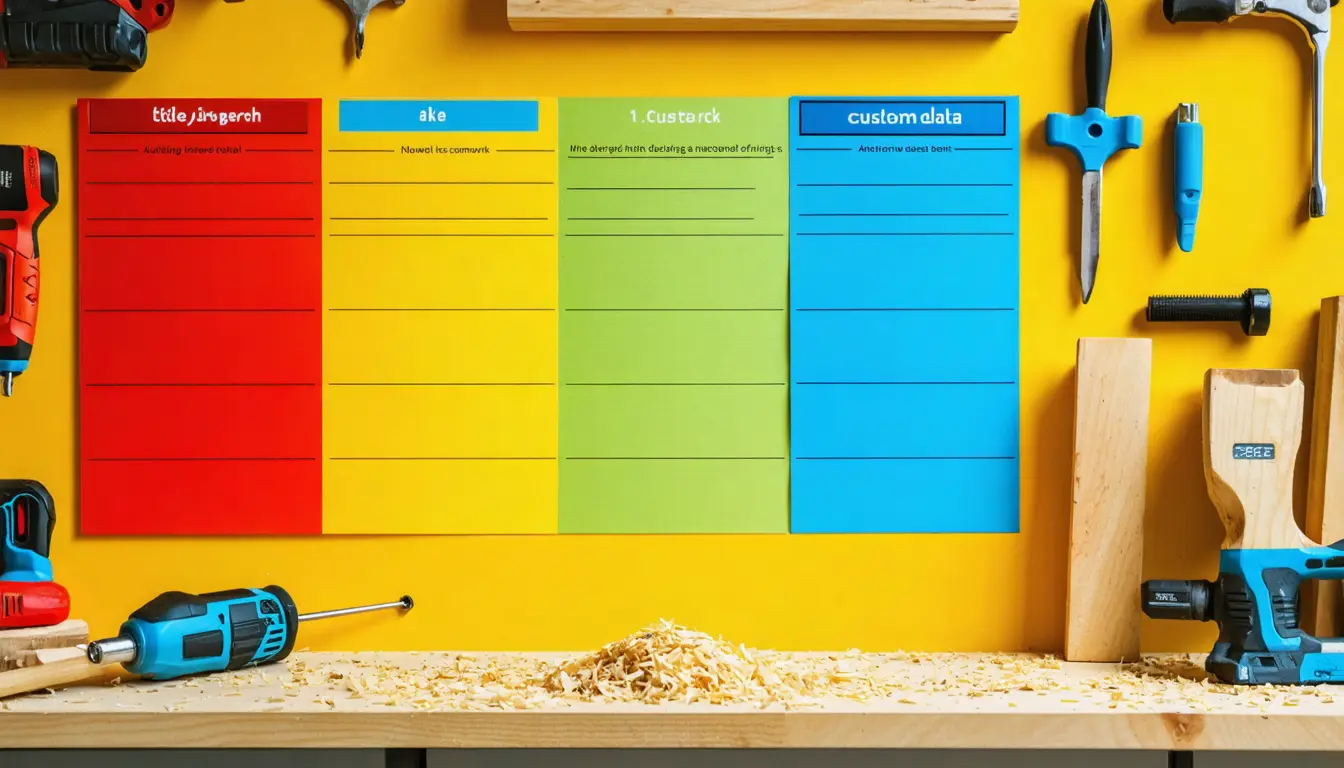
Additionally, visual aids like color coding or progress indicators can greatly enhance the efficacy of scheduling boards. For instance, using different colors for various projects or task statuses allows team members to quickly assess the overall workflow at a glance. This simple but effective technique can reduce the cognitive load required to interpret the information presented on the board, leading to quicker decision-making and action. Whether utilizing a traditional board or joinery scheduling board software UK, these visual tools help create an intuitive understanding of project status and workload distribution.
Fostering a culture of continuous improvement can significantly benefit workload management practices. Encouraging team members to share feedback on the scheduling process and suggesting enhancements can lead to innovative ways to streamline workflows. Regularly soliciting input allows the workshop to adapt and evolve, tailoring practices to better fit the team’s needs and the challenges faced. This ongoing refinement process ensures that scheduling boards remain an effective and essential component of productive joinery operations.
Case Studies: Success Stories from Joinery Workshops
To illustrate the effectiveness of scheduling boards in joinery workshops, several case studies demonstrate how they have transformed operations and improved productivity. In one prominent case, a medium-sized joinery workshop in the UK was experiencing difficulties in meeting project deadlines due to disorganized task management. After implementing joinery scheduling board software UK, the workshop noticed a remarkable change. The software provided a centralized platform where tasks could be easily assigned, tracked, and modified in real-time. Within the first month, the workshop reduced its project turnaround time by 20%, as team members could quickly see what needed immediate attention and where possible delays might occur.
Another workshop focused on custom furniture also adopted scheduling boards to enhance their workflow. The manager introduced a hybrid system combining physical boards for daily updates and a digital platform for long-term planning. This dual approach allowed craftsmen to visualize daily tasks while contributing to overall project timelines digitally. They reported a notable increase in team collaboration; with everyone familiar with their responsibilities and progress, the project workflow became smoother. Not only did this lead to faster completion times, but it also improved employee morale, as team members felt a greater sense of ownership over their work.
A specialized joinery company that manufactures bespoke cabinetry applied scheduling boards to manage a particularly complex project for a high-profile client. The team utilized joinery scheduling board software UK to create detailed timelines and allocate resources effectively. By continuously updating the board with real-time information about progress and obstacles, the managers were able to anticipate potential delays and reallocate labor where necessary. The result was a project delivered not only on time but also with enhanced quality; client satisfaction significantly improved, leading to more referrals and increased business.
Furthermore, a smaller workshop utilized a simple scheduling board approach, emphasizing team engagement. By incorporating feedback sessions where all team members discussed the scheduling board outcomes, they created a culture of accountability and collective problem-solving. Over time, they identified repetitive bottlenecks in their workflow and adjusted their processes accordingly. This iterative review process fueled continuous improvement and resulted in a measurable increase in productivity, with a reported 30% decrease in time lost to miscommunication or unforeseen delays.
These success stories highlight how different joinery workshops have effectively utilized scheduling boards to overcome operational challenges and enhance their productivity. Whether through simple visual management techniques or sophisticated software solutions, the integration of effective scheduling practices plays a pivotal role in streamlining workflows and fostering a positive team environment in joinery settings.


