







Painters Document Colour Samples With Photo Tools
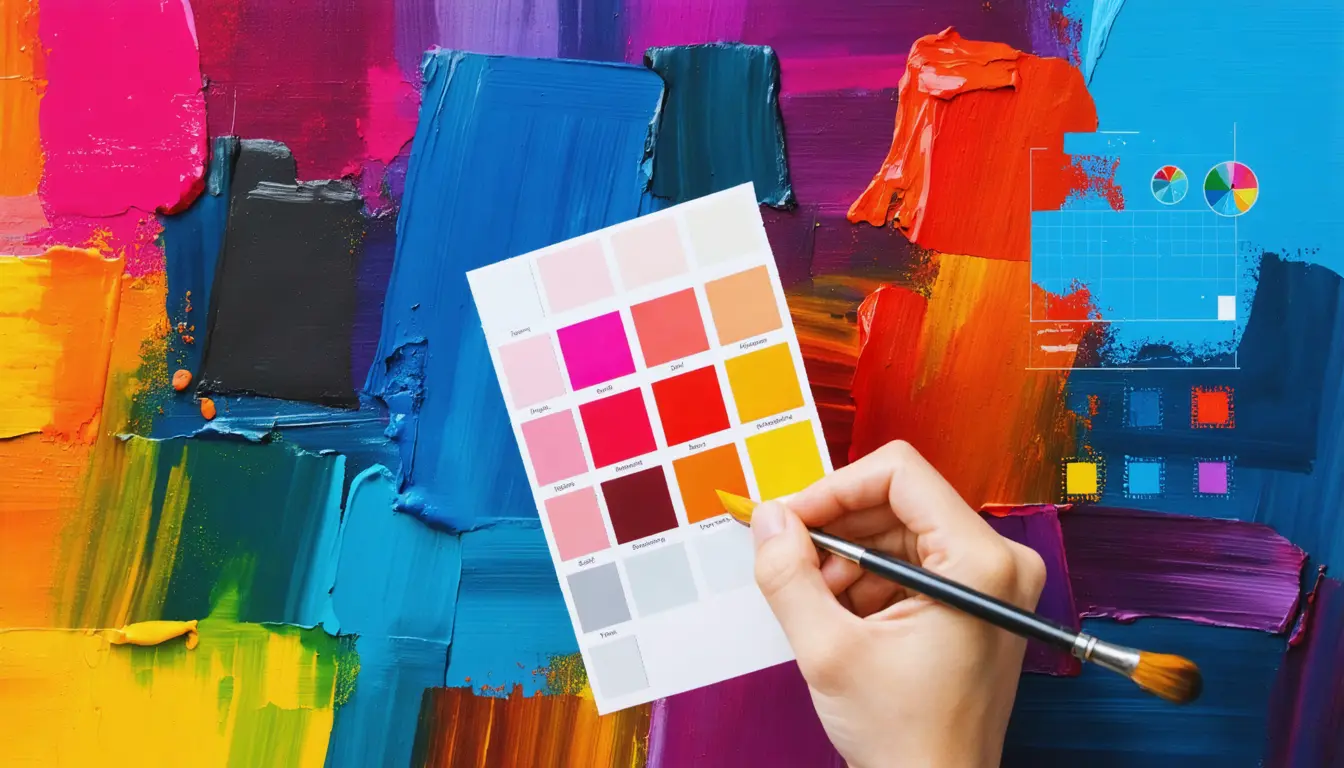
Documenting colour samples is a crucial process for painters, ensuring that their intended hues are accurately recorded and preserved for future reference. This practice involves carefully capturing the essence of each colour used in a project, allowing artists to replicate their work or share their palettes with others. With advancements in technology, many painters are turning to dedicated apps designed specifically for managing colour samples. One notable option is a painter colour sample app UK, which allows users to photograph their samples and categorize them according to various parameters like hue, saturation, and brightness. By using such apps, artists can create a digital archive of their colour choices, making it easier to track trends over time or to reference specific shades in future projects. The digital documentation process not only aids in colour consistency but also enhances collaboration among artists, as samples can be shared with clients or fellow painters quickly and efficiently.
New in this topic: Small Trades Teams Save Time Using Barcode Systems.
Choosing the Right Photo Tools
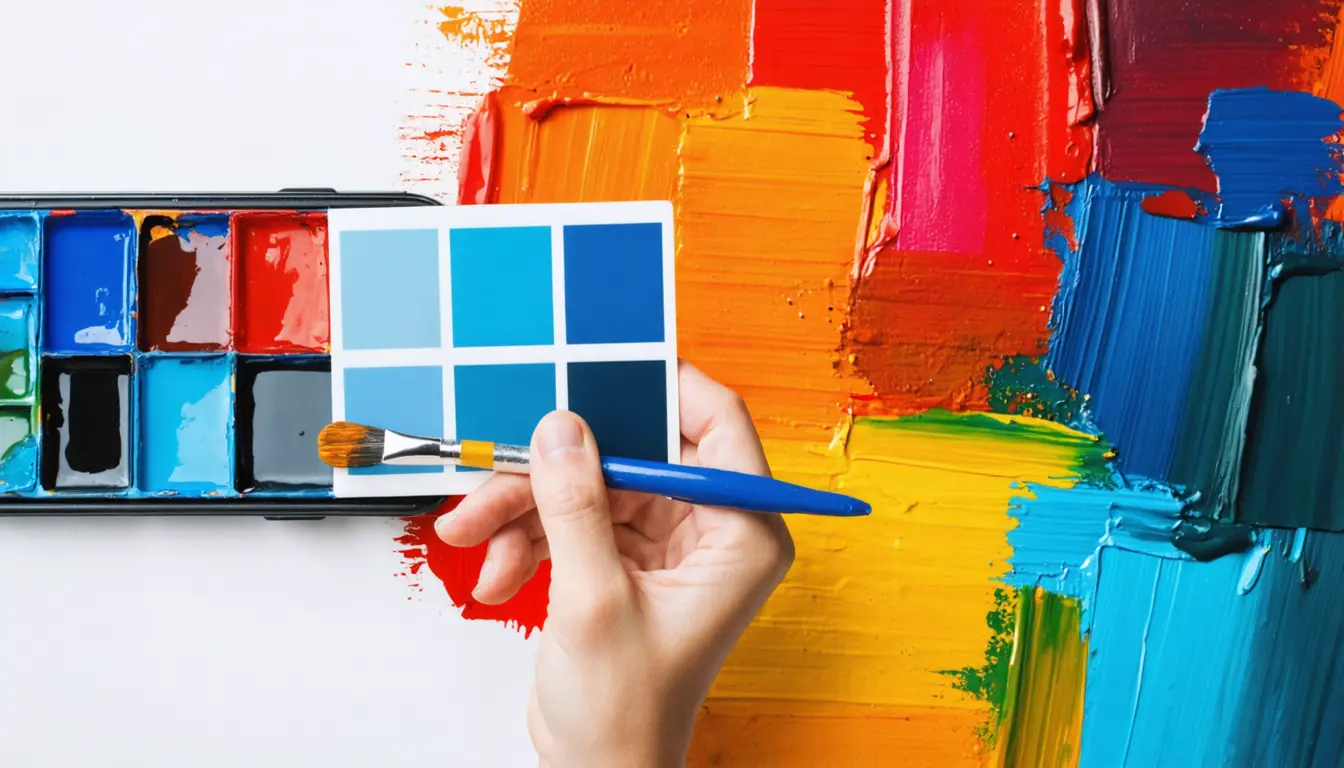
When selecting photo tools for documenting colour samples, it is vital to ensure that the equipment meets the specific needs of painters. High-quality cameras, whether standalone DSLRs or advanced smartphone models, can make a significant difference in achieving accurate colour representation. These devices should possess good low-light capabilities and adjustable settings for exposure and white balance to account for different lighting conditions. A painter colour sample app UK can further enhance the documentation process by providing built-in tools for colour analysis, ensuring that photos taken are processed correctly to reflect true shades. Additionally, lenses with macro capabilities are beneficial for capturing intricate details of colour textures directly from samples.
Lighting is another critical factor in the photo documentation process. Natural light is often preferred, as it offers a balanced spectrum that can prevent colour distortion that artificial light sources may introduce. When working indoors, soft diffusion material can be used to minimize harsh shadows and glares, making the colour samples stand out more effectively. Furthermore, utilizing a consistent backdrop that does not influence colour perception is essential; neutral grey or white surfaces are typically recommended.
Tripods can also enhance stability, eliminating blurry images caused by hand movement, while remote shutter releases can avoid additional camera shake. For painters who may frequently switch between multiple colour samples, investing in a dedicated colour calibration tool can ensure the accuracy of their documentation process by adjusting both the camera and the display settings, ensuring that the captured colours remain true across different devices.
Many of the modern apps designed for painters not only allow for capturing images but also offer organizational features that enable users to tag, sort, and share colour samples seamlessly. By carefully evaluating and selecting the right photo tools, painters can create a robust system for documenting their colour samples, making future projects more efficient and visually consistent.
Techniques for Accurate Colour Capture
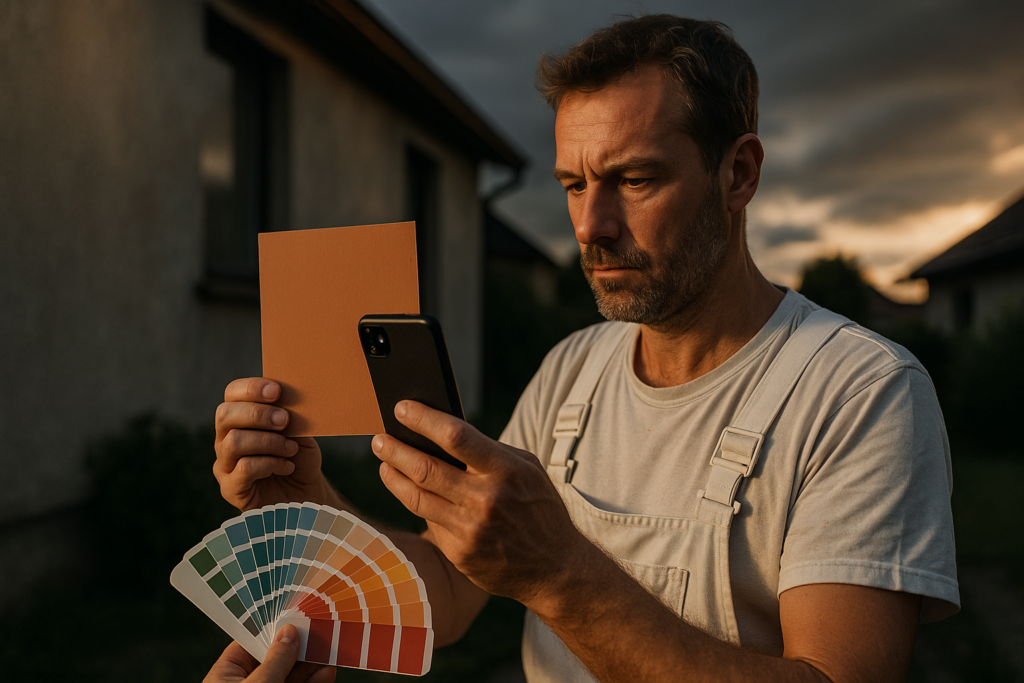
Achieving accurate colour capture is essential for painters, as the slightest deviation can alter the aesthetic of a finished piece. One effective technique for ensuring precise colour representation is the consistent use of a specific photographing method. For instance, taking photos directly from a straight-on perspective minimizes distortion and perspective changes that can impact colour perception. Additionally, maintaining a consistent distance from the colour sample while using the same focal length helps in keeping the colours true to their original form. It’s advisable to take multiple shots from various angles to guarantee that the best representation is chosen for documentation.
Another technique involves the correct adjustment of camera settings. White balance should always be calibrated according to the lighting environment; using the custom white balance option on a camera or app can vastly improve accuracy over automatic settings. Similarly, ISO settings should be kept low to avoid graininess, which can obscure subtle colour variations. For those utilizing a painter colour sample app UK, leveraging the app’s features for colour calibration prior to capturing an image is crucial, as it can enhance precision by adjusting for discrepancies between the real-world sample and its digital photo representation.
In addition to camera settings, using rulers or colour reference cards in the frame can aid in color validation and comparison. By incorporating these elements into the shot, painters can create a standard against which the captured colours can be measured. Furthermore, shooting in RAW format is highly recommended as it captures more detail and allows greater flexibility during post-processing, giving artists the ability to make adjustments without compromising quality.
Post-capture, reviewing the images on a calibrated monitor ensures that the colours are assessed in an environment where they can be accurately viewed. This step is vital, as discrepancies between devices can lead to further variations in how colours are perceived. By meticulously applying these techniques, painters can significantly enhance the accuracy of their colour captures, creating a reliable resource for current and future projects.
Analysis of Colour Data
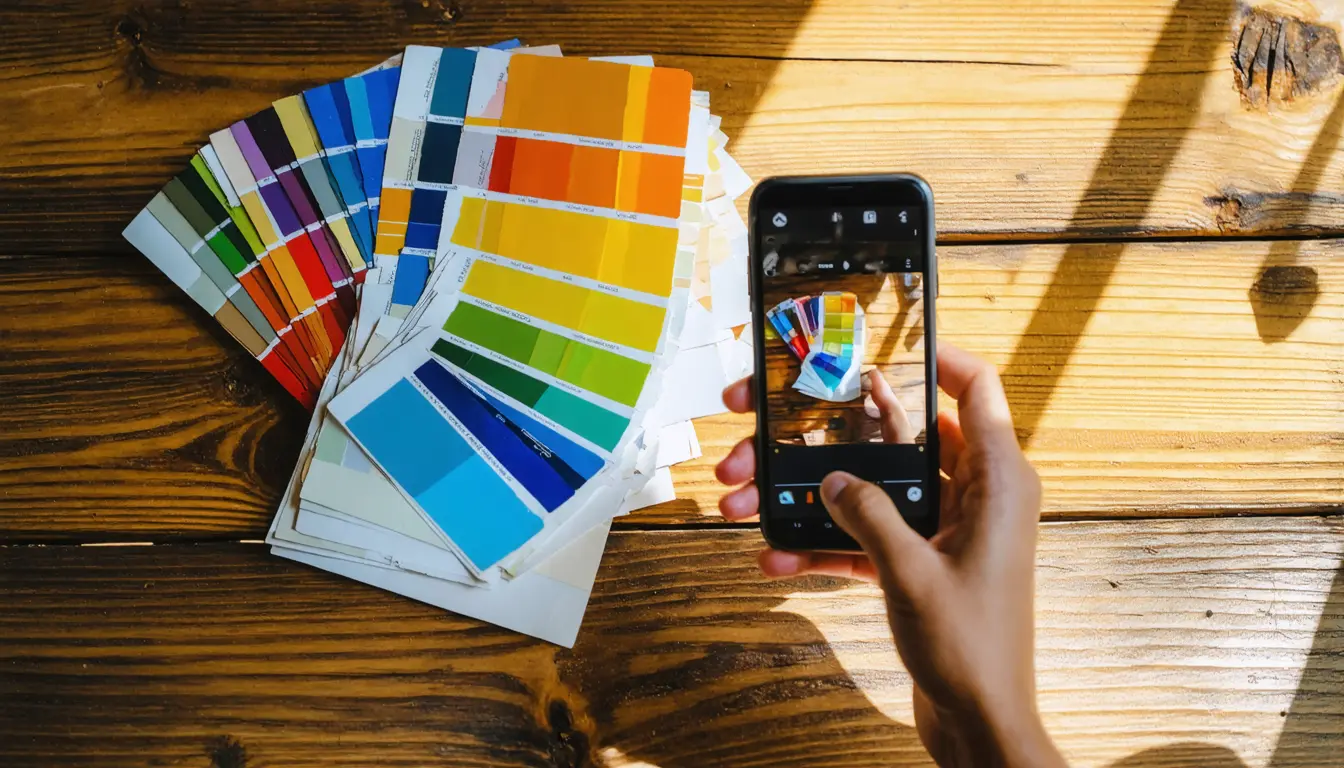
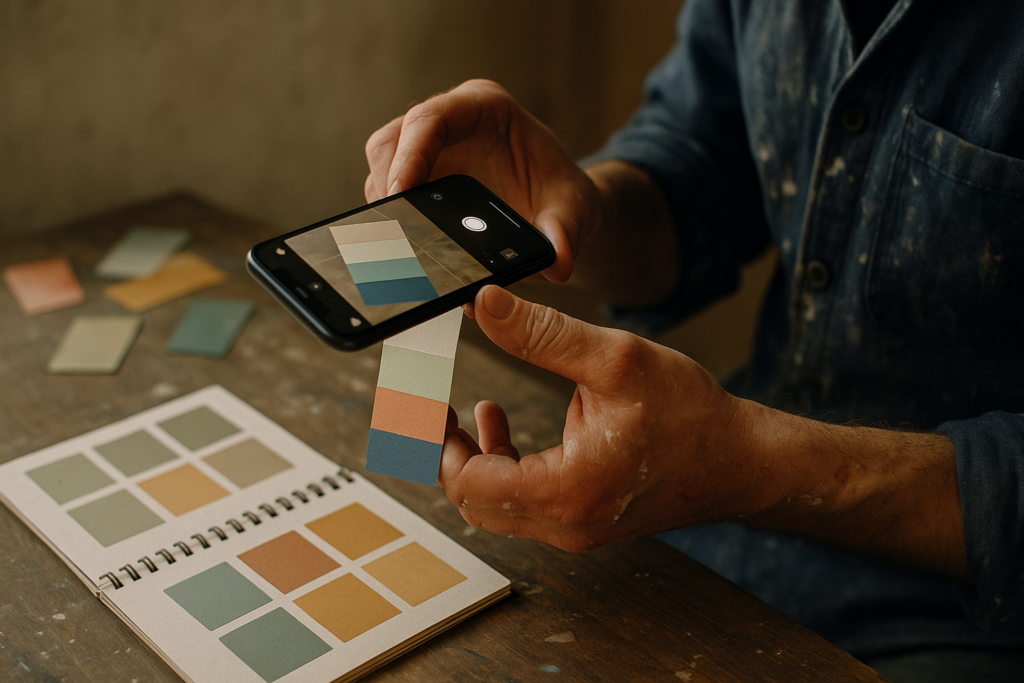
The analysis of colour data collected through photo documentation is a critical step for painters looking to better understand their colour choices and how they translate into different mediums. Once the images of colour samples are captured, the next phase involves scrutinizing the data for insights that can inform future projects. Using a painter colour sample app UK can be particularly beneficial in this regard, as it often includes features for analysing colour values and generating detailed reports based on the captured images. These tools can assist in extracting numerical data associated with hue, saturation, and luminance from the colour samples, which are essential for creating a balanced palette.
Additionally, colour analysis can help identify trends within an artist’s work. By categorizing colours based on their usage frequency or success in certain projects, painters can pinpoint preferred shades and combinations, ultimately refining their artistic voice. Software tools may offer visualizations that showcase this data, allowing artists to see which colours resonate the most with their audience or suit particular styles or themes.
<pFurthermore, applying colour theory principles during data analysis enhances depth. Painters can explore complementary, analogous, or triadic colour schemes based on their documented samples, informing decisions for future compositions. This analytical approach can lead to more sophisticated colour strategies that improve the overall aesthetics of their artwork.<pOn a practical level, documenting and analysing colour samples through an app ensures that painters have a reliable source of information when needing to recreate specific shades in subsequent works or when collaborating with others. By focusing on the analytical aspects of colour data, artists can elevate their practice, transforming inspiration into a structured colour plan that harmonizes with their artistic vision.
Best Practices for Documentation
To ensure effective documentation of colour samples, painters should adopt best practices that enhance the accuracy and usability of their work. Setting up a systematic approach is essential for consistency and efficiency. One primary practice is establishing a standardized method for capturing colour samples, which includes consistent lighting conditions, camera settings, and shooting angles. This routine minimizes variability and ensures that every recorded sample reflects the true colour as accurately as possible.
Utilizing the same backdrop for each image is also advisable. Neutral backgrounds, such as grey or white, provide a clean canvas that prevents any influence on the perceived colour of the samples. Additionally, proper calibration of any devices used is paramount. For instance, a painter colour sample app UK ought to be calibrated regularly to maintain fidelity in colour representation, providing a reliable reference point for future work.
Furthermore, meticulous tagging and categorizing of colour samples within the app can streamline the retrieval process. By labeling colours by their shade, hue, and context of use, artists can easily navigate their digital portfolios and quickly find the samples relevant to their current projects. This practice not only encourages organization but also enhances creative exploration, allowing painters to revisit past choices and evolve their palettes.
Routine backups and updates of the digital records ensure that critical data remains safe and accessible. Establishing a routine for documentation, such as setting aside specific times to photograph and upload new samples, can integrate this process smoothly into the artist’s workflow. Additionally, sharing documented samples with clients or collaborators through the app promotes transparency and aids in collecting feedback on colour choices.
Revisiting and reassessing documented samples on a regular basis can yield insights into evolving trends or preferences in one’s work. Painters may discover which colours resonate most with their audience or which combinations yield the best results, allowing them to make informed decisions moving forward. By adhering to these best practices, artists can create a comprehensive and effective archive of their colour samples that supports their creative processes and fosters artistic growth.


