







Painters Gain Visibility Across All Jobs Using Dashboards
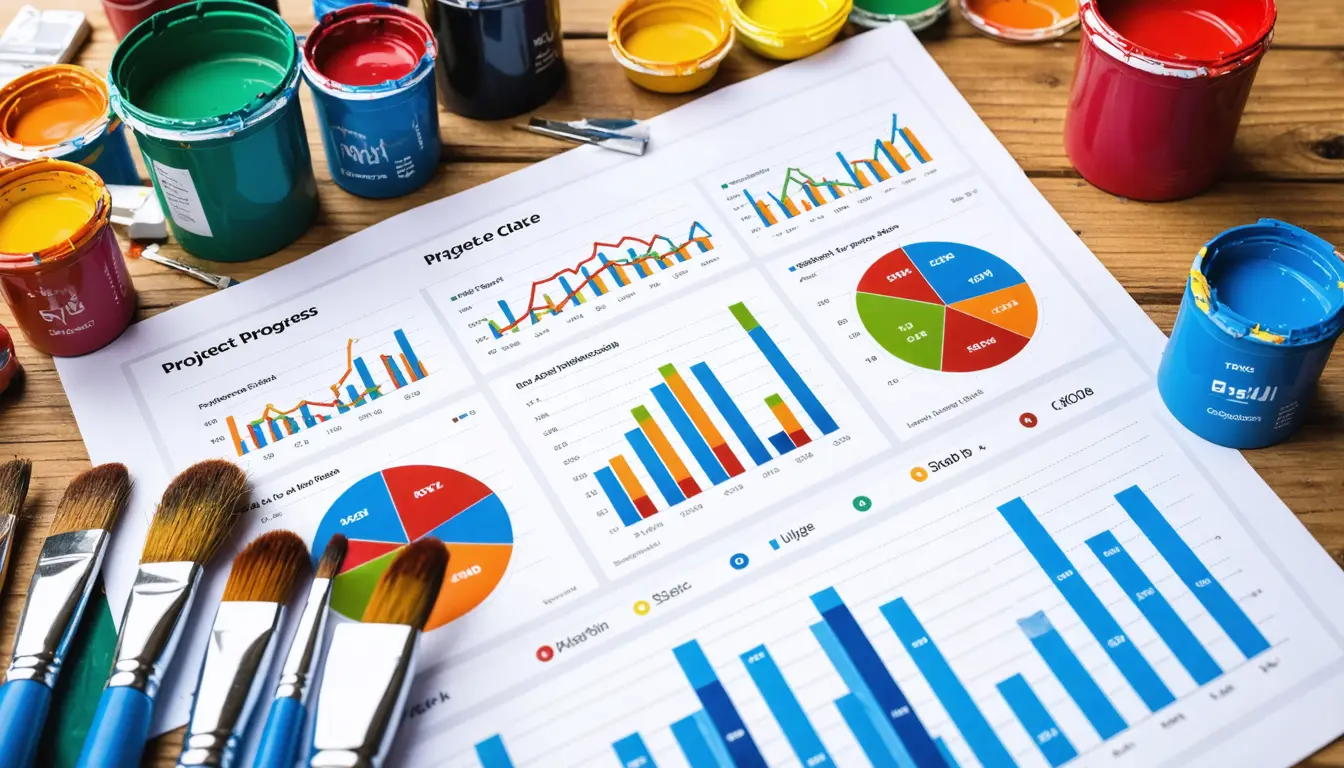
painters are increasingly turning to dashboards for job management, harnessing the power of technology to streamline their workflows and enhance productivity. By utilizing painting dashboard software in the UK, painters can visualize key metrics and track project progress in real-time. This type of software allows them to manage multiple projects simultaneously, allocate resources effectively, and monitor timelines with ease. The integration of job management features such as scheduling, budgeting, and client communication directly within the dashboard facilitates a more organized approach to work, reducing the likelihood of errors and miscommunications. As painters become more proficient in using these digital tools, they find themselves able to deliver higher quality results while navigating the complexities of their projects with greater confidence. The comprehensive overview provided by these dashboards enables painters to identify potential bottlenecks early and make informed decisions to address challenges proactively.
New in this topic: Why AI Estimating Helps Builders Stay Competitive.
Key features of effective dashboards
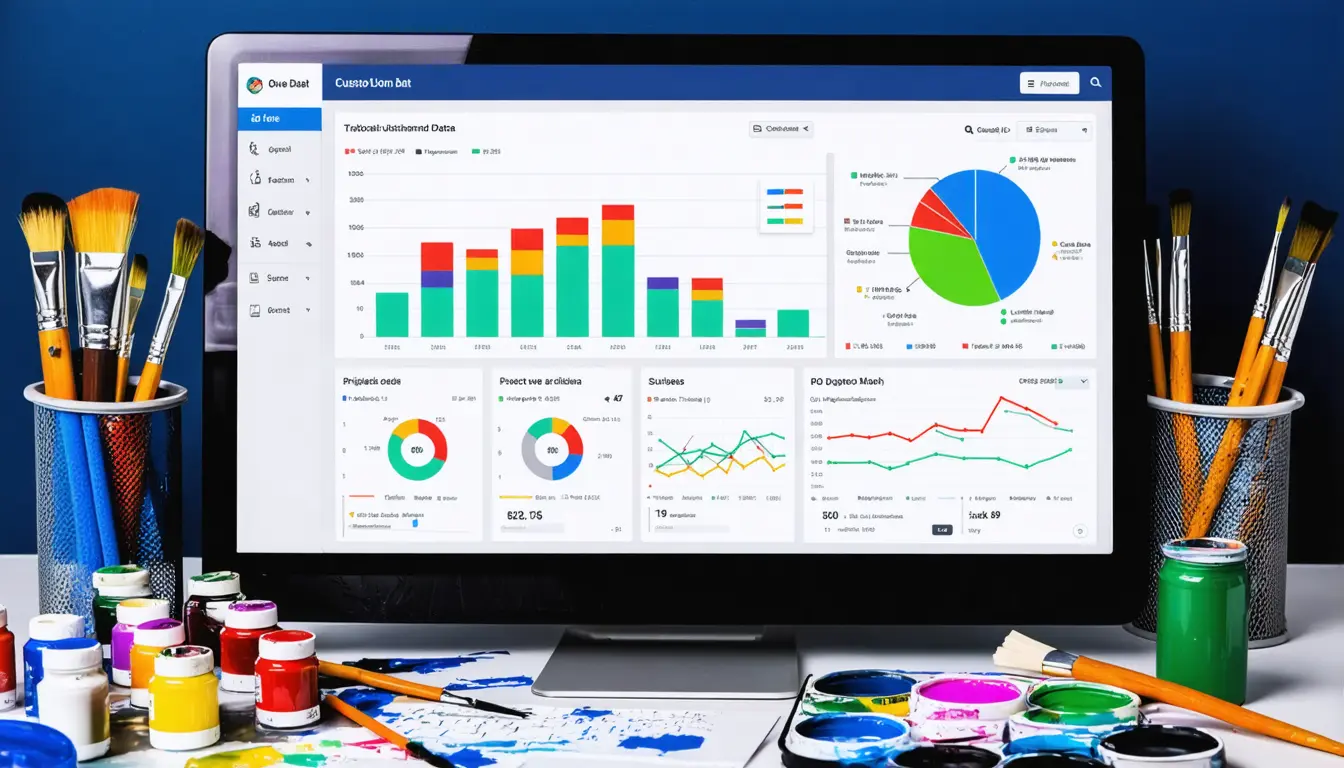
Effective dashboards incorporate several key features that significantly enhance their usability and effectiveness for painters in the field. One of the most crucial elements is user-friendly design, allowing painters to navigate through the software with ease. Intuitive layouts and straightforward navigation ensure that users can quickly access the information they need without wasting time digging through complicated menus. Additionally, customization options are vital, enabling painters to tailor the dashboard to their specific needs. They should be able to choose which metrics to display prominently, whether it’s project timelines, expenses, or resource allocation, and rearrange the layout to suit their workflow preferences.
Another important feature is the integration of various data sources, allowing users to pull information from multiple platforms into one cohesive view. For instance, when using painting dashboard software in the UK, painters can integrate financial data, client feedback, and project management tools into a single dashboard for a comprehensive overview of their operations. Furthermore, visual representation of data, such as graphs and charts, enhances understanding at a glance, making it easier for painters to interpret complex datasets.
Real-time updates are essential, as they provide immediate visibility into ongoing projects and highlight any areas that require attention. This feature not only keeps painters informed but also empowers them to make timely decisions that can improve project outcomes. Moreover, collaboration tools integrated within the dashboard foster communication among team members and clients, streamlining interactions and reducing the chances of miscommunication. The ability to share dashboards or specific metrics with clients enhances transparency and builds trust. Ultimately, these key features combine to create a powerful tool that enables painters to operate more effectively and efficiently in a competitive landscape.
Real-time data tracking and its implications
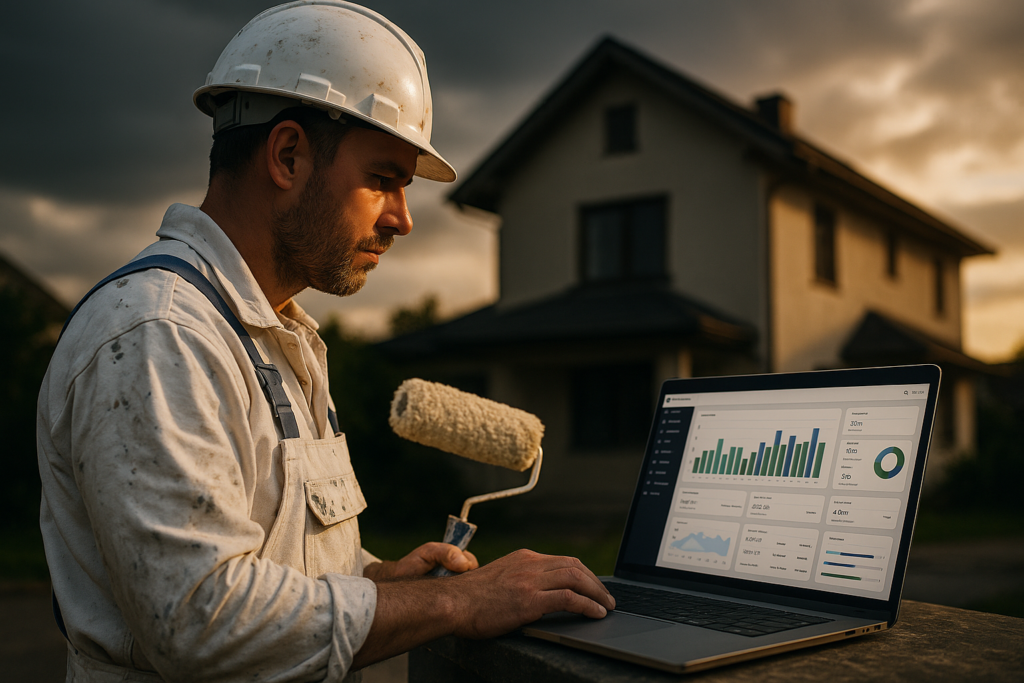
Real-time data tracking plays a pivotal role in enhancing the operational efficiency of painters utilizing dashboard technologies. With painting dashboard software in the UK, professionals can access up-to-the-minute information about project statuses, resource allocations, and financial metrics, allowing them to respond dynamically to any emerging issues. This capability is particularly beneficial in a fast-paced environment where client needs and project conditions can change rapidly. By having immediate access to data, painters can adjust their strategies, manage workloads more effectively, and allocate resources where they are most needed, ultimately leading to more successful project completions.
The implications of real-time data tracking extend beyond mere project management. It also fosters a culture of accountability and transparency within teams. When all members have access to the same live data, they are more likely to work collaboratively towards shared goals. For instance, if a painter notices that they are falling behind on a scheduled task, they can instantly communicate this with their team and work together to reallocate workforce or adjust timelines accordingly. This proactive approach helps mitigate potential delays and maintains client satisfaction.
Moreover, real-time analytics can also reveal trends and patterns that might go unnoticed otherwise. For painters, understanding these patterns can lead to better forecasting and planning for future projects. For example, by analyzing data regarding the types of jobs that take longer to complete or require more resources, painters can refine their bidding processes and improve project estimations in the future. This predictive capability, enabled by real-time data, not only enhances current project execution but also lays the groundwork for future successes.
Furthermore, the ability to track performance metrics in real-time helps painters gauge their productivity and efficiency. Key performance indicators (KPIs) can be monitored continually, allowing for timely interventions when performance dips below expected levels. This constant feedback loop ensures that painters are always striving for improvement and can make informed decisions based on solid data rather than instinct or guesswork. In an industry where margins can be tight and competition fierce, having this kind of visibility can be a game-changer.
Case studies of increased efficiency
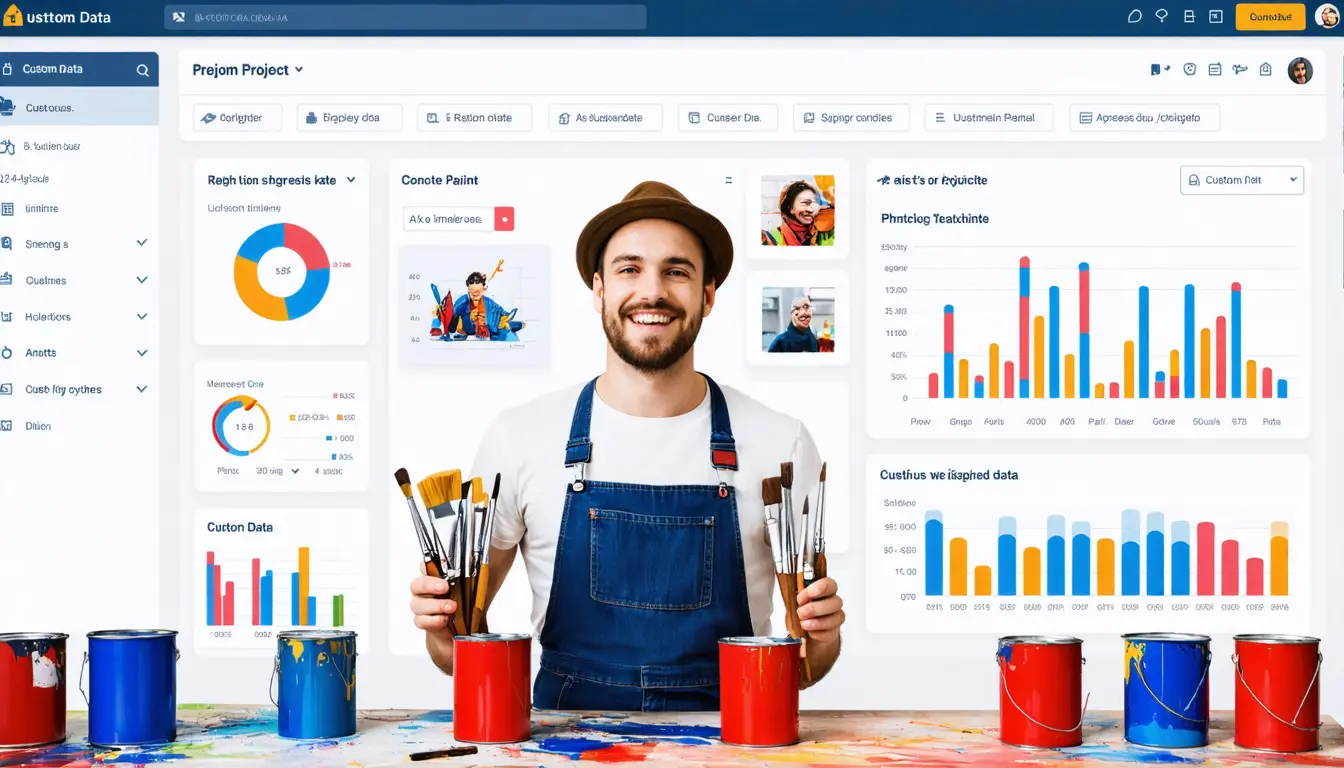
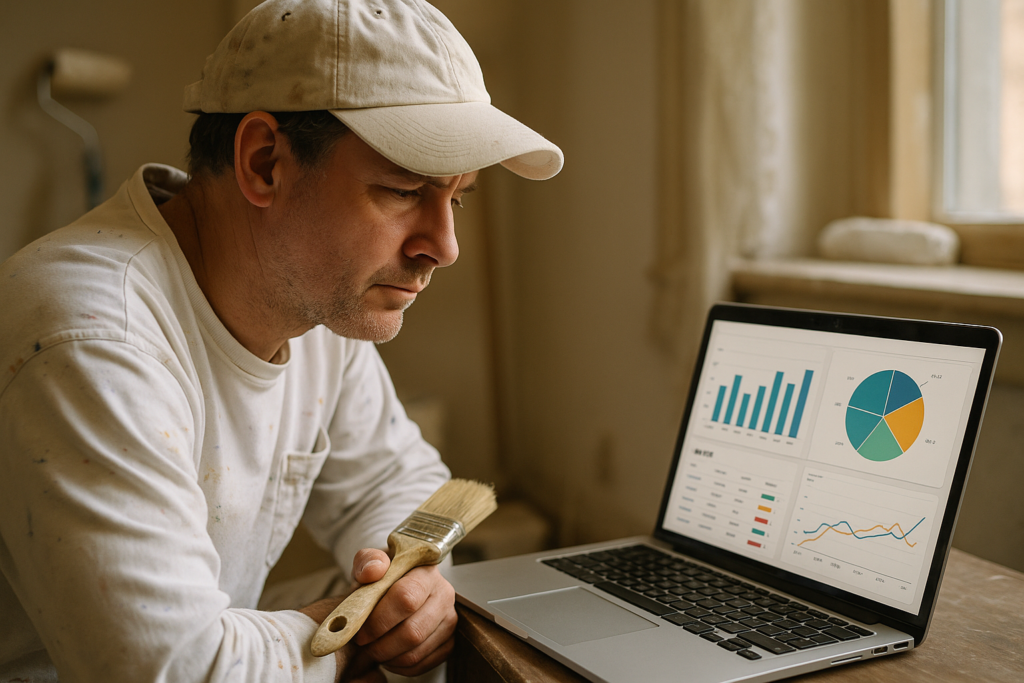
Numerous case studies illustrate the profound impact of painting dashboard software in the UK on the efficiency of painting professionals. For example, a mid-sized painting company in London adopted a comprehensive dashboard solution to manage their array of commercial projects. Before implementing this tool, the company struggled with project delays and miscommunication, often resulting in missed deadlines and dissatisfied clients. After integrating painting dashboard software, the team was able to visualize project timelines and allocate resources more effectively. This shift led to a significant reduction in turnaround times, with the company reporting a 25% increase in project completion rates within the first quarter following the transition.
Moreover, another case involving a residential painting business in Manchester highlighted the role of dashboards in enhancing client communication. By utilizing real-time data tracking features, the painters could provide clients with updates on their projects directly through the dashboard. This transparency allowed clients to see exactly where their project stood at any given moment, leading to increased client satisfaction and a marked improvement in repeat business. The company reported a 40% increase in customer retention within six months, directly attributed to the enhanced visibility that the dashboard provided.
Beyond individual companies, industry-wide analyses show that painters who embrace dashboard technologies tend to outperform their competitors who do not. A recent survey indicated that firms utilizing painting dashboard software in the UK noted an overall productivity enhancement of up to 30%, driven by better project tracking and more effective communication. These improvements are not just anecdotal; they are supported by data demonstrating how improved operational visibility can lead to measurable financial gains and competitive advantages.
Furthermore, a collaborative project among various painters across the UK used a shared dashboard to monitor paint usage and contractor efficiency in real-time. As partners analyzed the data, they identified patterns such as common delays associated with certain types of job sites. Armed with this knowledge, they adjusted their operational strategies, ultimately reducing project costs and shortening timelines. The collaborative insights drawn from a unified dashboard led not only to improved efficiencies on individual projects but also fostered a culture of continuous improvement across the network of painters involved.
Future trends in dashboard technology for painters
As the painting industry evolves, so too does the technology that supports it, particularly in the realm of dashboard solutions. Future trends in dashboard technology for painters indicate a significant shift towards enhanced integration with advanced technologies such as artificial intelligence (AI) and machine learning. These developments promise to bring even more powerful insights to painters by predicting project outcomes based on historical data, optimizing scheduling, and identifying potential issues before they become critical. Painters leveraging painting dashboard software in the UK can expect to benefit from predictive analytics features that enhance decision-making and resource allocation, ultimately resulting in greater efficiency and cost savings.
Moreover, the incorporation of mobile technology into dashboard solutions is set to become more prevalent. As more painters work remotely or on-site, having access to real-time data through mobile devices will enable them to make swift decisions regardless of their location. This flexibility is expected to significantly improve communication and responsiveness, allowing teams to address challenges promptly and keep clients informed. With the development of dedicated mobile applications, painters will be able to track project progress, update timelines, and communicate with clients all from their smartphones or tablets, ensuring that no detail is overlooked.
Another notable trend is the move towards enhanced collaboration features within dashboards. As painting projects often involve multiple stakeholders, including clients, contractors, and suppliers, the future of dashboard technology will likely include more intuitive collaborative tools that facilitate seamless communication and information sharing. Features such as shared dashboards, comment sections, and integrated messaging systems are expected to create a more interactive environment, allowing teams to work together more effectively while also keeping clients in the loop about project developments.
Furthermore, as sustainability becomes more paramount in construction and renovation projects, dashboard technology is poised to incorporate eco-friendly metrics. Painters will be able to track their material usage and waste production, enabling them to target areas for improvement and adopt greener practices. This focus on sustainability not only aligns with industry standards but also appeals to environmentally conscious clients who prioritize eco-friendly services. By integrating these metrics into painting dashboard software in the UK, painters can demonstrate their commitment to sustainable practices, thereby enhancing their marketability.
Lastly, the application of augmented reality (AR) and virtual reality (VR) within dashboard interfaces could revolutionize how painters visualize their projects and interact with clients. By providing immersive experiences, painters can showcase potential outcomes, visualize color selections, or simulate project changes before implementation. This technology not only enriches the client experience but also enhances the decision-making process for painters, allowing them to refine their approach based on visual feedback and client preferences. As these technologies continue to develop, the potential for innovative dashboard solutions on the market will be limitless, positioning painters to thrive in an increasingly competitive landscape.


