






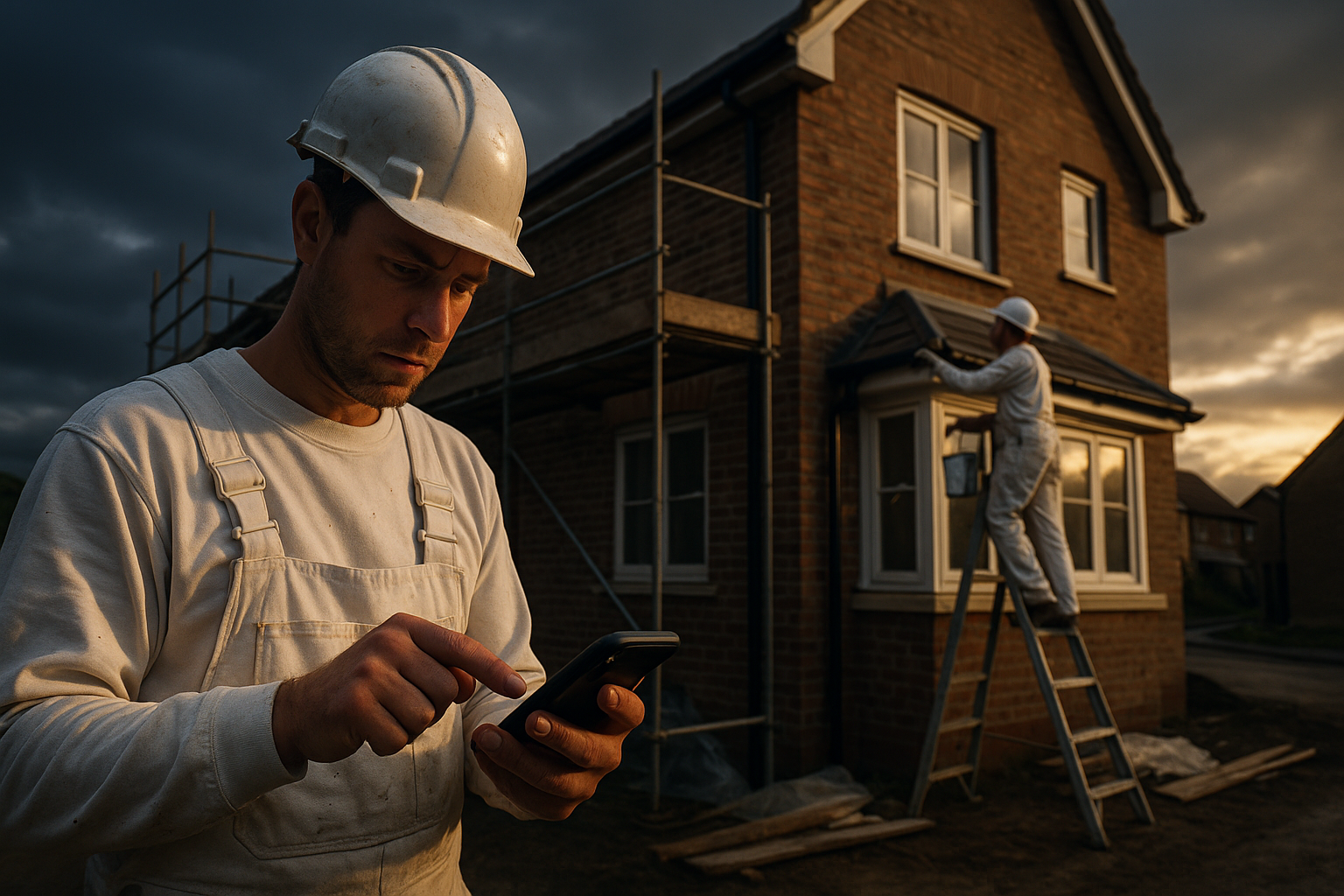

Painters Reduce Delays Using Real Time Coordination Apps
Effective real time coordination is essential in painting projects to ensure that deadlines are met, quality standards are upheld, and resources are utilized efficiently. By leveraging advanced painting team management software in the UK, painters can streamline their communication and reduce delays significantly. These applications allow teams to share updates instantly, access project timelines, and allocate tasks effectively in real time. This level of coordination minimizes the likelihood of miscommunication and fosters a collaborative environment where everyone is on the same page. Furthermore, real time coordination helps in monitoring progress closely, enabling project managers to make informed decisions quickly and adjust plans as necessary. When unexpected challenges arise, such as inclement weather or supply shortages, the ability to communicate and adapt in real time becomes even more critical, ensuring that project timelines remain intact and client expectations are met.
New in this topic: The Best UK Apps for Tracking Job Progress.
Benefits of using coordination apps
The adoption of coordination apps in painting projects presents numerous advantages that enhance productivity and efficiency. Firstly, these applications facilitate seamless communication among team members, allowing instant sharing of information and updates. Painters can easily report their progress, address issues, and request additional resources without delay, thereby preventing bottlenecks that often arise from lagging communication. With the integration of painting team management software in the UK, teams can access centralized information that promotes transparency and accountability throughout the project lifecycle.
Coordination apps also improve time management by providing real-time tracking of project milestones and deadlines. Painters can visualize their schedules, allowing them to allocate their time more effectively and prioritize tasks based on urgency. This not only boosts on-site productivity but also ensures that tasks are completed in a timely manner, leading to higher client satisfaction rates. Additionally, these tools often come equipped with reminders and alerts that help team members stay focused on their responsibilities and minimize the risk of overlooked details.
Furthermore, the data collected through these apps can be analyzed to gain insights into project performance. By evaluating the efficiency of workflows and identifying areas for improvement, painters can refine their strategies for future projects. This level of analysis was not possible before the advent of coordination technology, making it a game-changer in the painting industry. Finally, the ease of collaboration enabled by these apps also fosters a sense of community among workers, promoting a culture of teamwork and shared success that extends beyond individual projects.
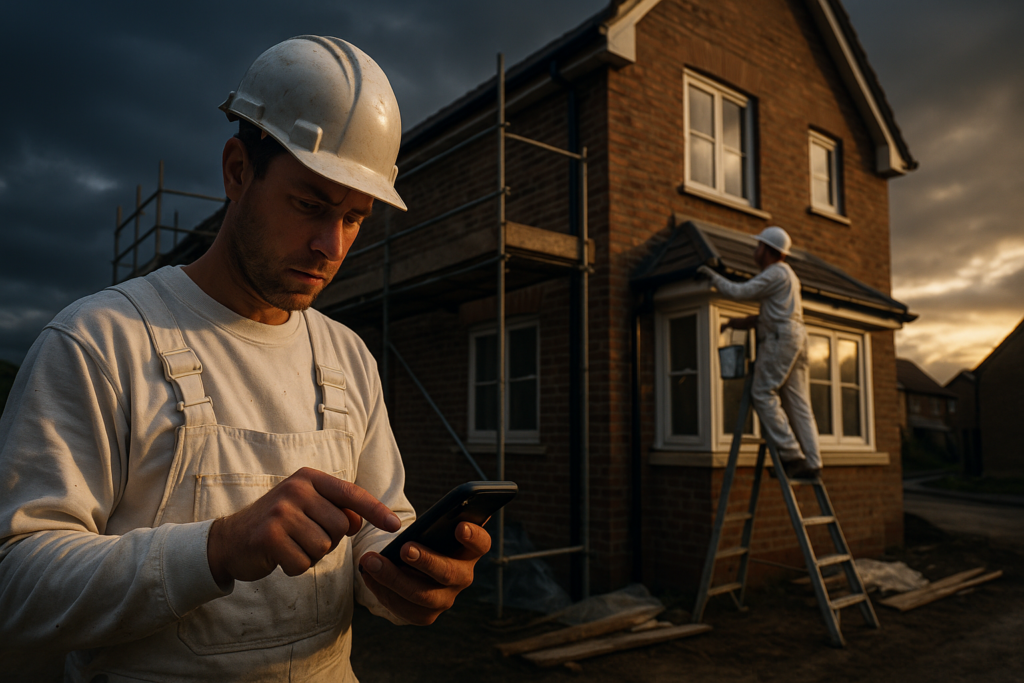
Challenges faced by painters
Despite the clear advantages of real-time coordination apps, painters encounter several challenges that can impede their effectiveness. One of the most significant hurdles is the initial adoption and integration of painting team management software in the UK. Many painters and contractors may be resistant to change, particularly if they are accustomed to traditional communication methods, such as phone calls or in-person meetings. This resistance can lead to inconsistent usage of the app and prevent the team from fully leveraging its capabilities.
Additionally, there may be a lack of technical expertise among some team members, which can hinder the successful implementation of these tools. Painters who are not tech-savvy might struggle with navigating the software, leading to frustration and decreased productivity. Consequently, adequate training and ongoing support are essential to ensure that all team members are comfortable using the technology and are able to utilize its features effectively.
Another challenge faced by painters is the potential for information overload. With the constant influx of updates and notifications from the coordination apps, some team members might feel overwhelmed. This can result in important messages being overlooked or disregarded altogether, negating the benefits of real-time communication. To combat this issue, it is crucial for teams to establish clear protocols for communication while utilizing the apps’ functions effectively. By prioritizing necessary information and creating a structured flow of updates, teams can minimize confusion and enhance focus.
Furthermore, painters often experience external factors that impact their project timelines and can complicate coordination. Weather fluctuations, supply chain disruptions, and unexpected changes in project scope can all create setbacks that require swift adjustments in plans. While real-time coordination allows for quick communication, the inherent unpredictability of these external challenges can still lead to delays, especially if teams are not prepared for rapid decision-making. Painters must cultivate a proactive mindset and incorporate flexible planning into their strategies to mitigate these risks.
Lastly, budget constraints can be a barrier to the widespread adoption of advanced coordination tools. Small painting businesses may find it difficult to justify the costs associated with software subscriptions or the training required for effective utilization. Without sufficient resources, they may rely on outdated practices that hinder efficiency and increase the likelihood of costly delays. Seeking affordable options or consulting with software providers can help bridge this gap and encourage more companies to embrace digital solutions that enhance their operations.
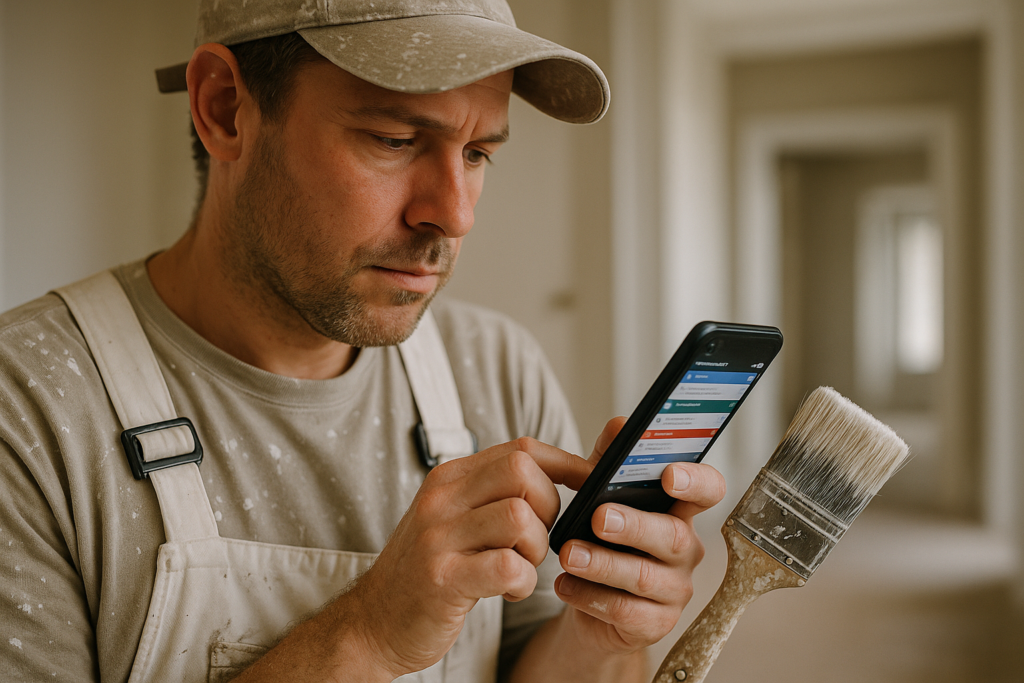
Case studies and success stories
Several successful case studies illustrate the transformative impact that real-time coordination apps have had on painting projects across various settings. One notable example involves a mid-sized painting company that adopted painting team management software in the UK for a large commercial contract. Initially facing challenges with miscommunication and project delays, the team decided to integrate a coordination app. Within weeks of implementation, the company experienced significant improvements in their workflow. Team members began sharing daily updates through the app, which allowed project managers to track progress in real-time. This led to quick identification and resolution of issues, ultimately resulting in the project being completed two weeks ahead of schedule.
Another compelling case comes from a residential painting contractor who utilized a coordination app during a complex home renovation project. The contractor faced numerous delays due to weather and supply issues, which threatened to derail the project timeline. By leveraging the app’s features, the team could communicate instantly about changes in conditions and adjust their schedules accordingly. They utilized the app to reschedule workers and materials effectively, ensuring that tasks continued without significant interruptions. This proactive adjustment enabled the contractor to maintain a positive relationship with the homeowner, who praised their flexibility and timely updates throughout the project.
<pFurthermore, a team specializing in artistic murals adopted real-time coordination technology for a high-profile public art initiative. Traditionally reliant on in-person meetings to align on design and logistics, the team found it challenging to maintain a clear communication flow among the artists and project managers. By implementing a coordination app, they could share designs, receive immediate feedback, and adjust the mural plan as needed, all while on-site. This streamlined their creative process and resulted in the completion of the mural well before the projected deadline, leaving both the artists and stakeholders highly satisfied with the outcome.
<pThese case studies demonstrate not only the impact of effective real-time coordination but also highlight the diverse ways in which painting teams can leverage technology to enhance their operations. The stories of these successful implementations serve as powerful reminders of the importance of embracing digital solutions to navigate the evolving demands of the painting industry.
Future trends in painting and technology
Looking ahead, the future of painting and technology is poised for significant evolution, driven by continuous advancements in digital tools and applications. As the painting industry increasingly embraces painting team management software in the UK and beyond, several emerging trends are expected to shape how projects are managed. One of the most exciting developments is the integration of artificial intelligence (AI) into coordination apps. AI can analyze vast amounts of project data, offering predictive insights that help teams make informed decisions faster. This capability can enhance project planning by forecasting potential delays based on historical data, allowing painters to strategize effectively and proactively mitigate issues before they arise.
Moreover, the use of augmented reality (AR) is gaining traction in the painting industry. AR applications enable painters to visualize their work in real-time by overlaying digital images onto physical spaces. This not only assists in color visualization and design selection but also streamlines the communication process with clients and stakeholders. Clients can see precisely how a space will look after the work is completed, reducing misunderstandings and increasing satisfaction. As these technologies continue to develop, the potential for their seamless integration into existing coordination tools will make managing painting projects more efficient than ever.
Cloud-based solutions are also on the rise, allowing for enhanced collaboration among team members regardless of their location. This flexibility is particularly advantageous for larger teams that may be dispersed across different job sites. With cloud infrastructure, all team members can access project information and updates in real-time, fostering a more cohesive working environment. Additionally, the rise of mobile applications ensures that painters have access to essential project details and tools right at their fingertips, making it easier for them to stay engaged and informed even while on the move.
As a result of these advancements, the role of project managers is anticipated to shift significantly. With the aid of sophisticated technology solutions, managers will spend less time on mundane administrative tasks and more time focusing on strategic planning and relationship-building. This shift could lead to increased job satisfaction among managers and higher overall productivity on job sites. Furthermore, as the industry moves toward a more tech-savvy workforce, training programs will likely evolve to incorporate digital literacy as a core competency, equipping painters with the skills they need to thrive in a technology-enhanced environment.
The convergence of innovative technology and traditional painting practices promises to redefine the landscape of the industry. As painting teams adapt and evolve alongside these advancements, they will not only enhance their operational efficiencies but also create a more connected and empowered workforce ready to tackle the challenges of the future.


