






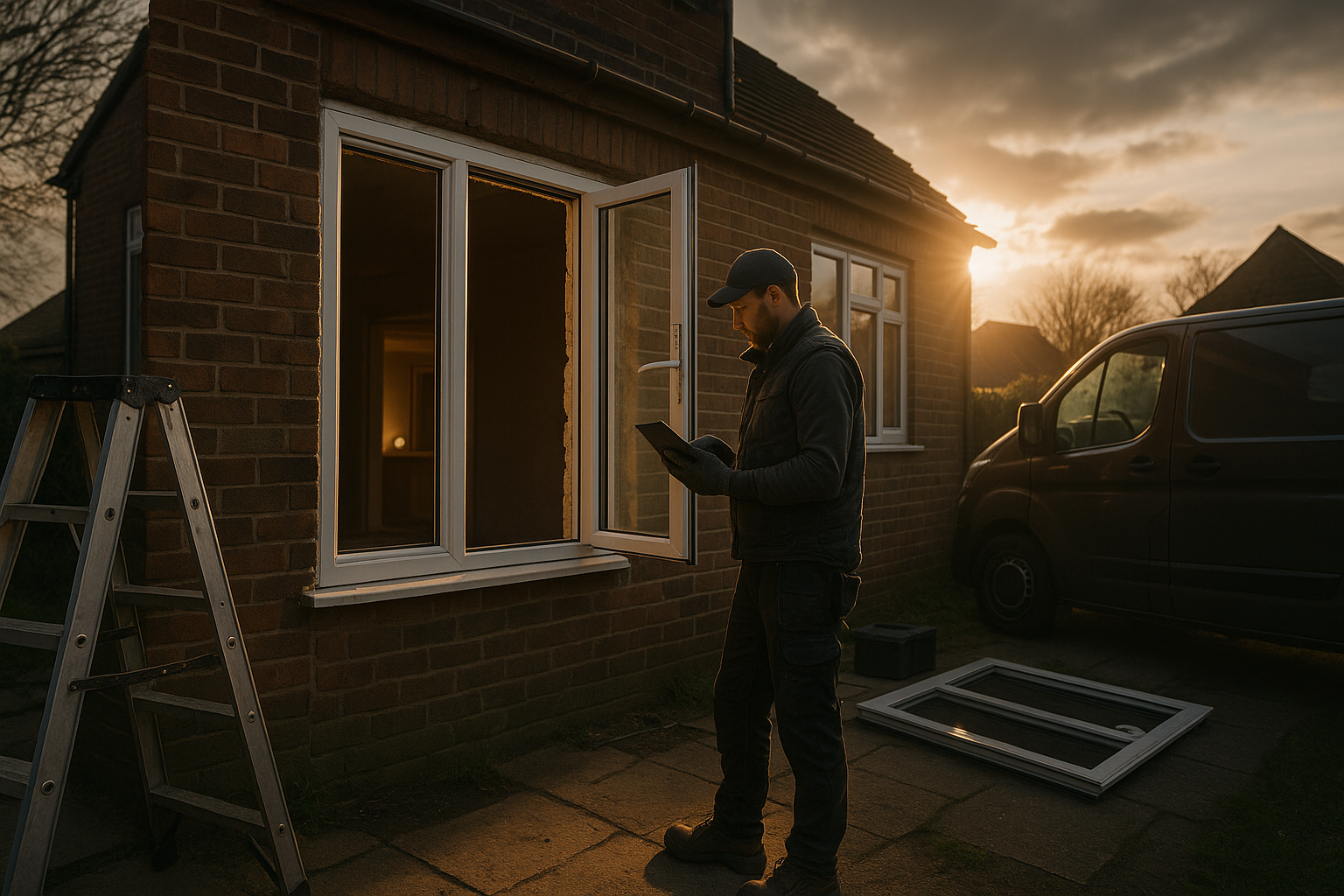

The Window Fitter’s Guide to Managing Installations
Effectively managing installation projects is crucial for ensuring that window fitting operations run smoothly and efficiently. This involves coordinating multiple aspects, including deadlines, resource allocation, and communication among team members. One of the key tools that can aid in this process is window fitting business software UK, which allows for better scheduling and tracking of projects from start to finish. Utilizing such software helps to streamline workflows and improves the overall management of installation tasks, ensuring that each project adheres to timelines and quality standards.
New in this topic: How ConstruX Simplifies Project Management for UK Tradesmen.
It is important to establish clear objectives and roles for each team member at the onset of the project. Setting realistic deadlines based on assessments of job complexity and material availability can prevent bottlenecks. Regularly reviewing progress and addressing any issues as they arise can significantly enhance the outcome of the installation process. Additionally, fostering open lines of communication among the installation crew, suppliers, and customers helps to mitigate misunderstandings and ensures that everyone is aligned on expectations and timelines.
Furthermore, utilizing project management methodologies can be beneficial. For instance, applying techniques such as Agile or Lean can allow teams to adapt quickly to changes and optimize processes for better efficiency. Always recording lessons learned from each project can also provide valuable insights for future installations, helping to refine strategies and improve profitability within the window fitting business.
Planning and preparation
Successful planning and preparation are critical to the success of any window installation project. This stage involves a comprehensive assessment of the project requirements, identifying necessary materials, and outlining the specific steps needed to execute the installation effectively. A detailed project plan not only serves as a roadmap but also helps to anticipate potential challenges and allocate resources efficiently.
Begin by conducting a thorough site survey to understand the characteristics of the space where the windows will be installed. This includes measuring dimensions accurately, taking note of any obstacles that may impede the installation process, and assessing the overall condition of existing structures. Knowing the site specifics helps in preparing the installation team for prevailing conditions they may encounter.
The next step involves selecting the right windows and materials based on the survey findings. Consider energy efficiency, durability, and aesthetics that align with the client’s preferences and local building codes. Sourcing high-quality materials is essential to ensure longevity and performance, thereby enhancing customer satisfaction and reducing the likelihood of post-installation issues.
Utilizing window fitting business software UK in this phase can significantly streamline the planning process. Such tools can help in project scheduling, tracking material availability, and managing costs effectively. By inputting all project details into the software, project managers can maintain an organized overview of timelines, tasks, and responsibilities, facilitating seamless communication with team members and suppliers.
Before commencing installation, conduct a pre-site meeting with the installation crew. This meeting should clarify roles, review the project plan, and discuss safety protocols, ensuring everyone is aligned on expectations and understands their responsibilities. Comprehensive planning and preparation create a solid foundation for the installation process, setting the stage for a smooth execution while minimizing the risk of delays or complications. A proactive approach during this phase can offer significant advantages, leading to a successful and efficient window fitting project.
Tools and materials needed
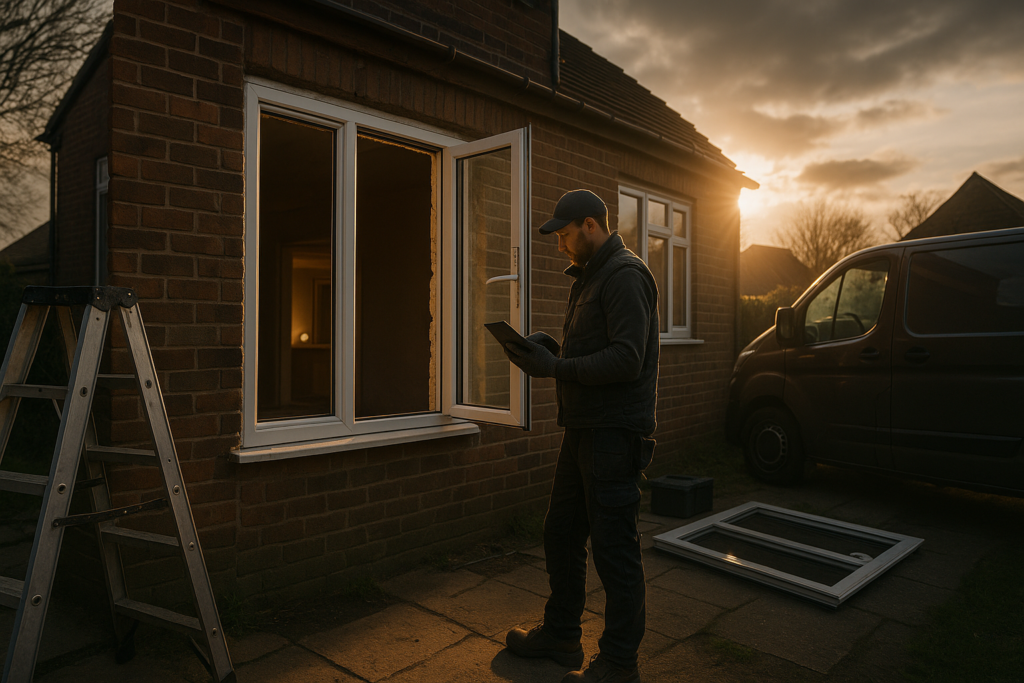
Having the right tools and materials is essential for a successful window installation. Ensure that your team is equipped with both standard tools and specialized equipment to meet the demands of the job. Basic tools include measuring tapes, levels, and square tools for accurate measurements and layout. A pneumatic nail gun can significantly speed up the installation process, while hand tools like screwdrivers, chisels, and hammers are necessary for finer adjustments and installations. More advanced installations may require power saws and drills to handle both frame and finishing work. Additionally, having a sturdy ladder or scaffolding will ensure safety and accessibility during the installation of high or difficult-to-reach windows.
In terms of materials, selecting the right type of windows and frames is crucial. Assess whether double glazing or triple glazing is best suited for the installation based on energy efficiency requirements and customer preferences. Always ensure the frames are made of durable materials, such as vinyl, wood, or aluminum, that can withstand the local climate conditions. Don’t forget about the necessary seals and weatherstripping, as these materials are vital in preventing air and water leaks, contributing to the overall effectiveness of the installation.
In addition to the physical tools and materials, integrating window fitting business software UK can enhance the efficiency of resource management. This software aids in the cataloging of inventory and materials, ensuring that the necessary supplies are readily available and accounted for before the installation day. By keeping track of inventory levels electronically, project managers can avoid last-minute shortages and delays, enabling a smoother installation process.
Furthermore, preparing a toolkit for each crew member, containing essential tools specific to their role, can increase efficiency. This proactive organization allows the installation team to work more effectively and reduces downtime during the project. Adopting a systematic approach to organizing tools and materials not only saves time but also enhances productivity on-site, allowing the team to focus on delivering high-quality installations.

Safety protocols and best practices
Safety is paramount in any installation project, and adhering to established protocols and best practices can significantly reduce the risk of accidents and injuries on the job site. One of the first steps to ensure safety is to conduct thorough risk assessments prior to starting any installation work. This should include identifying potential hazards, evaluating the environment’s characteristics, and determining the necessary precautions needed to mitigate risks. It is essential for team members to be aware of these hazards and to participate in discussions surrounding safety to foster a culture of vigilance and care.
All installation crew members should be equipped with appropriate personal protective equipment (PPE). This includes safety glasses, hard hats, gloves, and, when necessary, harnesses for elevated work. Proper footwear that provides good support and slip resistance is also crucial. Each crew member should be trained on how to use their PPE correctly, and checks should be regularly carried out to ensure that all equipment is in good condition and replaced when worn or damaged.
Establishing clear communication protocols is vital to promote safety during installations. Crew members should be trained to signal and communicate effectively, especially in noisy environments where verbal instructions may be difficult to hear. Utilizing two-way radios can enhance communication, allowing team members to stay connected and alert one another to any potential issues that may arise during the installation process.
Moreover, it is essential to create a clean and organized workspace. Clutter can lead to accidents, so routinely maintaining an ordered site can increase overall safety. Tools and materials should be stored properly when not in use, and all work areas should be kept free of debris to prevent tripping hazards. Implementing a system for managing waste disposal during the installation process can also minimize unnecessary clutter.
Incorporating safety training and regular safety meetings into the workflow can reinforce the importance of protocols and practices. These meetings serve as a platform to discuss new safety measures, review incident reports, and share lessons learned. Additionally, leveraging window fitting business software UK can assist in tracking safety training records and ensuring that all crew members are up to date with their compliance requirements. By prioritizing safety and committing to ongoing training and vigilance, installation projects can proceed with reduced risk, ultimately benefiting the company and its employees.
Troubleshooting common issues
Troubleshooting issues that arise during window installations is an essential skill that can save time, resources, and ultimately customer satisfaction. Misalignment, air leaks, and improper sealing are some common challenges that fitters may encounter. Recognizing potential problems early on can help implement effective solutions swiftly. One of the first signs of improper installation might be visible gaps around the frame or unevenness when the window is closed. In such cases, it’s crucial to re-check the level and alignment of the window. Using a level tool can help determine if the window frame is installed correctly. If it’s not, adjustments may be needed to the shims or the fasteners used during the installation.
Another critical issue can be air or water leaks, which can lead to long-term problems if not addressed immediately. Checking the integrity of the seals and weatherstripping is essential. If leaks are detected, it may be necessary to replace or reapply sealants. Ensuring that the caulking is applied smoothly and consistently around the frame can effectively prevent these issues from developing. Applying window fitting business software UK can assist in documenting these issues and tracking resolutions, creating a continuous improvement loop for installation processes.
Furthermore, noise complaints from windows that are difficult to open or close can indicate improper installation. Poorly fitted windows may result from incorrect measurements or too much or too little pressure being applied during installation. Regular audits of installation methods and retraining team members on proper techniques can mitigate these risks in future projects.
Occasionally, installers may face issues with hardware, such as malfunctioning locks or hinges. It’s advisable to have a set of spare parts on hand to address these problems immediately, rather than postponing resolutions that could lead to unnecessary delays. Installing high-quality hardware and performing routine checks on all components during and after installations can ensure optimal performance and longevity.
Open communication with clients about potential issues and troubleshooting methods can also enhance customer relationships. Educating clients on how to spot early warning signs and what they can do if they encounter problems can save everyone time and effort. Lastly, routinely reviewing the project execution with all team members allows sharing experiences and solutions, further refining the installation process and reducing the likelihood of recurring issues.


