







Top 6 Tools Trades Use to Improve Customer Experience
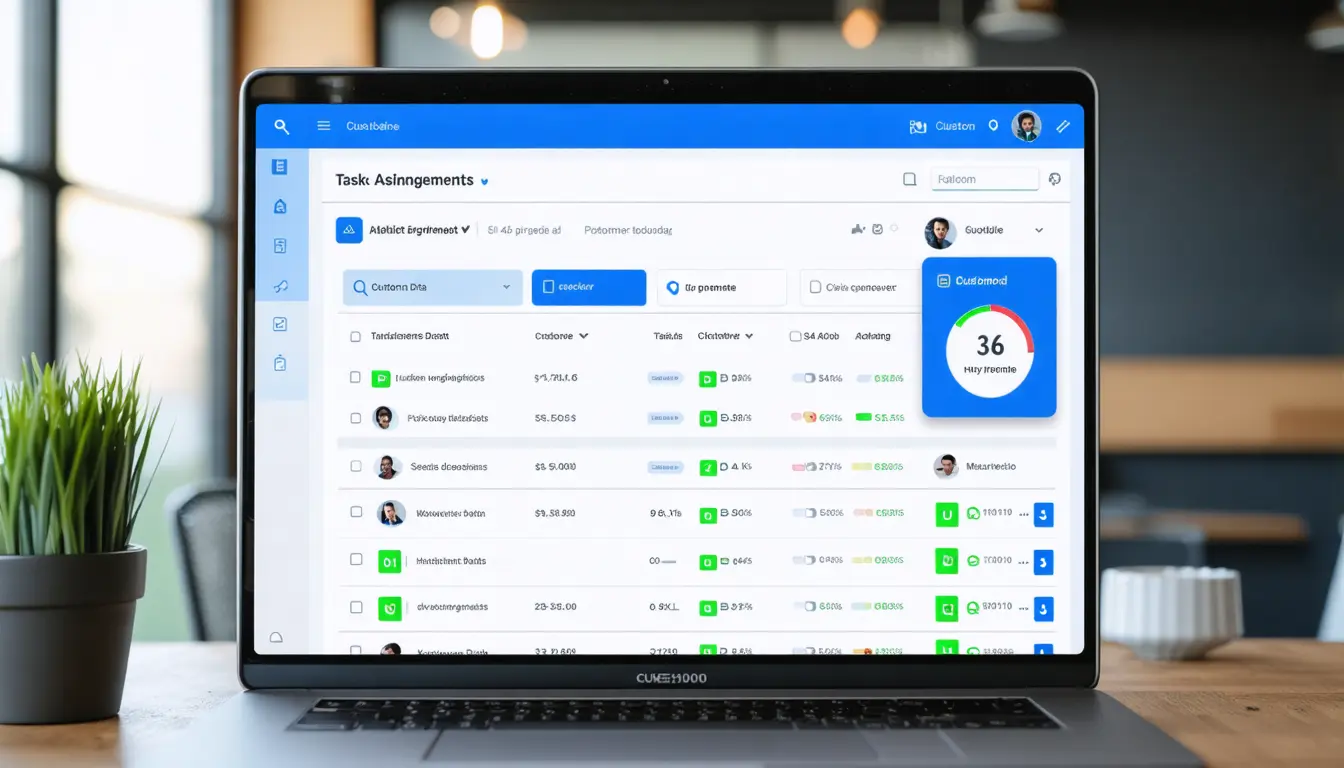
In the ever-evolving landscape of trade businesses, enhancing customer experience has become pivotal for success. Several tools have emerged as champions in this area, designed specifically to address the unique needs of traders and their clientele. One key tool is project management software, which allows teams to track progress, allocate resources, and manage customer expectations effectively. Additionally, customer relationship management (CRM) systems have been invaluable in maintaining connections with clients, providing insights into customer interactions and preferences. Many trade business software UK solutions integrate these functionalities seamlessly, consolidating multiple processes into a unified platform.
New in this topic: How UK Plumbers Improve Customer Experience With Real Time Apps.
Moreover, communication tools such as instant messaging and collaboration platforms have transformed how trades interact with customers. These tools foster real-time interaction, making it easier for businesses to address customer inquiries and provide ongoing support. Field service management software has also become essential, enabling trades to schedule appointments, dispatch technicians efficiently, and manage on-site customer interactions with greater accuracy. By leveraging these tools, trade businesses can significantly enhance their customer experience, ensuring that clients feel valued and heard throughout their journey.
Key features to look for in trade tools

When selecting tools to enhance customer experience in the trade industry, it’s crucial to identify key features that cater to both operational efficiency and customer engagement. One of the primary considerations should be user-friendliness. Tools should have intuitive interfaces that allow team members to adopt them quickly without extensive training. This not only streamlines processes but also encourages consistent usage among staff, thereby improving overall service delivery.
Another important feature to look for is integration capabilities. The best trade business software UK will seamlessly connect with existing systems, such as accounting software and supply chain management tools. This interoperability allows for the smooth flow of information across platforms, ensuring that all team members have access to the most current data and can respond to customer needs in real time.
Real-time analytics and reporting functionalities are also vital. These features empower businesses to monitor performance metrics, customer satisfaction scores, and other critical data points, enabling informed decision-making. By harnessing data insights, trades can identify pain points in the customer journey and implement targeted improvements.
Additionally, robust customer support options are essential. A tool that offers 24/7 assistance, comprehensive knowledge bases, and community forums can significantly enhance user satisfaction. Training resources, whether through online tutorials or interactive webinars, are equally important for maximizing the tool’s potential and ensuring that staff are well-equipped to serve customers effectively.
Lastly, scalability and adaptability should not be overlooked. As trade businesses grow and evolve, their tools must be able to grow with them. Look for features that allow customization and expansion, enabling businesses to add modules or functionalities as their needs change. By prioritizing these key features, trades can choose tools that not only meet their current demands but also evolve in tandem with their operations, ultimately enhancing the overall customer experience.

Case studies: Success stories from the field
Case studies demonstrate the profound impact that the right tools can have on enhancing customer experience in the trade sector. For instance, a plumbing business in London adopted trade business software UK to streamline its operations. By integrating a customer relationship management (CRM) tool with their project management system, they achieved a seamless flow of information. As a result, customers received timely updates on their service requests, which significantly reduced the number of follow-up calls. The enhanced communication led to a 30% increase in customer satisfaction ratings over just six months.
Another successful example comes from a construction firm that implemented field service management software. This enabled their team to schedule appointments and dispatch workers more efficiently. By providing clients with real-time tracking capabilities, customers were able to see the status of their projects, which built trust and transparency. The firm reported a 25% increase in repeat business due to customers feeling more engaged and informed throughout the construction process.
A landscaping company utilized an all-in-one business management tool to automate their appointment reminders and streamline invoicing. This not only reduced administrative burdens on their team but also ensured that customers were never left wondering about their scheduled service. Feedback collected after implementing this system revealed that over 85% of customers appreciated the reminders, leading to higher rates of on-time payments and fewer missed appointments.
These case studies illustrate how integrating specific tools tailored for trade businesses can lead to measurable improvements in customer experience. By leveraging innovative software solutions and being attentive to customer needs, trades can foster stronger relationships and higher satisfaction levels, ultimately driving business growth.
Integrating tools into existing workflows

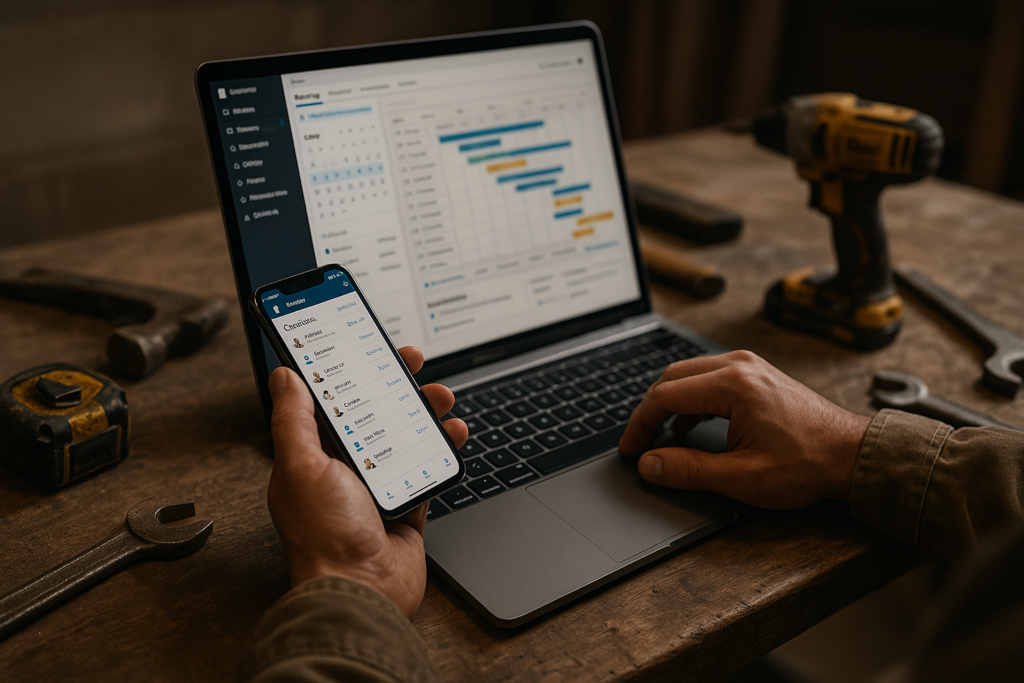
To effectively integrate tools into existing workflows, it is essential for trade businesses to assess their current processes and identify areas where tools can streamline operations. Begin by mapping out the customer journey and pinpointing touchpoints where communication and efficiency can be improved. For example, integrating trade business software UK with existing project management systems can create a centralized platform that consolidates customer interactions, service requests, and updates into one accessible location.
Training staff on how to utilize these tools is equally crucial. Businesses should invest in comprehensive onboarding sessions and ongoing training programs that familiarize staff with the functionalities and benefits of the new systems. Encouraging a culture of continuous learning helps ensure that team members are proficient in using the tools, which ultimately translates to better customer service. Additionally, involving employees in the integration process can foster ownership and ease the transition, as they are more likely to embrace tools they had a hand in selecting or customizing.
Data migration is another critical step in integrating new tools. Ensuring that historical customer data is smoothly transferred to the new system is essential for maintaining continuity and avoiding gaps in service. Employing dedicated technical support during this phase can help troubleshoot any issues that arise, minimizing disruptions to the workflow.
Furthermore, it is important to define clear objectives when implementing these tools. Establishing KPIs and goals related to customer experience will allow businesses to measure the effectiveness of the integration. Regularly reviewing these metrics can provide insights into how well the tools are performing and whether any adjustments are needed to optimize their usage.
Lastly, establishing feedback loops with both customers and employees after tool integration can drive continuous improvement. Customers can provide valuable insights into their experience using the new systems, while employees can share their observations on operational efficiency. This collaboration helps refine processes and adjust tools as necessary, ensuring that the integration aligns with the overarching goal of enhancing customer experience.
Future trends in customer experience tools
The future of customer experience tools in the trade industry is shaped by rapid advancements in technology and changing customer expectations. One prominent trend is the increasing use of artificial intelligence (AI) and machine learning to personalize interactions and automate processes. These technologies enable businesses to analyze customer behavior and preferences, allowing them to deliver tailored experiences. For instance, chatbots powered by AI can provide immediate responses to common inquiries, significantly improving response times and enhancing customer satisfaction.
Another trend is the growing importance of mobile compatibility. As tradespeople often work in the field, tools that offer mobile functionality allow for immediate access to customer data, project updates, and communication channels. This shift towards mobile solutions ensures that business owners and technicians can stay connected with customers, manage appointments, and update service details on the go. As trade business software UK evolves, mobile-friendly designs will likely play a crucial role in enhancing overall service delivery.
Moreover, data analytics will become increasingly sophisticated, allowing businesses to gain deeper insights into customer interactions and preferences. Companies can leverage this data for strategic decision-making and to identify service areas that require improvement. By implementing tools that can consolidate and analyze customer feedback, trade businesses can adapt and innovate in real-time, creating experiences that resonate more closely with their clientele.
Another emerging trend is the integration of IoT (Internet of Things) technology. Connected devices can provide real-time monitoring and updates on service delivery, ensuring that customers are informed at every stage. For instance, in sectors like HVAC and plumbing, IoT-enabled devices can alert service providers about issues before they escalate, allowing for proactive customer engagement and reducing downtime.
Additionally, sustainability will increasingly influence customer experience tools. As consumers become more environmentally conscious, trade businesses that adopt eco-friendly practices and communicate them through their tools will likely enhance their appeal. Features that track energy savings or waste reduction can become selling points, building stronger relationships based on shared values.
Lastly, collaboration tools will continue to evolve, enabling better coordination among teams and enhancing client communication. As more companies recognize the value of robust teamwork, selecting tools that facilitate seamless collaboration will be key. This includes not only project management software but also platforms that allow for shared access to important customer information and service updates, ensuring everyone is on the same page.


