







Top 8 Tools for Accurate Budgeting in Construction
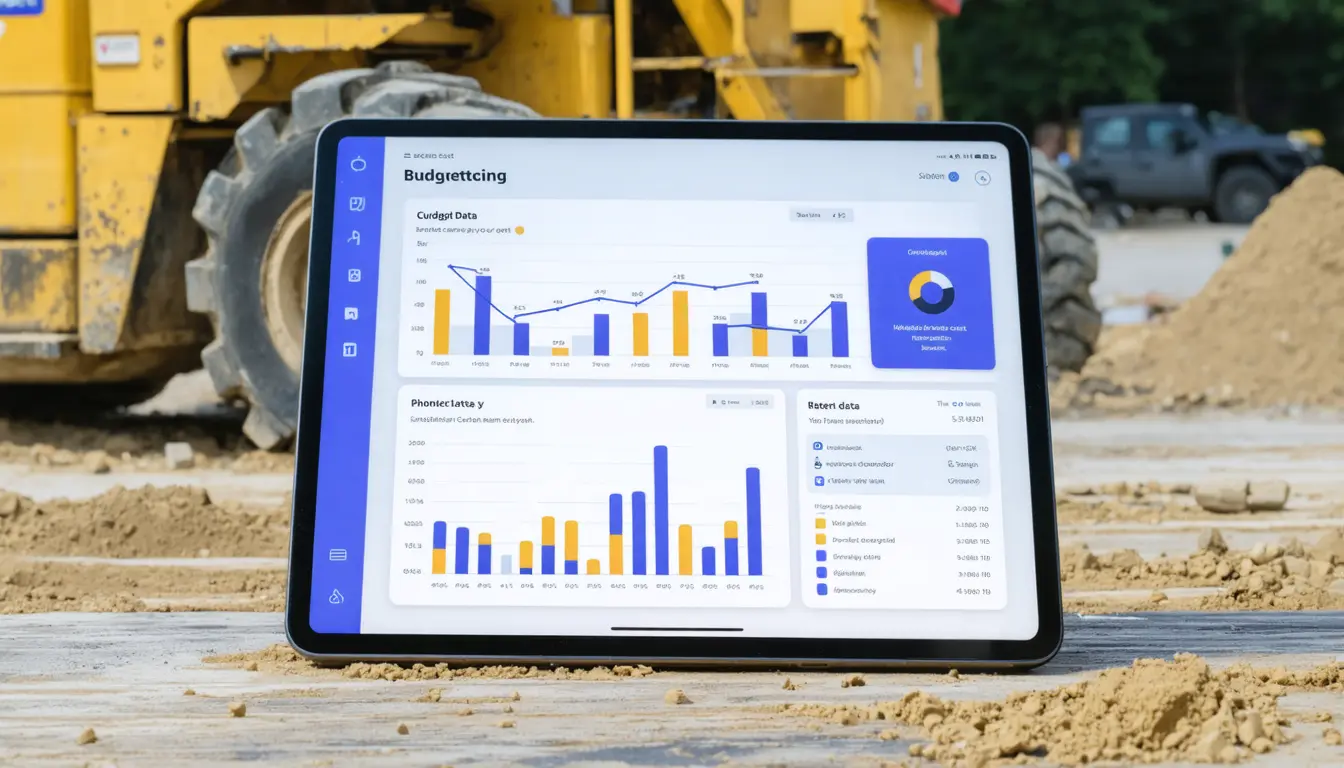
When selecting a budgeting tool for construction projects, it’s essential to focus on several key features that enhance accuracy and efficiency. A robust construction budgeting app UK should offer real-time tracking of expenses, allowing users to monitor project spending against the budget continuously. This feature enables project managers to identify potential overruns and make timely adjustments. Additionally, integration capabilities with other software systems, such as project management and accounting software, can streamline workflows and reduce data entry errors.
Another critical aspect is user-friendly reporting tools that provide detailed insights into financial performance. These reports can break down costs by category, offer forecasting options, and facilitate comparisons between estimated and actual expenses. Furthermore, tools that support collaborative budgeting processes can enhance communication among team members and stakeholders, ensuring everyone is on the same page regarding financial responsibilities.
Mobile accessibility is also a vital feature for construction budgeting tools, enabling users to access and update budget information on the go. This capability is particularly beneficial on-site, where changes often occur rapidly. Lastly, look for tools that include customizable templates and settings, allowing users to tailor the budget according to specific project needs and compliance requirements. These features collectively empower construction teams to manage their budgets more effectively, leading to improved financial outcomes and project success.
New in this topic: Why UK Electricians Use Digital Job Cards.
Detailed Comparison of Popular Tools
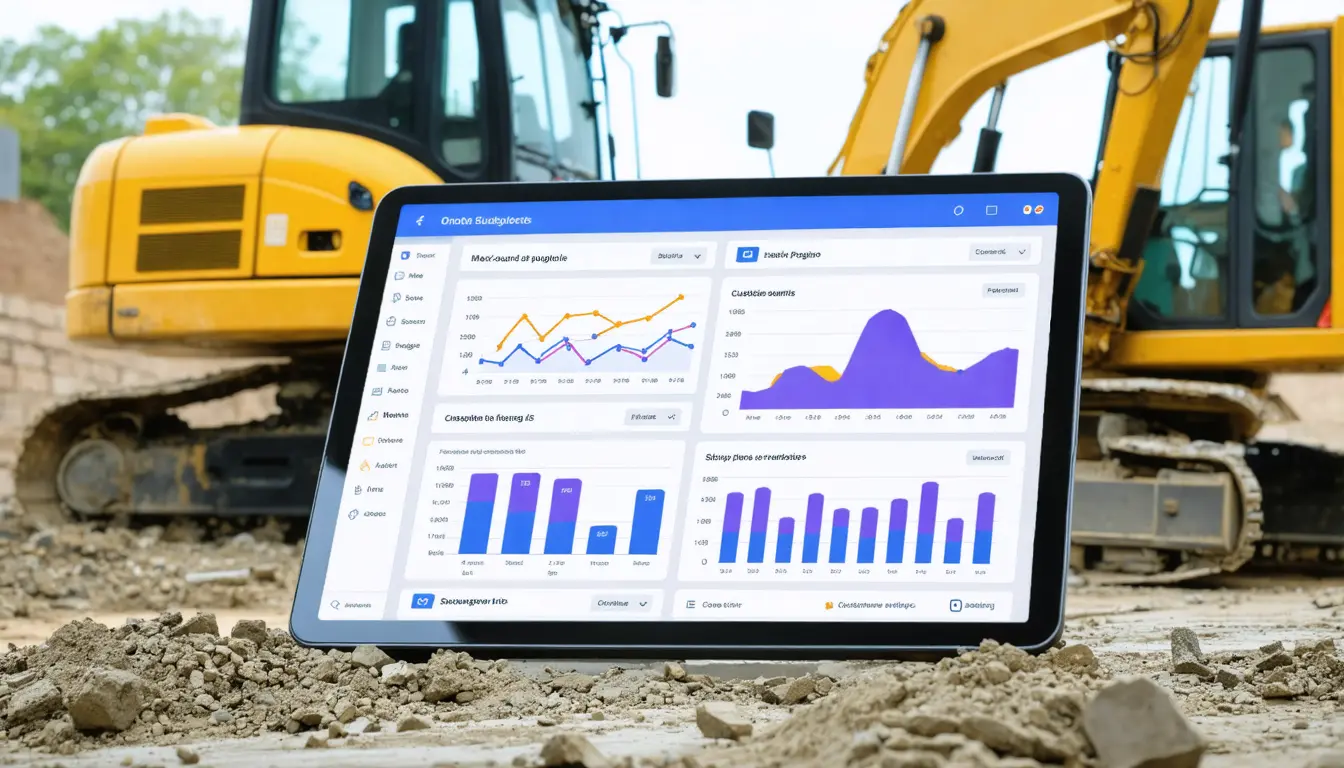
When comparing popular tools for construction budgeting, several options stand out, each offering unique features that cater to different project needs. First on the list is a well-known construction budgeting app UK that provides real-time expense tracking and integrates seamlessly with existing project management software. This tool allows users to create detailed financial reports, enabling easy analysis of budget forecasts versus actual spending. The intuitive interface caters to both seasoned financial professionals and those less experienced with budgeting software, making it accessible to all team members.
Another popular tool focuses on cloud-based solutions, providing the benefit of remote access from multiple devices. This feature is particularly advantageous for contractors and site managers who need to input expense data on the go. By utilizing this tool, teams can collaborate in real time, ensuring that all parties are updated on budgetary changes as they happen. Its robust reporting capabilities also allow for more granular insights, breaking down expenditures by project phase or subcontractor, which can be invaluable for tracking where funds are allocated most effectively.
Additionally, there’s a budgeting solution that specializes in compliance and auditing features. For construction firms that must adhere to strict regulatory requirements, this tool ensures that every expense is documented and verifiable. The built-in audit trails simplify the process of preparing financial statements and can prevent costly errors during inspections. Furthermore, this software includes forecasting models that utilize historical data to predict future budget needs, helping teams to plan more accurately for upcoming projects.
Finally, some tools are designed explicitly for larger enterprises, offering scalability that meets the demands of complex, multi-project environments. These advanced platforms feature customizable dashboards and extensive reporting options, allowing financial managers to gain insights across various projects simultaneously. The user community surrounding these tools often provides forums for troubleshooting and idea sharing, fostering innovation among users. Each of these tools presents unique advantages, making it essential for construction firms to assess their specific budgeting needs when selecting the right tool for their projects.

Benefits of Using Technology in Budgeting
Leveraging technology in budgeting processes offers numerous advantages that can significantly enhance efficiency and accuracy in construction projects. One of the most compelling benefits is the ability to automate tedious tasks, such as data entry and expense tracking. By minimizing manual input, teams can reduce the risk of human error, ensuring that financial data remains precise and reliable. Furthermore, advanced budgeting tools often incorporate features that provide real-time updates, allowing project managers to make informed decisions based on the most current financial information. This instantaneous visibility can be crucial in identifying budget overruns early, thereby enabling corrective measures to be implemented promptly.
Another notable advantage is the improved collaboration facilitated by cloud-based budgeting tools. By enabling access from various devices and locations, all team members—from field workers to office staff—can contribute to budget management. This transparency fosters communication and accountability as everyone involved can see how their actions impact the overall budget. Teams using a construction budgeting app UK can share insights and modifications swiftly, promoting a unified approach to financial management.
Moreover, technology enables sophisticated reporting and analytics capabilities that can illuminate patterns in spending and project performance over time. Users can generate detailed reports that highlight variances between estimated and actual costs, identify trends in resource usage, and forecast future financial needs. These insights can guide strategic planning and enhance the overall financial health of construction firms, ultimately leading to more successful project outcomes.
Integrating budgeting tools with other systems improves workflow efficiency. For example, connection with project management software allows for seamless data transfer and synchronization, reducing the need for duplicate entries and providing a holistic view of project costs alongside timelines and resources. This integration not only saves time but also enhances accuracy, as all information gets updated in real-time across platforms.
Lastly, utilizing technology in budgeting helps in maintaining compliance with industry standards and regulations. Many budgeting solutions feature built-in compliance checks that ensure all financial practices align with legal requirements. This capability is particularly significant in an industry as regulated as construction, where adherence to financial and contractual obligations is imperative. Overall, the benefits of incorporating technology into construction budgeting processes are substantial, leading to more streamlined, efficient, and effective project management.
Tips for Effective Budget Management

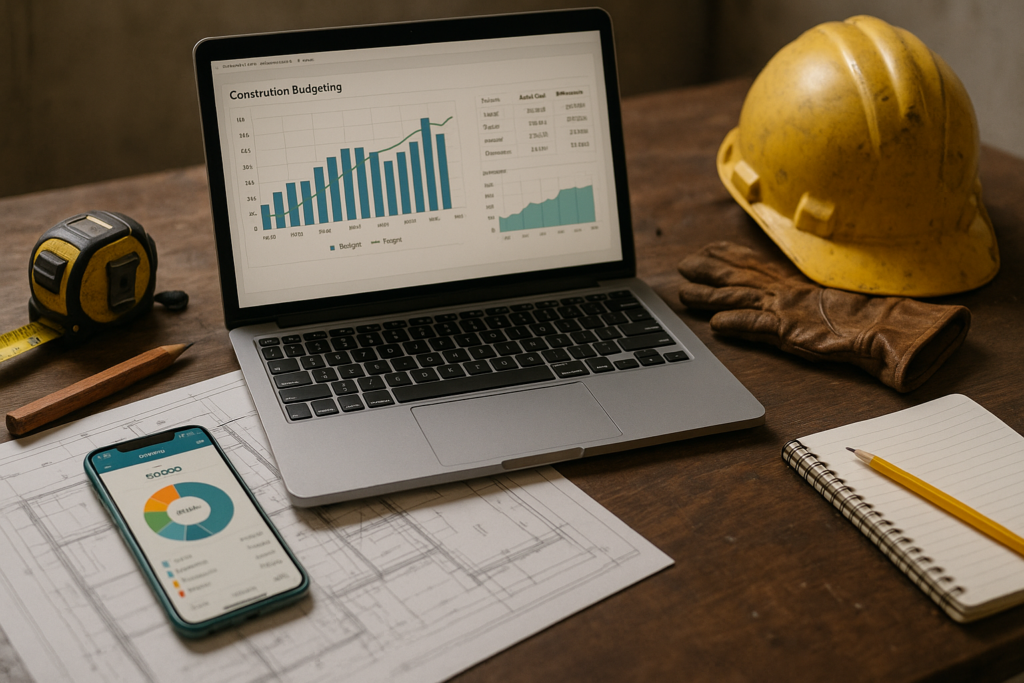
Effective budget management in construction requires disciplined practices and strategic approaches to ensure successful financial oversight. One of the foremost tips for achieving effective budget control is to establish a clear budgeting framework at the outset of the project. This framework should include well-defined goals, realistic timelines, and detailed cost estimates that account for every aspect of the project. When using a construction budgeting app UK, it becomes easier to input these baseline figures and monitor any deviations as the project progresses.
Regular monitoring and review of the budget are also critical. Setting up a schedule for reviewing financial reports allows project managers to compare projected costs against actual expenditures frequently. This practice not only helps in identifying trends and potential problems early but also supports making informed adjustments to keep the project on track. Utilizing the reporting functions within budgeting tools enables teams to generate timely insights that can direct necessary changes before minor issues escalate into significant budget overruns.
Another key tip is to foster open communication among all team members. Ensuring that everyone involved in the project, from management to field workers, understands the budget and their financial responsibilities encourages accountability and minimizes misunderstandings. When a construction budgeting app UK supports collaboration, it enhances this communication by allowing team members to share updates and adjustments in real-time, which ensures everyone is aligned with the current financial status of the project.
Implementing contingency planning is essential as well. Construction projects often face unexpected challenges that can impact the budget, such as delays due to weather or shifts in material costs. Therefore, setting aside a contingency fund that can be accessed when unforeseen expenses arise is a prudent practice. This buffer helps to maintain financial stability and reduces the stress associated with having to make cutbacks elsewhere in the budget.
Training and educating team members on using budgeting tools effectively is another useful practice. Familiarity with the features of a construction budgeting app UK can empower staff to contribute more effectively to budget management. Regular training sessions can help ensure that all team members are up-to-date with the latest functionalities, enabling them to maximize the tools available for tracking, forecasting, and reporting on the budget.
Keeping a detailed record of all financial transactions, including receipts and invoices, is crucial. Utilizing the document management features often integrated within budgeting software allows teams to organize and access financial documentation when needed easily. This thorough record-keeping not only aids in maintaining transparency but also ensures compliance during audits or reviews, ultimately contributing to more effective long-term budget management.
Real-Life Success Stories in Construction Budgeting
Real-life success stories in construction budgeting exemplify the practical benefits of utilizing modern budgeting tools. One notable example comes from a mid-sized construction firm in the UK that faced consistent challenges in managing project costs. Previously relying on traditional spreadsheets, the company often encountered issues with data accuracy and delayed reporting, which led to budget overruns on several projects. However, after implementing a construction budgeting app UK, they noticed a significant transformation in their financial management processes.
The new tool enabled real-time tracking of expenses, allowing project managers to update and monitor budget figures directly from the field. As a result, the firm was able to identify deviations from the budget almost instantly, empowering teams to take immediate corrective actions. For instance, during a large residential development project, unexpected increases in material costs threatened to derail the budget. With the app’s forecasting feature, project managers were able to analyze spending trends and adjust their procurement strategy, ultimately keeping the project within budget while maintaining quality standards.
Another compelling success story involves a large construction company that undertook a massive infrastructure project requiring meticulous budgeting across multiple phases. By using an advanced budgeting platform, they were able to integrate project management and accounting functionalities seamlessly. This integration fostered collaboration between teams, as field workers could easily upload expense reports and photographs of receipts directly into the system. Consequently, the company experienced a 30% reduction in administrative overhead, as the automation features minimized manual data entry and improved accuracy.
<pMoreover, the enhanced reporting capabilities of their budgeting tool allowed the financial team to generate detailed insights for stakeholders. By providing regular updates on budget performance compared to forecasts, they were able to maintain transparency and trust with clients, which ultimately led to repeat business and referrals. Success in this project not only solidified their reputation in the industry but also set a new standard for fiscal discipline within the organization.
<pThese real-life examples illustrate how the adoption of advanced budgeting tools can lead to substantial improvements in financial oversight, project delivery, and overall company profitability. Their experiences highlight the necessity of embracing technology in construction budgeting to navigate the complexities of modern construction projects effectively.


