






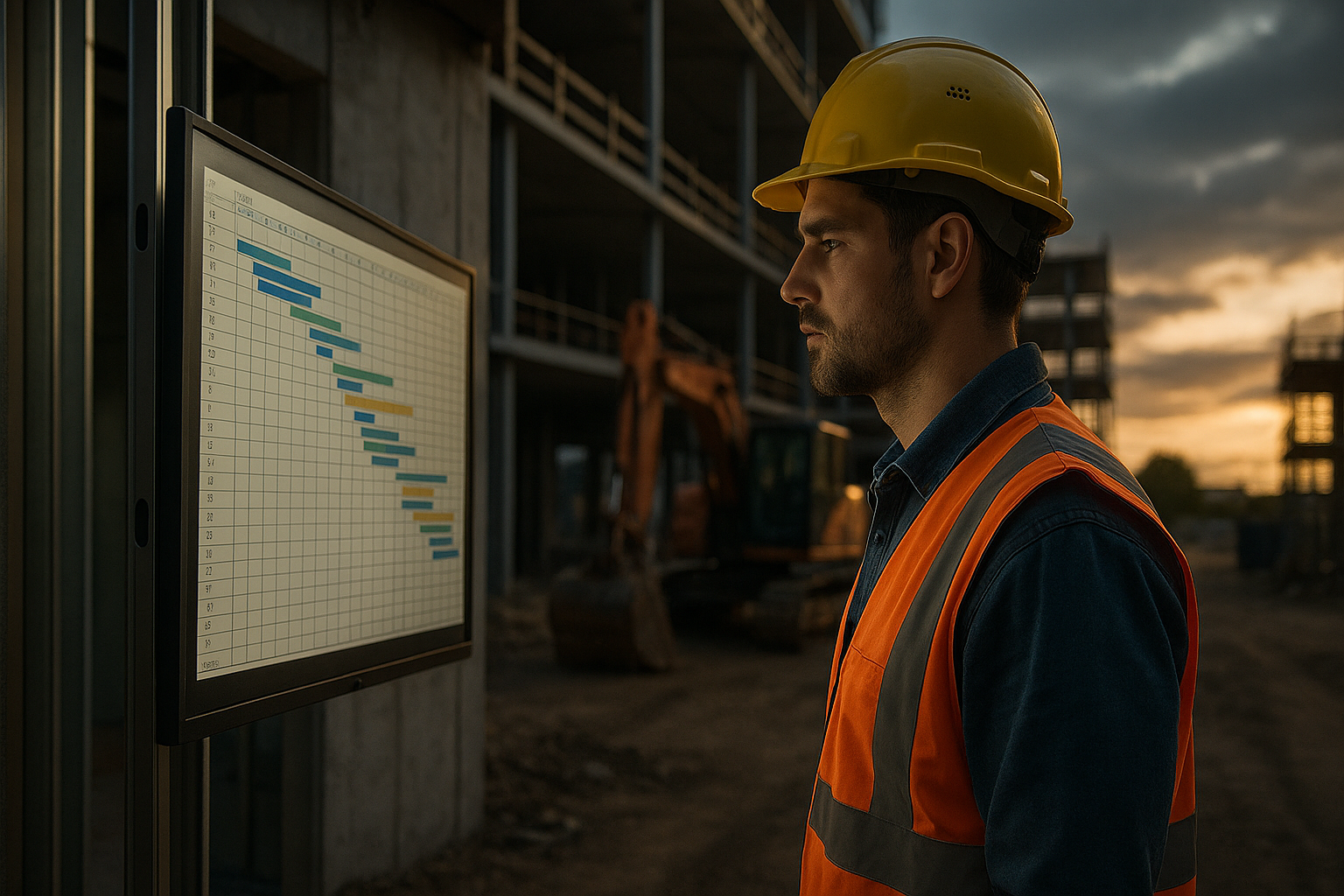

Why Partition Installers Need Visual Scheduling
Visual scheduling plays a crucial role in the efficiency and effectiveness of partition installers. It allows teams to allocate resources, track progress, and manage timelines more effectively. By utilizing partition fitting software UK, installers can represent complex tasks visually, making it easier for team members to understand their responsibilities and deadlines. This clarity reduces the likelihood of miscommunication and ensures that all members are aligned on the project goals.
New in this topic: How ConstruX Transforms Project Management for UK Tradesmen.
Moreover, visual scheduling enables a proactive approach to managing potential delays. By being able to see the status of various tasks at a glance, project managers can quickly identify bottlenecks and take corrective action before they escalate. This not only helps in meeting deadlines but also enhances customer satisfaction, as clients are kept informed of progress and any necessary adjustments to the timeline.
Additionally, visual scheduling can facilitate better decision-making. When information is laid out visually, it allows teams to assess options and make informed choices about resource allocation, timing, and task prioritization. This strategic advantage is essential in a competitive market where efficiency and responsiveness can significantly influence overall business performance.
Key Benefits of Visual Scheduling for Efficiency
One of the primary advantages of visual scheduling is its ability to boost overall efficiency in the dividing of installation tasks. With tools like partition fitting software UK, installers can create timelines that clearly outline every phase of the project, from preparation to completion. This visual layout aids in sequential planning, ensuring that resources are allocated effectively, and tasks are completed in an orderly fashion, minimizing downtime and maximizing productivity.
Visual scheduling also streamlines communication within teams. By employing visual aids such as Gantt charts or Kanban boards, all team members can quickly grasp the status of the project. This transparency fosters collaboration, as individuals are more aware of each other’s workloads and can adjust their efforts accordingly. When everyone knows what needs to be done and when, it encourages teamwork and helps eliminate redundancies, ensuring that tasks are completed on time without unnecessary overlap.
Furthermore, detailed visual schedules can enhance forecasting accuracy. Knowing how long specific tasks will take allows for more reliable project timelines. With partition fitting software UK, project managers can analyze past installation data to predict future project durations, leading to better planning and resource management. This predictive capability minimizes the risk of overcommitting or misallocating resources, ensuring that project goals are met efficiently.
Ultimately, integrating visual scheduling into partition installation workflows offers significant benefits that extend beyond mere project management. It enhances operational efficiency, improves communication, and allows for proactive problem-solving—all essential components in delivering successful installation projects efficiently and on budget.
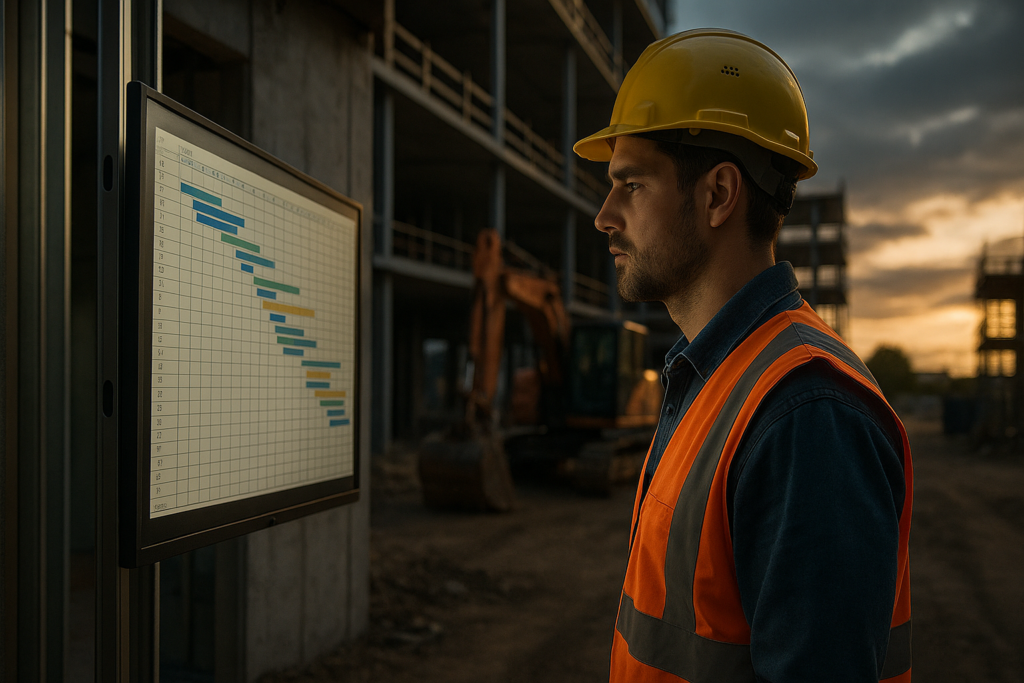
How Visual Scheduling Enhances Project Management
Effective project management is significantly enhanced through the use of visual scheduling, which empowers partition installers to maintain a clear overview of their projects. By incorporating visual scheduling, teams can better strategize their workflow, ensuring that each phase of the installation process is carefully monitored and adjusted as needed. Visualization aids in tracking dependencies and timelines, thereby making it easier to manage complex projects involving multiple tasks and stakeholders. This clarity not only streamlines the coordination of efforts among team members but also minimizes the risk of oversight that can occur in traditional scheduling methods.
Through the utilization of tools such as partition fitting software UK, teams can create visual representations of timelines and task progress. This dynamic display allows project managers to allocate resources judiciously, visualize workloads, and promptly adjust schedules in response to real-time changes. Given the multifaceted nature of partition installation, visual scheduling becomes an indispensable tool that translates into better accountability for individual responsibilities and deadlines.
The collaborative nature of visual scheduling also facilitates improved communication between team members and stakeholders. As everyone can access a centralized visual schedule, discussions become more focused and productive. For instance, during regular progress meetings, teams can reference the visual schedule to address specific issues quickly, ensuring that everyone remains aligned on goals and responsibilities. Such transparency is vital in building trust and fostering a cooperative atmosphere, which is beneficial when navigating the challenges typical in installation projects.
Moreover, visual scheduling enables project managers to anticipate and mitigate risks effectively. By observing potential overlaps or delays visually, they can preemptively implement solutions or reassign tasks to avoid any adverse impacts on project timelines. This proactive management style allows for greater flexibility, as schedules can be dynamically updated in response to emerging challenges, thus maintaining the pace of the project. Overall, the deployment of visual scheduling is transformative for project management, elevating the overall quality of outcome delivery in partition installation ventures.

Challenges Faced Without Visual Scheduling
Without visual scheduling, partition installers face a number of significant challenges that can hinder project efficiency and effectiveness. One primary issue is the risk of miscommunication among team members. In the absence of a clear visual representation of tasks and timelines, installers might struggle to understand their roles and responsibilities, leading to confusion and overlaps in work. This disorganization can cause critical information to be missed, resulting in delays and ultimately impacting project deadlines.
Additionally, the lack of visual scheduling complicates the prioritization of tasks. When teams cannot see the interdependencies and timelines laid out in a structured manner, it becomes difficult to identify which tasks need immediate attention and which can be deferred. This issue can be particularly pronounced in complex projects that involve multiple simultaneous installations, where understanding the sequence of tasks is pivotal for maintaining progress. The failure to prioritize properly can not only slow down installation timelines but also increase the overall cost of the project due to inefficiencies.
Moreover, without visual scheduling tools, project managers may struggle to forecast project durations accurately. Without the insights provided by historical data and visual layouts, there is a heightened risk of overcommitting to timelines that are unrealistic. This can lead to resource misallocation, with teams either stretched too thin or ineffective because they have too much downtime. Such mismanagement ultimately affects the quality of work delivered and can harm customer satisfaction.
Another significant challenge is the inability to react promptly to changes in project scope or unexpected obstacles. Visual scheduling allows teams to see the status of various tasks instantly, enabling quick adjustments when issues arise. Without this capability, project managers might find themselves reactive rather than proactive, scrambling to address problems as they occur rather than anticipating them in advance. This lack of foresight can exacerbate delays and complicate logistics, leading to disrupted workflows and increased stress for the team.
The absence of visual scheduling impairs collaboration and teamwork. When team members are not on the same page due to a lack of clarity, it can create silos within the installation process. The result is often a less cohesive effort where individuals may be unaware of each other’s workloads, leading to inefficiencies and reduced morale. By contrast, the implementation of partition fitting software UK that incorporates visual scheduling can bridge these gaps, fostering a culture of cooperation and shared accountability among the team.
Future Trends in Partition Installation and Scheduling
As the industry evolves, future trends in partition installation and scheduling are shaping a landscape in which visual scheduling becomes even more pivotal. One emerging trend is the integration of advanced technologies, such as artificial intelligence and machine learning, into partition fitting software UK. These technologies can analyze vast amounts of data to provide predictive analytics, helping project managers forecast potential delays and optimize resource allocation more effectively. By leveraging such insights, installers can better anticipate project challenges and enhance their overall planning strategies.
Another significant trend is the growing emphasis on modular construction techniques. This approach often requires precise coordination of various components and timelines, making visual scheduling an essential tool for managing the complexities involved. As modular construction continues to gain traction in the partition installation sector, the effectiveness of visual scheduling will be paramount in ensuring that all parts fit seamlessly within the overall project framework. The ability to visualize modular components and their interdependencies will help teams reduce errors and streamline workflows, ultimately leading to faster completion times.
Furthermore, the rise of remote work and digital collaboration tools is influencing how teams approach partition installation scheduling. With teams often dispersed across various locations, having a shared visual schedule becomes critical for maintaining effective communication and collaboration. Partition fitting software UK that incorporates cloud-based features will enable real-time updates and access for all stakeholders, ensuring that everyone remains aligned despite geographical barriers. This trend not only enhances transparency but also accelerates decision-making processes, as team members can coordinate activities more efficiently.
Sustainability is another trend impacting partition installation and scheduling. As the industry moves toward greener practices, visual scheduling can support sustainable resource management by allowing teams to track and optimize their usage of materials and time. By fostering an eco-friendly approach to installation, organizations can not only reduce waste but also enhance their market competitiveness. Incorporating sustainability metrics into visual scheduling tools will help installers maintain a focus on environmental impact while achieving project goals.
The future of partition installation relies heavily on the integration of visual scheduling supported by advancements in technology and collaboration methods. Emphasizing data-driven insights, modular construction, remote teamwork, and sustainability will ensure that the partition installation process becomes more efficient, transparent, and responsive to the demands of clients. As these trends continue to evolve, the role of visual scheduling will be more critical than ever in shaping a successful path forward for the industry.


