








Why UK Contractors Need Real Time Project Visibility
real time project visibility is essential for successful project delivery in the construction industry. For UK contractors, having access to up-to-the-minute data allows for better decision-making, resource allocation, and risk management. When project stakeholders can see the current status of tasks, budgets, and timelines, it diminishes the likelihood of miscommunication and ensures that everyone is on the same page. Implementing construction project management software UK can significantly enhance visibility by providing a centralized platform for tracking progress and performance metrics. This increased transparency not only helps in identifying potential issues before they escalate but also fosters accountability among team members, leading to improved collaboration and efficiency.
New in this topic: Local Electricians Improve Customer Satisfaction With Fast Quotes.
Challenges Faced by UK Contractors
UK contractors face a myriad of challenges that can hinder project efficiency and success. One prominent issue is the lack of real-time data, which can lead to delayed decision-making and incorrect assumptions about project status. Many contractors still rely on outdated methods of communication and reporting, resulting in misalignment among teams and stakeholders. Additionally, the increasing complexity of construction projects adds another layer of difficulty; as projects become more intricate, the need for precise coordination among various teams, subcontractors, and suppliers becomes paramount.
Furthermore, resource management is a critical challenge. In an industry where labor and materials often fluctuate in availability, having an accurate understanding of resource allocation is essential. Delayed visibility into resource usage can cause significant project delays or cost overruns. Many contractors find it hard to maintain an up-to-date overview of labor hours, material supplies, and equipment availability, leading to inefficiencies and potential project bottlenecks.
Another challenge is the integration of technology within existing workflows. While construction project management software UK could provide much-needed visibility, adoption can be slow due to resistance from team members who are accustomed to traditional processes. Furthermore, training staff on new technologies requires time and investment, which may discourage stakeholders from pursuing these necessary advancements. Inadequate training can also lead to underutilization of systems designed to improve project visibility.
Lastly, regulatory compliance and safety requirements present ongoing hurdles. UK contractors must navigate an array of regulations while ensuring that project visibility includes adherence to safety standards. Failure to maintain compliance can result in costly fines and project delays, further complicating the contractor’s ability to deliver on time and within budget. Addressing these challenges requires a strategic approach that emphasizes the need for real-time project visibility through effective tools and processes.

Benefits of Implementing Real Time Systems
Implementing real-time systems offers a multitude of benefits that can transform the way UK contractors manage their projects. First and foremost, real-time visibility facilitates proactive decision-making. With instant access to up-to-date information regarding project status, contractors can quickly identify any deviations from the plan—be it delays in timelines or overspending on budgets. This helps in swiftly addressing issues before they develop into larger problems, minimizing disruptions and cost overruns and enabling projects to stay on track.
Furthermore, real-time systems enhance communication and collaboration among project stakeholders. When all team members are privy to the same information, it creates a culture of transparency and accountability. This improved communication reduces the chances of misunderstandings that can arise from misinterpretations of outdated reports. As team members are more aligned, handoffs between different phases of a project occur more smoothly, reducing idle time and boosting productivity.
Another significant advantage of adopting real-time systems is the improved resource management they provide. Contractors can track the availability and usage of materials, machinery, and workforce in real time, enabling them to allocate resources more efficiently. Construction project management software UK integrates these functionalities, allowing for the planning and tracking of resources in a way that is responsive to changing project demands. When resources can be monitored closely, it becomes possible to make adjustments on the fly, ensuring that all aspects of a project are coordinated effectively.
Moreover, real-time visibility plays a crucial role in data-driven construction. The insights gained from real-time analytics allow contractors to evaluate project performance and make informed decisions based on concrete data rather than assumptions. This use of data to drive strategic choices can lead to continuous improvement in project execution and outcomes, as contractors learn from past experiences and adapt their approaches accordingly.
Lastly, implementing real-time systems fosters a culture of safety within construction sites. With constant visibility into work practices and compliance with safety regulations, contractors can better monitor adherence to safety protocols and quickly address any safety issues. This not only protects workers but also enhances the contractor’s reputation and trust in the industry, further contributing to long-term success.
Key Technologies for Project Visibility
To achieve effective project visibility, UK contractors can leverage several key technologies that enhance real-time data collection and dissemination. One of the most impactful tools in this endeavor is construction project management software UK. This platform allows contractors to integrate various functionalities into a single interface, making it easier to track progress, manage resources, and communicate with team members. These software solutions often include features such as scheduling tools, budget tracking, and document management, creating a streamlined approach to project oversight.
Another significant technology enhancing project visibility is cloud-based solutions. By storing data in the cloud, teams can access critical information from anywhere, facilitating remote collaboration and ensuring that everyone operates with the most current data. This accessibility helps in maintaining coordination across different sites, especially as construction projects often involve multiple locations working in tandem. Mobile applications that accompany cloud solutions further empower field workers to report progress in real time, effectively linking the job site with project managers who can respond to issues as they arise.
Moreover, the use of Internet of Things (IoT) devices can significantly boost visibility on construction sites. Sensors can be deployed on equipment and materials to monitor usage and conditions, providing insights that traditional methods may overlook. For instance, tracking the location of heavy machinery or the condition of sensitive materials can help ensure that resources are used efficiently and safely. The data collected through IoT technologies can be integrated into construction project management software UK, enhancing the overall visibility and control contractors have over their projects.
Building Information Modeling (BIM) is another transformative technology that UK contractors can utilize for greater project visibility. BIM allows teams to create comprehensive digital representations of physical and functional characteristics of a project. This not only helps in planning and visualization but also allows stakeholders to identify potential challenges in the design phase before construction begins. By aligning all parties around a shared model, BIM facilitates clearer communication and can help mitigate misunderstandings before they manifest on the job site.
Lastly, analytics tools play a vital role in improving project visibility. By analyzing historical data, contractors can forecast future performance more accurately. These predictive analytics can help identify trends and potential risks, enabling proactive mitigation strategies. Integrating analytics with construction project management software UK brings about a synergy that enhances decision-making processes and overall project outcomes, driving efficiency and effectiveness in every phase of construction.
Strategies for Achieving Effective Monitoring
Achieving effective monitoring in construction projects requires a strategic approach that combines technology, processes, and best practices. One of the fundamental steps is to establish clear objectives and key performance indicators (KPIs) that align with project goals. By identifying what constitutes success early on, contractors can create a framework for monitoring project progress effectively. These KPIs should cover a range of metrics, including schedule adherence, budget compliance, and resource utilization, allowing project managers to assess performance comprehensively.
Additionally, regular check-ins and updates among team members can enhance monitoring efforts. Scheduled meetings can serve as an opportunity for all stakeholders to share insights, discuss challenges, and celebrate milestones. Incorporating a routine of daily or weekly stand-ups ensures that everyone remains informed about the project’s status, enabling rapid responses to emerging issues. This emphasis on communication helps to foster a collaborative environment where information is shared freely, and team members feel empowered to contribute to problem-solving initiatives.
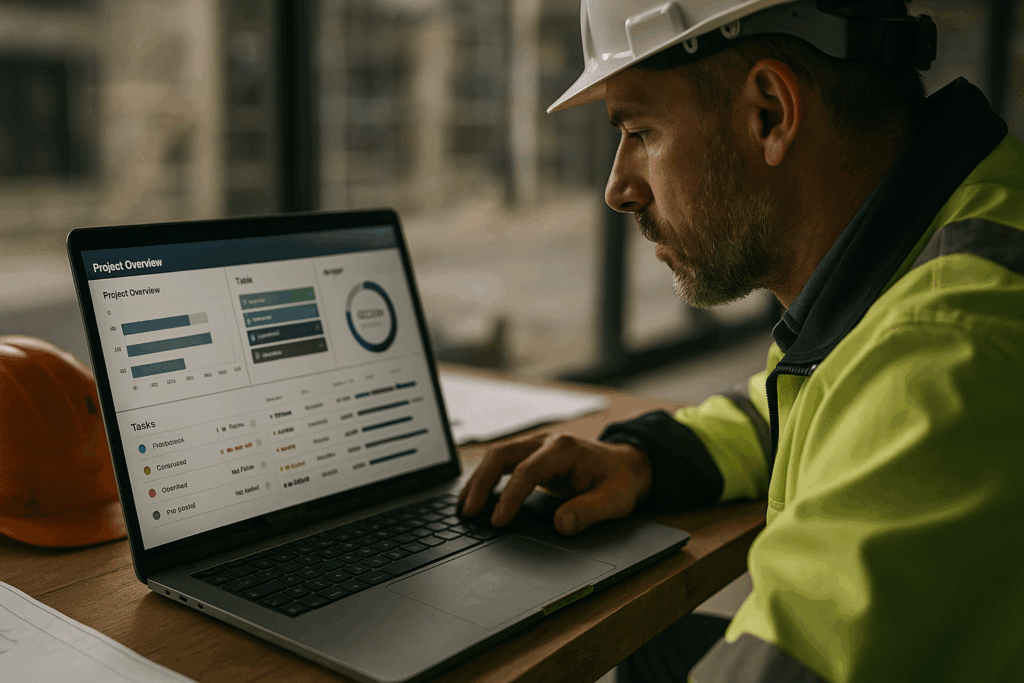
Furthermore, the integration of construction project management software UK is crucial for effective monitoring. Such software provides robust dashboards that visualize data, making it easier to track progress against established KPIs in real time. With features like reporting tools and alerts, contractors can receive instant notifications regarding any deviations from the plan. This immediacy allows for timely interventions, ensuring that corrective actions are implemented promptly to keep the project on track.
Leveraging mobile technology can significantly enhance on-site monitoring capabilities as well. Field workers equipped with mobile devices can update project progress directly from the job site, providing project managers with real-time insights. This access to instant feedback not only bolsters communication but also ensures that discrepancies are addressed without delay. Moreover, mobile applications can streamline the documentation process, capturing important information about resource usage, safety compliance, and quality control directly from the construction site.
Lastly, adopting a continuous improvement mindset is vital for effective monitoring. By conducting regular reviews and evaluations of project performance, contractors can identify areas for enhancement and adjust strategies accordingly. This reflective practice encourages teams to learn from their experiences and apply those lessons to future projects, enhancing overall operational efficiency. As a result, ongoing monitoring becomes a vital element of a contractor’s success strategy, paving the way for improved outcomes and successful project delivery.


