







Why UK Electricians Use Digital Job Cards
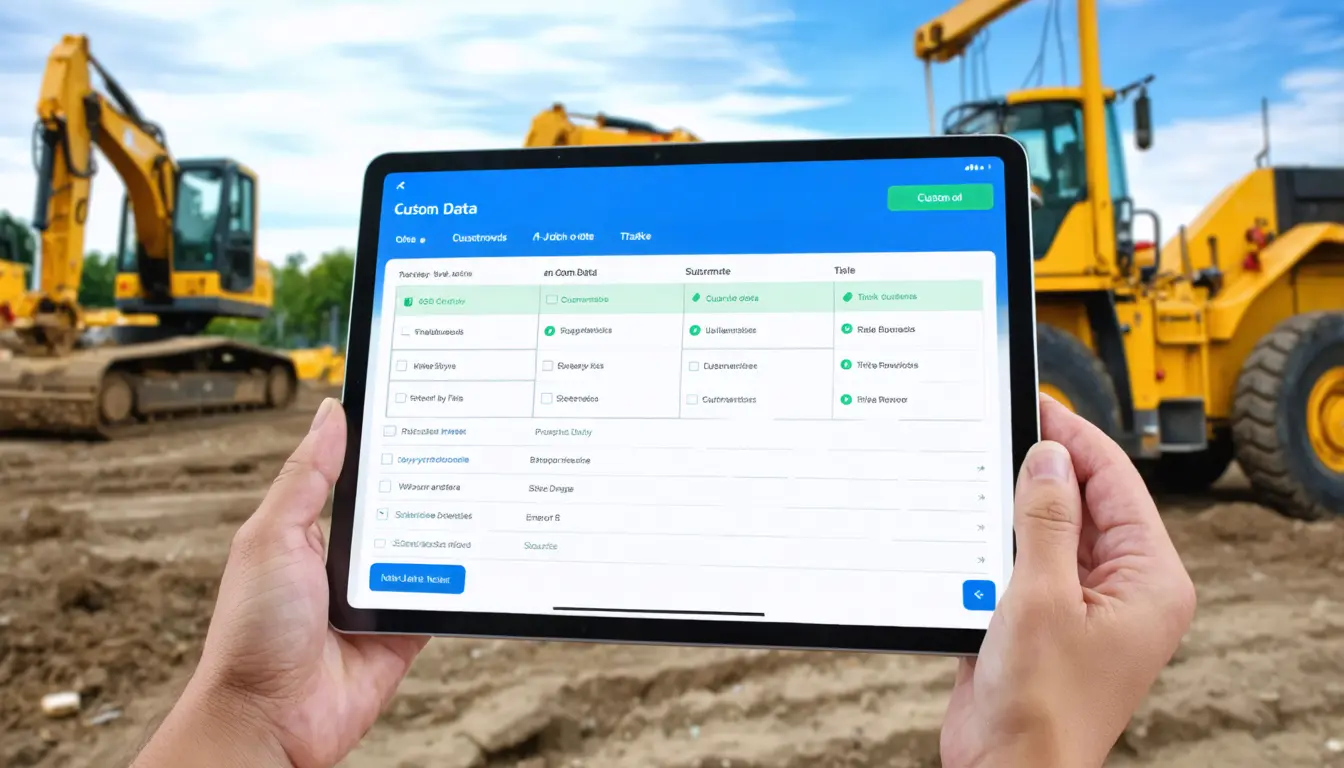
digital job cards offer a multitude of advantages for electricians, transforming the way they manage their daily tasks and enhance their service delivery. One of the most significant benefits is the ability to streamline workflows. With electrical contractor software UK, electricians can easily access job details, schedules, and customer information from a single platform. This not only saves time but also reduces the likelihood of miscommunication and lost paperwork, which can often lead to delays in project completion.
New in this topic: Electricians Use Mapping Tools for Efficient Routing.
Additionally, digital job cards support a more organized approach to task management. Electricians can prioritize jobs based on urgency, allocate resources efficiently, and track job progress in real-time. This level of organization not only optimizes the workflow but also allows electricians to maintain a high standard of service, further enhancing client satisfaction.
Moreover, the use of digital job cards aligns with modern business practices, making it easier for electricians to keep records, monitor their performance, and analyze trends over time. This data-driven approach can lead to better business decisions, enabling electrical contractors to identify areas for improvement and adapt their services to meet client needs effectively.
Streamlining Workflows and Improving Efficiency
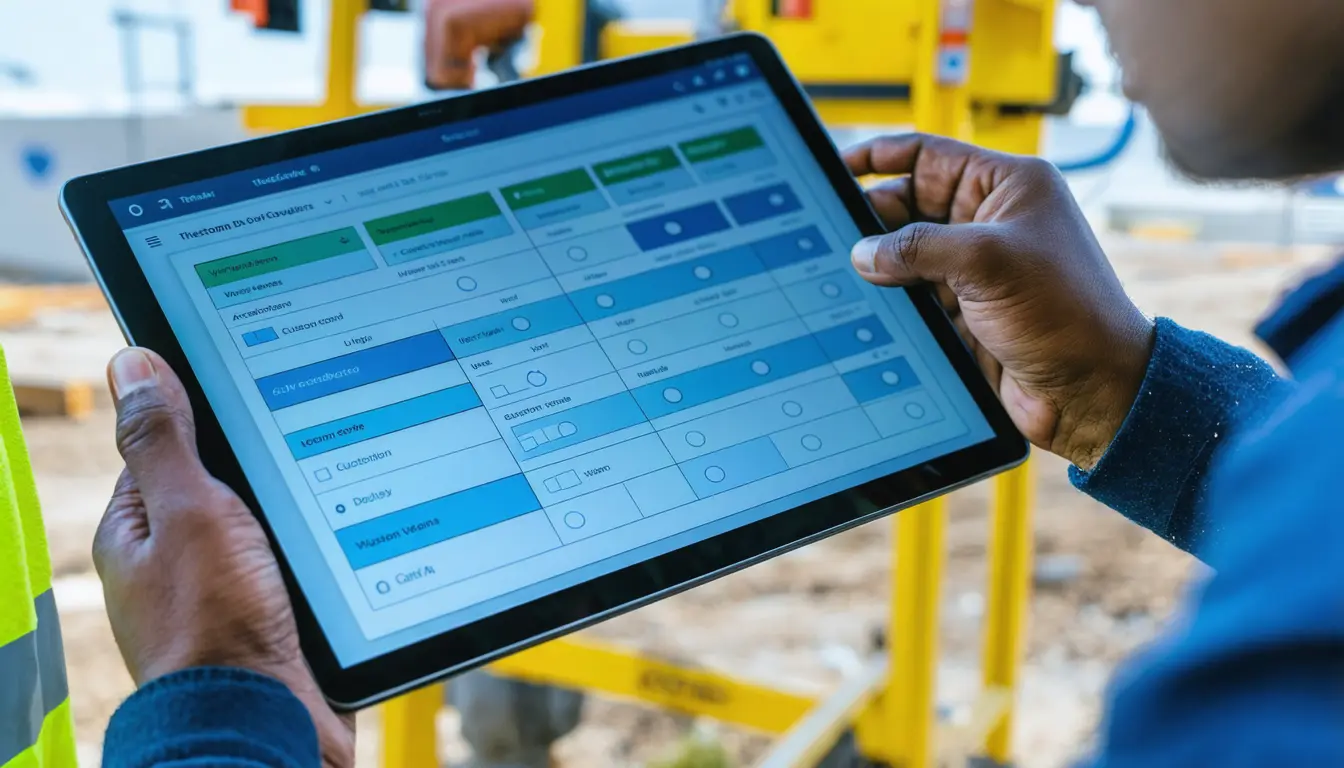
The incorporation of digital job cards significantly streamlines workflows for electricians, enabling them to work more efficiently and effectively. By using electrical contractor software UK, electricians can eliminate inefficiencies that often accompany traditional paper-based systems. Tasks such as job scheduling, resource allocation, and status updates can be managed effortlessly through the software, allowing electricians to focus on what they do best — their craft.
With real-time updates and notifications, electricians can promptly respond to changes or urgent requests from clients, reducing downtime and enhancing overall productivity. This immediacy translates into quicker response times and improved job completion rates, ultimately leading to a more responsive and customer-centric service.
Digital job cards also provide electricians with a centralized location for all job-related information. This centralization minimizes the risk of information fragmentation, ensuring that all team members have access to the same accurate and up-to-date data. As a result, collaboration among team members is more effective, reducing misunderstandings and improving alignment on project goals.
Furthermore, the ability to track jobs in real-time allows for better resource management. Electricians can monitor labor and material costs more closely, ensuring that they stay within budget and that projects progress as planned. This financial oversight not only benefits individual jobs but also contributes to the sustained profitability of the business as a whole.

Enhanced Communication with Clients
Effective communication with clients is a cornerstone of successful electrical services, and digital job cards significantly enhance this aspect. By integrating electrical contractor software UK, electricians can communicate with their clients seamlessly and efficiently. Digital job cards enable electricians to send real-time updates, share important job details, and provide clients with a clear overview of project timelines and deliverables. This transparency fosters a stronger trust relationship between electricians and their clients, as customers feel informed and engaged throughout the process.
Moreover, digital platforms often come equipped with features that allow clients to directly review and approve work. Whether it’s signing off on job completions or accessing service histories, clients can have a say in their projects, thereby increasing their satisfaction. This direct line of communication not only empowers clients but also reduces the likelihood of misunderstandings or disputes arising from lack of information.
The interactive nature of digital job cards also facilitates quicker feedback loops. Clients can easily reach out to electricians with questions or concerns, and electricians can respond promptly, keeping conversations fluid and productive. This immediate communication can be pivotal in identifying issues before they escalate, ensuring that projects stay on track and in line with client expectations.
Additionally, the documentation capabilities of digital job cards serve as an invaluable resource for client interactions. All communications, agreements, and revisions can be logged within the software, providing both parties with a clear record of what has been discussed and agreed upon. This level of documentation helps avoid potential disputes and enhances accountability on both sides.
Furthermore, many digital job card systems integrate customer feedback mechanisms, allowing clients to rate the service they received and offer suggestions for improvement. This not only demonstrates an electrician’s commitment to customer satisfaction but also provides vital insights that can be used to enhance service delivery in the future.

Reducing Errors and Improving Accuracy
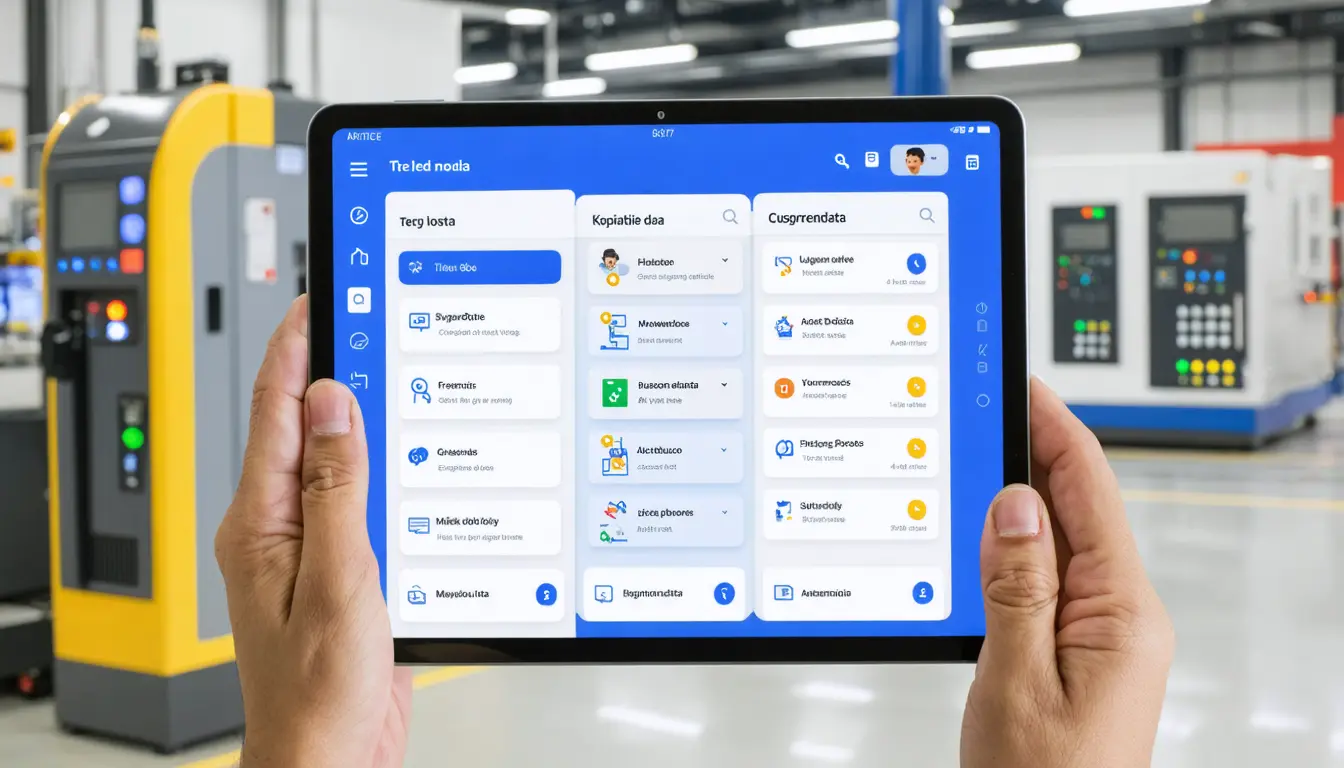
Reducing errors and improving accuracy is critical for electricians, and digital job cards play a vital role in achieving this objective. The reliance on traditional paper methods often introduces human errors such as miswritten notes, overlooked details, or misplaced documents. By utilizing electrical contractor software UK, electricians can significantly mitigate these risks, as digital records automatically capture job specifications and client requests accurately.
Digital job cards eliminate the potential for ambiguity in communication. With features such as drop-down menus for selecting tasks, standard templates for common job types, and options for uploading images or diagrams, electricians can ensure that all nuances of a job are meticulously documented. This clarity helps ensure that all team members are on the same page regarding project requirements and client expectations.
Real-time data entry further enhances accuracy, allowing electricians to input information directly during the job instead of relying on memory or taking notes that may be forgotten later. This instant recording of data helps prevent the common problem of miscommunication that can lead to costly errors, such as incorrect material orders or improper installations. By having precise information readily available, electricians can work more confidently and effectively, resulting in higher-quality outcomes.
Furthermore, the analytics features included in many digital job card systems allow electricians to regularly review their performance and identify patterns of errors. By analyzing past jobs, electricians can pinpoint recurring issues that lead to mistakes, facilitating targeted training or technique adjustments. This data-driven approach not only reduces errors but also fosters a culture of continuous improvement within the organization.
The implementation of digital job cards also enhances compliance with industry regulations and safety protocols. By having a centralized system for all documentation, electricians can better ensure they are adhering to relevant guidelines and standards. Digital job cards can flag required inspections or documentation that needs to be completed, thus supporting electricians in maintaining high operational standards.
The move to digital job cards and electrical contractor software UK not only improves accuracy but also establishes a foundation for greater reliability in service delivery. This reduction in errors ultimately leads to increased client satisfaction and trust, making it a necessary tool for modern electricians looking to elevate their professional standards.
Future Trends in Digitization for Electrical Services
The future of digitization in the electrical services sector is poised to evolve significantly, driven by advancements in technology and an increasing demand for efficiency. One notable trend is the integration of artificial intelligence into electrical contractor software UK. AI can analyze vast amounts of data from previous jobs, allowing electricians to optimize their operations and make predictive decisions. This predictive analytics will enable electricians to anticipate client needs, schedule maintenance proactively, and allocate resources more effectively, resulting in enhanced service delivery and customer satisfaction.
Moreover, as more electricians begin to adopt digital job cards, the emphasis on data security and privacy will likely intensify. Implementing robust cybersecurity measures will be crucial to protect sensitive client information and maintain trust. Electrical contractor software UK providers will need to ensure that their platforms are equipped with advanced security protocols to safeguard against potential breaches, thus providing peace of mind for both electricians and their clients.
Another emerging trend is the increased use of mobile applications for field service management. With the rise of smartphones and tablets, electricians will have the capability to manage their job cards on-the-go. This mobile access will facilitate real-time updates, immediate communication with clients, and easy access to job specifications, all from the job site. The convenience offered by mobile solutions is likely to accelerate the adoption of digital job cards across the industry.
Furthermore, the integration of IoT (Internet of Things) technology into electrical services is set to revolutionize how electricians approach their work. Through connected devices and smart systems, electricians can gather data on energy usage and equipment performance, providing invaluable insights that can inform their services. This data can lead to not only more efficient installations but also the development of predictive maintenance strategies that minimize downtime for clients.
Lastly, enhancements in collaboration tools within digital job card systems will foster greater teamwork among electricians, contractors, and clients. Features that enable shared access to job dashboards and real-time progress tracking will ensure all stakeholders are aligned throughout the project lifecycle. This collaborative approach will not only streamline workflows but also promote accountability and transparency, reinforcing the benefits of digitization in the electrical services industry.


