








Why UK Plumbers Need Better Scheduling Tools
Efficient scheduling is crucial for plumbers as it directly impacts their ability to serve customers effectively and manage their workloads efficiently. Proper scheduling minimizes downtime, maximizes productivity, and enhances customer satisfaction by ensuring timely responses to service calls. In the competitive landscape of the plumbing industry, having a well-organized schedule allows plumbers to allocate their time and resources better, ultimately leading to increased revenue. Moreover, with the rise of plumbing business management software UK, plumbers can streamline their operations by automating scheduling processes, reducing the likelihood of overlaps and missed appointments. This improved efficiency not only helps plumbers manage their day-to-day tasks but also contributes to long-term business growth through better customer relationships and repeat business.
New in this topic: Top 8 Tools for Accurate Budgeting in Construction.
Challenges faced by plumbers in current scheduling
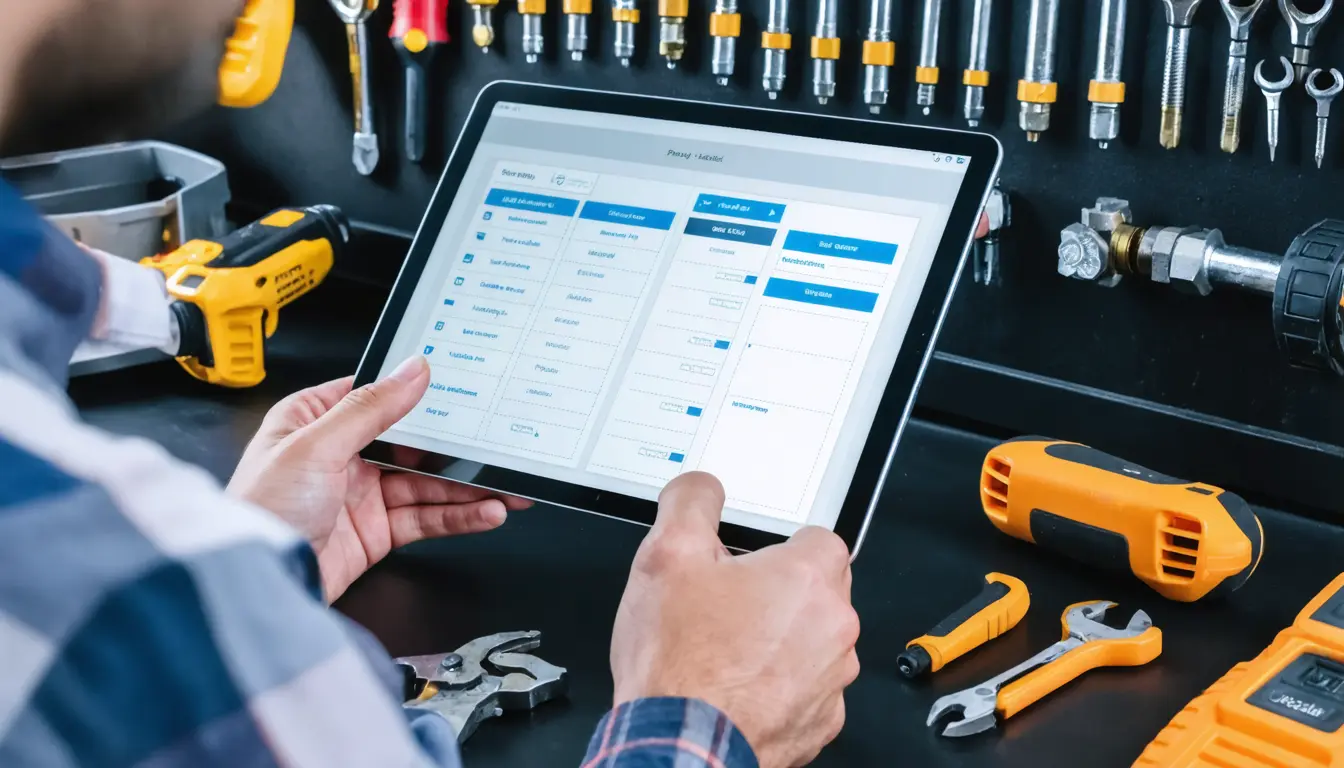
The current scheduling systems many plumbers use often lead to various challenges that hinder operational efficiency. One of the primary issues is the reliance on manual processes, such as pen and paper or outdated software, which can result in inaccuracies and delays. These methods are prone to human error, like double bookings or missed appointments, creating frustration for both the plumber and the customer. Another significant challenge is communication; without an integrated system, coordinating with team members or notifying customers about schedule changes becomes cumbersome and time-consuming.
Additionally, many plumbers struggle with last-minute job requests that throw off their pre-planned schedules. When emergencies arise, it can be difficult to reallocate resources quickly without a clear view of all appointments. This lack of flexibility can lead to dissatisfied customers who may seek services elsewhere. Furthermore, the inability to easily track and manage ongoing projects contributes to disorganization, often resulting in missed deadlines and costs associated with inefficiencies.
Another pressing concern is the limited visibility into the overall workload and employee availability. Without the right tools, plumbers may find it challenging to balance their team’s schedules effectively, leading to unequal distribution of work and burnout among staff. The challenges are compounded when plumbing businesses need to factor in geographical locations and travel times, often complicating the scheduling process further.
To overcome these obstacles, many plumbing businesses are now recognizing the need for more sophisticated solutions. The integration of plumbing business management software UK can substantially enhance scheduling efficiency, but the transition from traditional methods is not without its hurdles. Adoption of new technology may require training, which can initially be a barrier for some. However, addressing these challenges with the right scheduling tools can significantly improve a plumbing service’s operations and ultimately result in happier clients and more successful business outcomes.

Benefits of improved scheduling tools
Improved scheduling tools offer a myriad of benefits for plumbers, fundamentally transforming how they manage their operations. One of the most significant advantages is the ability to automate scheduling processes, which drastically reduces the chances of human errors like double bookings or missed appointments. With plumbing business management software UK, plumbers can easily manage their calendars, allowing for seamless adjustments and real-time updates that enhance efficiency. This automation not only saves time but also significantly reduces the stress associated with manually managing schedules.
Another benefit is increased visibility into the technician’s daily workloads and upcoming appointments, enabling better resource management. With a clear overview, plumbers can allocate jobs based on skill sets and availability, ensuring that each team member’s strengths are utilized effectively. Moreover, improved scheduling tools often come with features that allow for easy integration with other systems, such as invoicing and customer relationship management, creating a comprehensive solution that streamlines multiple facets of the plumbing business.
Additionally, enhanced scheduling tools can improve customer satisfaction. With features such as automated reminders and the ability to easily reschedule appointments, customers appreciate the proactive communication and reduced wait times for service. Happy customers are more likely to recommend services to others and return for future needs, which translates into increased revenue. Furthermore, many advanced scheduling tools provide insights and analytics that help plumbers assess their performance, identify peak busy times, and tailor their services accordingly to better meet customer demands.
Cost-effectiveness is another key benefit. While there may be upfront costs associated with transitioning to a new scheduling system, the long-term savings through improved scheduling efficiency, reduced admin time, and enhanced customer retention can far outweigh these initial investments. In essence, better scheduling tools enable plumbers to serve more clients in less time without compromising on quality, leading to overall business growth and success.

Features to look for in scheduling software

When evaluating scheduling software for plumbing businesses, there are several essential features to consider that can significantly enhance efficiency. First and foremost, the software should provide a user-friendly interface that allows plumbers to easily navigate and manage their schedules. This ease of use is crucial for minimizing training time and ensuring that all team members can effectively utilize the system, regardless of their technical proficiency.
Another critical feature is real-time scheduling capabilities. This allows plumbers to make instant updates to their calendars when new jobs come in or when emergencies arise, ensuring that every team member is on the same page. The software should also offer mobile access, enabling technicians to view their schedules on-the-go and communicate any changes directly from their smartphones. This mobility promotes flexibility and enhances the ability to respond quickly to customer needs.
Automation features are also vital. Look for software that can automate appointment reminders for both plumbers and customers, reducing the likelihood of missed appointments. This functionality not only streamlines the scheduling process but also fosters better communication with clients, ultimately enhancing customer satisfaction.
Integration with other tools is another essential consideration. Plumbing business management software UK that can seamlessly link with existing tools such as invoicing, customer relationship management (CRM), and accounting systems can provide a comprehensive approach to managing the business. Such integration helps to centralize information, making it easier to access and manage different aspects of the plumbing business.
Additionally, robust reporting and analytics capabilities are important in scheduling software. By providing insights into technician performance, job completion times, and customer feedback, plumbers can identify trends and areas for improvement. This data-driven approach allows for better decision-making, enabling plumbing businesses to optimize their workforce and enhance service delivery over time.
Lastly, flexibility in scheduling options is crucial. Ideal software should offer features that accommodate not only standard appointments but also emergency calls and varying job durations. This adaptability is essential for plumbing businesses that often face unpredictable situations and require agile solutions to meet customer demands effectively. By prioritizing these features, plumbing businesses can equip themselves with the tools necessary to improve their scheduling processes substantially.
Case studies of successful implementations
Case studies of successful implementations of advanced scheduling tools in plumbing businesses highlight the transformative impact these systems can have on operational efficiency and customer satisfaction. For instance, a mid-sized plumbing company in London adopted plumbing business management software UK to tackle their scheduling challenges. Before the implementation, the company relied on manual scheduling, which resulted in frequent double bookings and miscommunications with clients. After transitioning to a comprehensive scheduling system, the business saw a remarkable 30% decrease in missed appointments and a significant increase in overall productivity. Technicians could now view their schedules in real-time via mobile devices, leading to improved flexibility and quicker response times to urgent requests.
Another notable example involves a plumbing service based in Manchester that struggled with inefficiencies stemming from long lead times for customer service responses. By integrating advanced scheduling software, the company established automated reminders for both clients and technicians. This change not only enhanced communication but also helped reduce no-show rates by over 40%. The software’s analytics tools enabled the management to identify peak service times and adjust staffing accordingly, further optimizing their scheduling efforts. As a result, the business experienced a surge in client satisfaction and retention, contributing to a substantial increase in referrals and long-term contracts.
A smaller plumbing business located in the suburbs of Birmingham faced challenges managing their workforce effectively, particularly when handling emergency calls alongside routine jobs. After implementing an agile scheduling system, the company gained the ability to prioritize urgent jobs without compromising scheduled appointments. The software’s user-friendly interface allowed staff to quickly adjust schedules and reassign jobs based on availability and skill sets. This newfound efficiency not only improved service delivery during peak hours but also increased employee morale, as technicians felt their workloads were more equitably managed.
These case studies clearly illustrate that the integration of scheduling tools tailored for the plumbing industry can yield substantial benefits—minimizing scheduling errors, enhancing communication, and ultimately driving customer satisfaction. Increased profitability and operational efficiency are direct outcomes of adopting plumbing business management software UK, underscoring its vital role in modern plumbing enterprises.


